
Coryphista
Coryphista
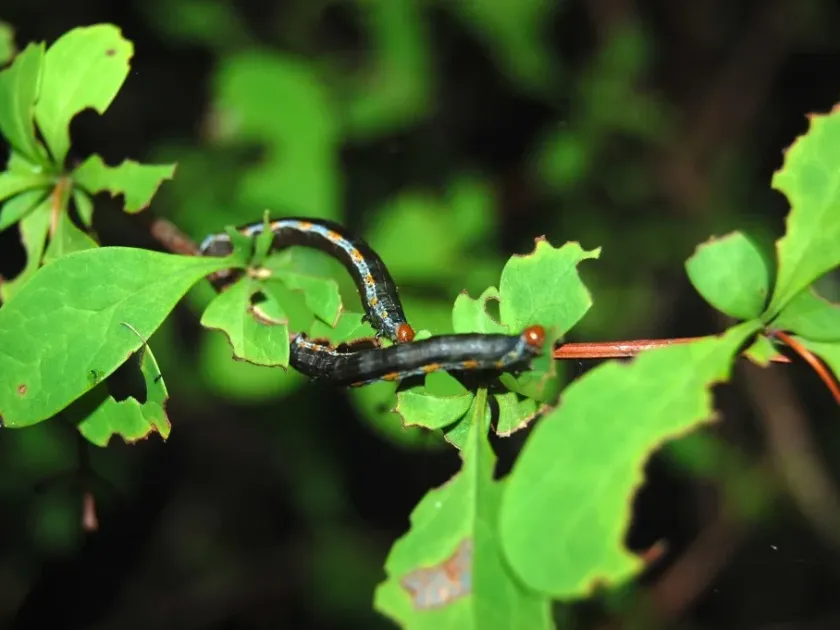
Description
How to identify
Coryphista (genus Coryphista) is a group of moths belonging to the family Geometridae. These insects are masters of camouflage, evolved to blend perfectly with the bark and foliage of their host plants.
Adult moths typically have a wingspan ranging from 30 to 40 mm. Their wing patterns consist of intricate grey and brown lines, mimicking the natural texture of tree bark or withered leaves.
The larvae, known as inchworms, possess the characteristic looping movement of the Geometridae family. Their coloration often matches the host plant, making them difficult to spot during daytime.
They overwinter primarily as pupae, either nestled in the soil or hidden within the leaf litter beneath the host plant, protected by a resilient silk cocoon.
The life cycle is closely synchronized with the host plant's phenology, ensuring that the emergence of larvae coincides with the availability of fresh, nutrient-rich leaves.
What it damages
The primary hosts for Coryphista are plants within the Berberidaceae family, most notably barberry (Berberis) and Oregon grape (Mahonia).
The larvae are voracious feeders that begin by grazing on the leaf margins and eventually skeletonize the entire leaf, leaving only the primary veins behind.
Heavy infestations can lead to significant defoliation, which severely hampers the plant's ability to photosynthesize and store energy for the following season.
Constant feeding activity weakens the bush, making it more susceptible to environmental stressors such as drought, frost, or opportunistic fungal diseases.
In ornamental settings, the aesthetic damage caused by large-scale defoliation significantly reduces the decorative value of the plantings.
When it appears
The seasonal activity typically begins in late spring, once the adults emerge from their overwintering pupal stage to mate and deposit eggs on tender new foliage.
Larval activity reaches its peak during late spring and early summer, correlating with the rapid growth of the host plant's leaf canopy.
Depending on the local climate and temperature gradients, the species may produce multiple generations throughout the growing season.
Pupation occurs during the summer months, with the duration of the pupal stage varying based on humidity and ambient temperature conditions.
By late autumn, the final generation of the season enters diapause as pupae, preparing to spend the winter in a dormant state until the following spring.
Signs of infestation
The initial signs of infestation are ragged leaf margins and irregular holes appearing throughout the foliage of the host bush.
Accumulation of frass (caterpillar droppings) on the ground or stuck to the foliage underneath the feeding site is a clear indicator of a pest presence.
Careful inspection of branches often reveals the larvae, which tend to remain motionless during the day, extending their bodies to mimic twigs.
In some cases, you may find thin, delicate webbing used by larvae to pull leaf edges together, creating protective shelters for themselves.
Increased transparency of the canopy and visible thinning of the leaves are common symptoms of an established and growing caterpillar population.
Control measures
Managing Coryphista requires an integrated approach that focuses on early detection and the use of environmentally friendly control methods.
Hand-picking larvae is a practical solution for smaller gardens or individual ornamental shrubs when the population density is still low.
The application of biological insecticides, such as those containing Bacillus thuringiensis, is highly effective against larvae without harming beneficial pollinators.
For severe infestations, systemic or contact insecticides may be necessary, but these should be applied in strict accordance with local safety regulations.
- Cultivating the soil around the base of bushes to disrupt overwintering pupae.
- Removing and destroying fallen leaves in autumn to reduce the pest reservoir.
- Encouraging natural predators such as birds and predatory beetles in the garden ecosystem.
Taxonomy
- Latin name
- Coryphista
- Order
- Lepidoptera (butterflies)
- Family
- Geometridae
- EPPO code
- CORSSP
Discussion
No discussions yet — be the first.