
Spiraea casebearer
Coleophora spiraeella
Description
How to identify
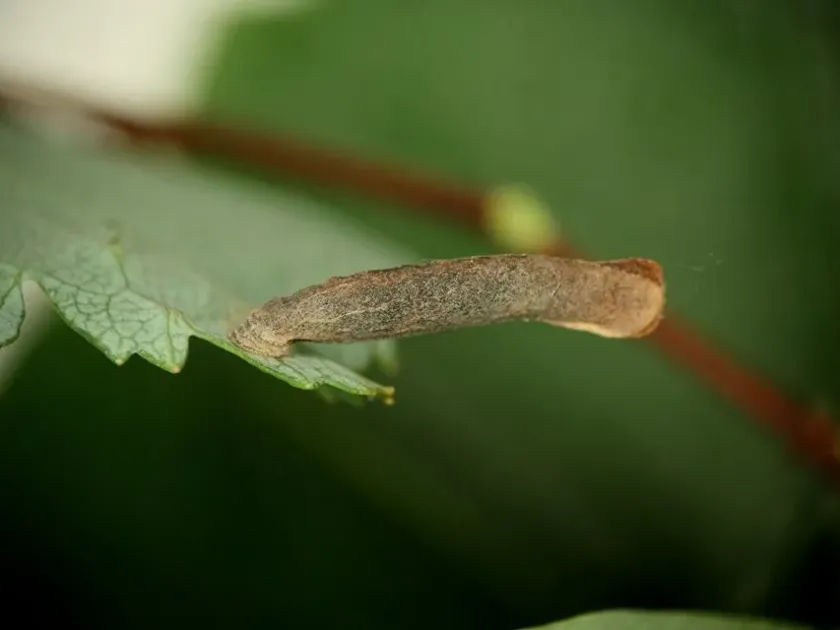
The Spiraea casebearer (Coleophora spiraeella) is a small moth belonging to the family Coleophoridae. It is recognized primarily by the unique, portable cases constructed by its larvae.
The adult moth is small and inconspicuous, with narrow, fringed wings typical of the Coleophoridae family. It is nocturnally active, making it difficult to detect during standard daytime garden inspections.
The life cycle consists of the egg, larva, pupa, and adult stages. The larval stage is the most significant from an agricultural perspective, as it is responsible for the damage to the host plant.
The insect typically produces one generation per year. Development starts in the spring when eggs are deposited on the foliage, and the cycle concludes with the moth stage later in the summer.
Overwintering occurs in the larval stage. The caterpillars attach their sturdy, curved cases to twigs or branches, using silk to secure them against winter conditions until temperatures rise in spring.
What it damages
As the name suggests, this pest specifically targets plants within the Spiraea genus. These shrubs are common in landscaping, making them highly susceptible to outbreaks if unchecked.
Larvae consume the leaf tissue, specifically the mesophyll, while staying protected inside their cases. This results in skeletonized leaves or small transparent patches where the internal tissue has been removed.
Severe infestations cause significant defoliation, which detracts from the ornamental value of the plants and stresses the shrub during the peak growing season.
Weakened plants show reduced growth rates and become more prone to secondary environmental stressors. In nursery settings, infestation can significantly delay the development of young stock.
The spread of this pest often occurs through the movement of infested ornamental plants, emphasizing the importance of nursery stock inspection before integration into landscapes.
Signs of infestation
The most visible sign of infestation is the presence of small, brownish cases attached to the underside of leaves or directly onto the stems and branches of the host plant.
Leaves often show characteristic clear "windows" or circular holes, which are the result of the caterpillar feeding from the safety of its case. Over time, these areas may turn brown and wither.
Silk threads may be present on the leaf surfaces, as the larvae use them to anchor their cases to the plant. This webbing can sometimes collect dust, making the cases appear even more camouflaged.
During late winter or early spring, the sedentary cases can be identified attached to twigs. A visual search of the wood can reveal a high population density before the new leaves emerge.
General yellowing or stunting of the plant canopy in mid-summer, combined with the presence of withered leaves, serves as a strong indicator of an active casebearer infestation.
Control measures
Sanitation is a primary cultural control method. Pruning and destroying heavily infested branches during the dormant season effectively eliminates overwintering larvae and reduces the spring population.
Chemical control is most effective when applied at the time of bud burst, targeting the young larvae as they resume feeding. Systemic insecticides are generally preferred to provide longer-lasting protection.
It is crucial to rotate chemical classes to prevent the development of resistance. Monitoring the timing of larval emergence is key to achieving optimal coverage and efficiency.
Biological control, such as the application of Bacillus thuringiensis, offers an environmentally friendly alternative suitable for residential settings and areas with strict chemical use limitations.
Maintaining plant vigor through appropriate irrigation and balanced fertilization helps the shrubs recover more efficiently from minor pest damage and improves their overall resistance to stress.
Taxonomy
- Latin name
- Coleophora spiraeella
- Order
- Lepidoptera (butterflies)
- Family
- Coleophoridae
- EPPO code
- COLESL
Discussion
No discussions yet — be the first.