
Sacramento casebearer moth
Coleophora sacramenta
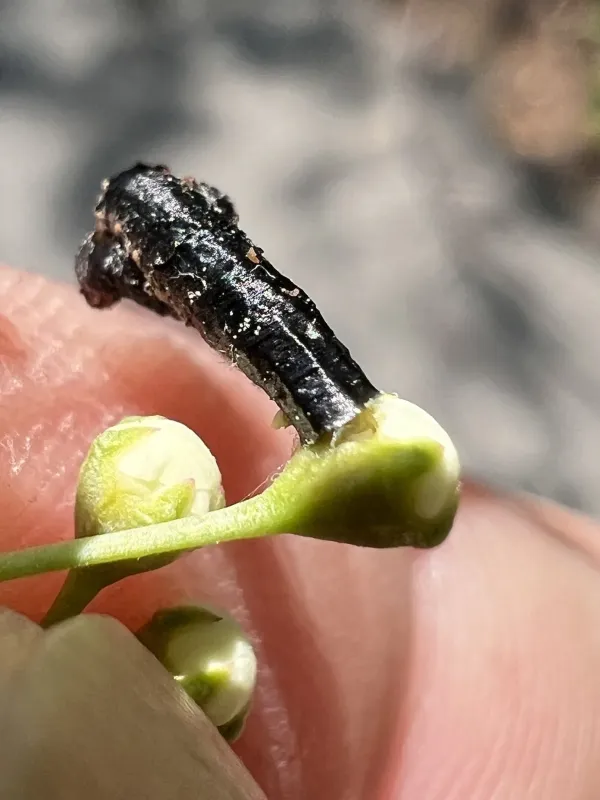
Description
How to identify
The Sacramento casebearer moth (Coleophora sacramenta) belongs to the order Lepidoptera and the family Coleophoridae. These moths are characterized by their narrow wings and specialized larval stage.
The most distinctive feature of this species is the larva, which constructs a portable case made of silk and plant debris. This case serves as both a home and a defensive mechanism against predators.
Adult moths are generally small, slender, and nocturnal, often remaining hidden in foliage during the day, making them difficult to spot without specialized monitoring.
The larvae are specialized leaf miners. They feed within the case they construct, attaching themselves to the host plant's surface to extract nutrients.
Taxonomically, this species is closely associated with specific regional plant hosts, which defines its geographic range and ecological niche.
What it damages
The larvae primarily feed on the foliage of deciduous trees and shrubs within their native range, causing localized damage to the leaf tissue.
By mining the internal tissue of the leaves, they create clear patches or "windows," which disrupts the plant's ability to photosynthesize effectively.
Heavy infestations can lead to premature leaf drop, which weakens the overall health of the tree and reduces its capacity for seasonal growth.
Young trees are particularly susceptible to damage, as extensive defoliation can stunt their growth and increase vulnerability to environmental stress.
Secondary infections, such as fungal or bacterial pathogens, often enter the plant through the wounds created by the feeding larvae.
When it appears
The life cycle of the moth is strictly timed with the growth cycle of its host plants, typically starting activity in early spring.
Larval activity peaks during the vigorous growth phase of the host plants, as the leaves are most suitable for feeding.
Pupation generally occurs during the summer months, leading to the emergence of adult moths shortly thereafter.
The adult flight period is typically short, focused on mating and egg-laying on the surfaces of fresh, healthy leaves.
Overwintering takes place in the larval stage, with the insects resting in their cases within crevices of the tree bark or near buds.
Signs of infestation
The presence of tiny, mobile cases attached to the undersides of leaves is the most reliable indicator of an infestation.
Symptoms include irregular, translucent blotches on the foliage where the larva has consumed the green tissue between the leaf surfaces.
Wilting of young terminal shoots and the accumulation of dark larval frass on leaves are also common signs of active feeding.
In cases of severe infestation, early yellowing and falling of leaves occur across the canopy of the affected tree.
Observations of small, slender moths flying in the vicinity of host plants during dusk may suggest a potential infestation cycle.
Control measures
Effective control involves the use of systemic insecticides that can reach the larvae protected within their cases during the active feeding season.
Pruning and disposing of heavily infested branches during the dormant season can significantly reduce the overwintering population of the moth.
Pheromone traps are highly effective for monitoring the flight timing of adult moths, allowing for precise and timely chemical applications.
Biological control methods, including the use of entomopathogenic bacteria like Bacillus thuringiensis, are suitable for sensitive garden environments.
- Regular inspection of host plants in early spring.
- Sanitary pruning to remove infested foliage and branches.
- Targeted insecticide treatments synchronized with larval emergence.
Taxonomy
- Latin name
- Coleophora sacramenta
- Order
- Lepidoptera (butterflies)
- Family
- Coleophoridae
- EPPO code
- COLESC
Discussion
No discussions yet — be the first.