
Sorrel case-bearer moth
Coleophora pennella
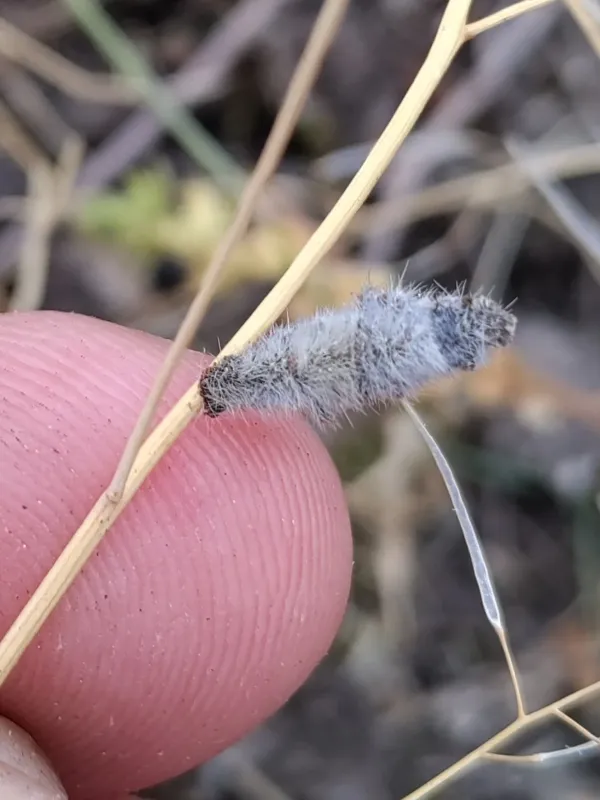
Description
How to identify
The sorrel case-bearer moth (Coleophora pennella) belongs to the Coleophoridae family within the order Lepidoptera. It is named for the distinctive portable cases that larvae construct from silk and plant materials to protect their bodies.
The adult moth is small and inconspicuous, featuring narrow wings adorned with fringes that help it blend into its natural habitat during the day.
The larval stage is the primary cause of plant damage. As the larva matures, it periodically expands or replaces its protective case to accommodate its growing size.
Systematically, this species is highly specialized, having adapted to feed primarily on members of the Polygonaceae (buckwheat) family, such as sorrel.
The life cycle involves complete metamorphosis: egg, larva, pupa, and adult. Hibernation typically occurs in the larval stage, protected within the case attached to plant debris or soil.
What it damages
The primary host plant for this species is sorrel (Rumex). However, it can also infest related wild plants within the buckwheat family found near crop fields.
The larvae feed by skeletonizing the leaves, specifically consuming the inner tissues while leaving the thin outer epidermis intact, creating a characteristic window-like appearance.
The damage reduces the photosynthetic area of the leaf and significantly diminishes the aesthetic and commercial quality of the harvested crop.
In cases of high infestation, the cumulative feeding activity can cause the leaves to wilt, turn brown, and eventually wither, reducing overall plant vigor.
The presence of larval cases and excrement on the foliage decreases the cleanliness and marketability of the sorrel leaves, making them unsuitable for consumption.
Signs of infestation
The most reliable sign of an infestation is the appearance of small, irregular transparent patches on the leaves where the interior tissue has been consumed.
Careful inspection of the leaf undersides reveals the presence of small, cone-shaped cases. These are the protective shelters the larvae use while feeding.
As damage progresses, these patches expand, turn brown, and may cause the affected parts of the leaf to curl, deform, or die off entirely.
High numbers of these small insects can cause noticeable yellowing or browning of entire leaf sections during the active growing season.
The presence of tiny holes where a larva has entered or exited the leaf tissue is another indicator of active feeding activity in the patch.
Control measures
Effective management begins with strict field hygiene, such as removing wild host weeds like dock or wild sorrel from the vicinity of the cultivation area.
Regular harvesting and mowing of the crop help disrupt the moth's life cycle by removing larvae before they can pupate into the next generation.
In home gardens, manual removal of the larvae in their cases is often sufficient to keep the population at a manageable level without using pesticides.
Biological control, including the use of microbial insecticides like Bacillus thuringiensis, offers an environmentally friendly way to suppress moth populations.
Chemical intervention should be considered a last resort for commercial producers, ensuring that only approved substances are used with strict adherence to pre-harvest intervals.
Taxonomy
- Latin name
- Coleophora pennella
- Order
- Lepidoptera (butterflies)
- Family
- Coleophoridae
- EPPO code
- COLEPE
Discussion
No discussions yet — be the first.