
Rose case-bearer
Coleophora gryphipennella
Description
How to identify
The Rose case-bearer (Coleophora gryphipennella) is a species of moth belonging to the Coleophoridae family. Adults are small, with a wingspan of about 10–12 mm, featuring slender, pointed wings. They typically exhibit a brownish or golden-grey coloration, which serves as camouflage.
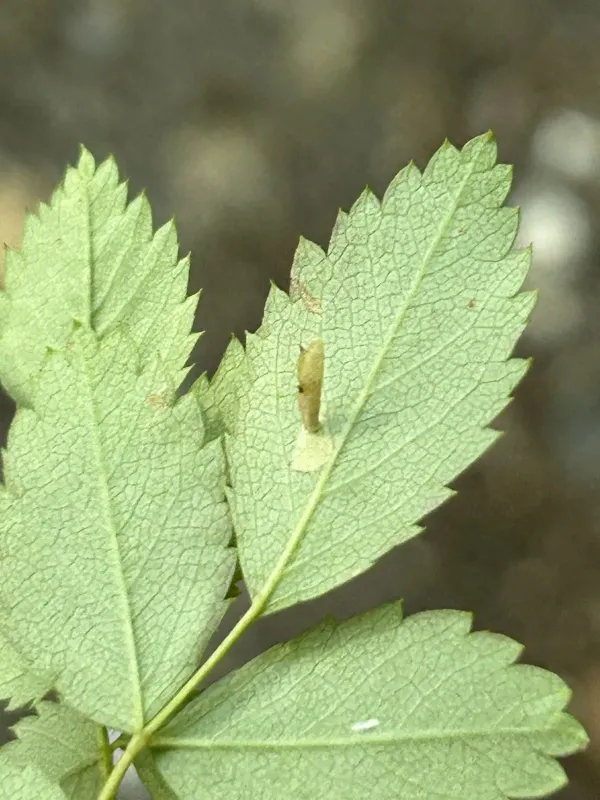
The species is best known for the behavior of its larvae, which construct protective portable cases out of plant tissue fragments. These cases provide a secure shelter throughout the larval developmental stage, making the insect well-protected against environmental hazards.
The lifecycle follows a standard transformation pattern: egg, larva, pupa, and adult. There is usually one generation per year. Identifying this pest at early stages is challenging due to the larvae's cryptic lifestyle and their ability to blend in with leaf debris.
Adult moths are primarily nocturnal and are rarely seen during the day. Monitoring is usually performed by inspecting leaves for specific signs of feeding or by looking for the small, mobile cases attached to the foliage surface.
Proper classification is essential, as there are many similar species within the Coleophora genus. Accurate identification ensures that appropriate management practices are selected to protect rose bushes and other host plants effectively.
What it damages
The primary hosts of the Rose case-bearer are members of the Rosaceae family. Garden roses are the most susceptible, although wild species of Rosa (briar) and occasionally other ornamental shrubs are also targeted.
Larvae feed by mining the leaf tissue, consuming the parenchyma layer while leaving the epidermis intact. This results in the formation of pale, translucent patches or "windows" that eventually dry out and tear, creating holes in the leaves.
In cases of high infestation, the pest can significantly diminish the aesthetic appeal of the rose bushes. The foliage becomes skeletonized, yellowish, and may drop prematurely, which reduces the plant's overall vigor and flowering potential.
Young buds and shoots are particularly vulnerable in early spring when larvae emerge from hibernation. Heavy feeding at this stage can stunt plant growth and reduce the number of blooms produced during the growing season.
For commercial rose growers, this pest can lead to economic losses by degrading the market quality of the flowers and plants. Systematic monitoring and timely intervention are necessary to mitigate the impact of this mining moth.
When it appears
The lifecycle is closely synchronized with the phenology of roses. Larvae overwinter in their cases, typically secured in bark crevices or near buds, where they remain dormant throughout the winter months until temperatures rise.
As spring begins and buds break, the overwintered larvae resume feeding. They migrate to the young leaves and expand their protective cases to accommodate their growth. This period is marked by the most active leaf mining.
The main feeding period occurs during late spring and early summer. Once the larvae complete their development, they pupate, often attaching their cases to the underside of leaves or onto stems for stability until they emerge as adults.
Adult flight occurs during the mid-summer period. Mating and egg-laying follow, with eggs being deposited on the host leaves. This ensures that the next generation is positioned for feeding before the onset of winter.
Late-summer larvae feed briefly before preparing for hibernation. This cycle ensures the survival of the species across different seasonal conditions, making it a persistent resident in rose-growing environments.
Signs of infestation
The most distinctive sign of infestation is the appearance of small, circular "windows" on the leaf surface. These are areas where the larva has eaten the leaf tissue from inside, leaving the upper or lower skin transparent.
The presence of mobile, debris-like structures on the leaves is a definitive indicator. These cases, which range from 3 to 8 mm in length, are easily mistaken for dead plant material, but they exhibit slow, deliberate movement when the larva is active.
Heavy infestations lead to a "shot-hole" appearance, where leaves are riddled with holes, causing overall chlorosis. This aesthetic damage is often the first thing gardeners notice when inspecting their plants.
- Translucent, circular windows on leaves.
- Small holes resulting from collapsed mines.
- Tiny, cone-shaped portable cases moving on leaves.
- Premature yellowing and leaf fall.
- Damage to young buds in early spring.
Tiny black fecal pellets near the feeding sites are also characteristic of case-bearer activity. Regularly checking the underside of leaves during the spring will help in identifying the presence of larvae before they cause widespread damage.
Control measures
Integrated Pest Management (IPM) is the most effective approach to control the Rose case-bearer. For small gardens, hand-picking the cases during the active feeding season in spring is a simple and effective control method.
Cultural practices include the thorough removal and destruction of fallen leaves in autumn, which helps eliminate overwintering sites. Cleaning old bark or debris from the stems of mature roses can also reduce the local population of the pest.
Chemical control may be necessary during severe outbreaks. Systemic insecticides are generally more effective than contact ones, as they penetrate the leaf tissue, ensuring the larvae are exposed to the poison despite their protective cases.
Treatments should be timed to coincide with the larval emergence in spring. Following the label instructions regarding dosage and frequency is crucial to minimize the impact on beneficial insects while effectively targeting the case-bearers.
Biological control methods involve encouraging the presence of natural predators, such as parasitic wasps, which specialize in attacking larvae within their cases. Maintaining a biodiverse garden environment helps keep the population of case-bearers in check naturally.
Taxonomy
- Latin name
- Coleophora gryphipennella
- Order
- Lepidoptera (butterflies)
- Family
- Coleophoridae
- EPPO code
- COLEGR
Discussion
No discussions yet — be the first.