
Chorosoma schillingi
Chorosoma schillingi
Description
How to identify
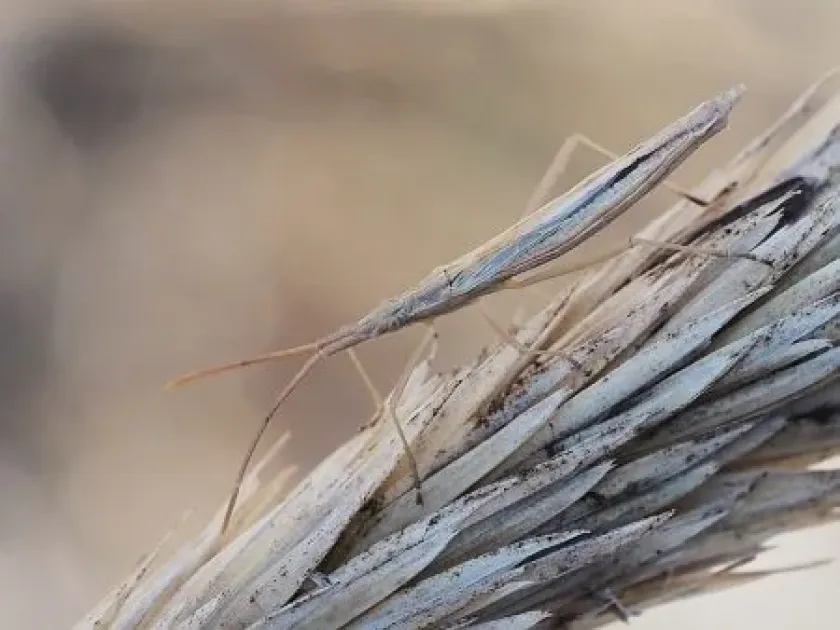
Chorosoma schillingi is a species of scentless plant bug in the family Rhopalidae. These insects are characterized by their elongated, slender body shape, which allows them to mimic the stalks of the grasses they inhabit.
Adult bugs typically reach 10–15 mm in length and exhibit a color range from light yellow to pale green. Their head is narrow and elongated, with long antennae and well-developed legs designed for climbing.
The species is widespread throughout Europe and parts of Asia, frequently found in dry, sunny habitats such as meadows, road verges, and agricultural fields.
Nymphs go through five developmental stages (instars) before reaching maturity, gradually developing wing pads and increasing in size.
These bugs are known for their ability to remain motionless for long periods, which, combined with their coloration, makes them difficult to detect during standard field surveys.
What it damages
This pest feeds on the sap of various grasses, including wild species and essential cereal crops such as wheat, barley, and oats.
Feeding occurs through the piercing-sucking mouthparts, which penetrate the plant tissues, leading to nutrient loss and local necrosis.
Damage is most severe during the critical growth phases of cereals, particularly when the crop is heading, as this impacts grain filling and overall yield quality.
Leaves and stems may show signs of yellowing or drying, and in severe infestations, the entire plant may appear stunted and weakened.
By consuming plant sap, the bugs can facilitate the ingress of secondary fungal pathogens through the feeding wounds created by their mouthparts.
When it appears
Chorosoma schillingi overwinters as an adult, seeking refuge in dry plant debris, forest litter, or sheltered areas at the edges of fields.
Emergence from overwintering sites occurs in early spring as temperatures rise, leading to the colonization of young grass and cereal seedlings.
The reproductive cycle typically begins in late spring, with eggs laid on the leaves of host plants, followed by the appearance of nymphs in early summer.
Development is temperature-dependent, with most adult activity peaking during the warm summer months of July and August.
As the days shorten and temperatures drop in autumn, the insects move toward their overwintering locations to survive the cold season.
Signs of infestation
Visual identification of an infestation includes finding pale, discolored spots on leaves where the bugs have been feeding.
The presence of the bugs themselves is the most reliable sign, often detected by sweeping vegetation with an entomological net during warm hours of the day.
In cases of heavy infestation, plants may exhibit significant leaf drying and a reduction in the density of the grain filling within the ears.
Farmers may notice a faint, characteristic odor produced by the bugs' scent glands when the foliage is disturbed.
Stunted growth or reduced height of cereal plants compared to unaffected areas can be a long-term indicator of significant feeding pressure.
Control measures
Integrated pest management begins with good cultural practices, specifically the elimination of host grasses and weeds like couch grass from field borders.
Tillage practices, such as deep plowing in the autumn, help to disturb overwintering sites, significantly reducing the survival rate of the adult population.
When the economic threshold of damage is exceeded, the application of insecticides (such as pyrethroids) is recommended to prevent excessive crop loss.
Encouraging natural predators, such as spiders, ground beetles, and parasitic wasps, can help maintain the bug population below damaging levels.
Regular monitoring of field edges using sweep-net sampling is essential for early detection and the timely application of control measures.
Taxonomy
- Latin name
- Chorosoma schillingi
- Order
- Hemiptera (bugs, aphids, leafhoppers)
- Family
- Rhopalidae
- EPPO code
- KHORSC
Discussion
No discussions yet — be the first.