
Chlorostrymon telea
Chlorostrymon telea
Description
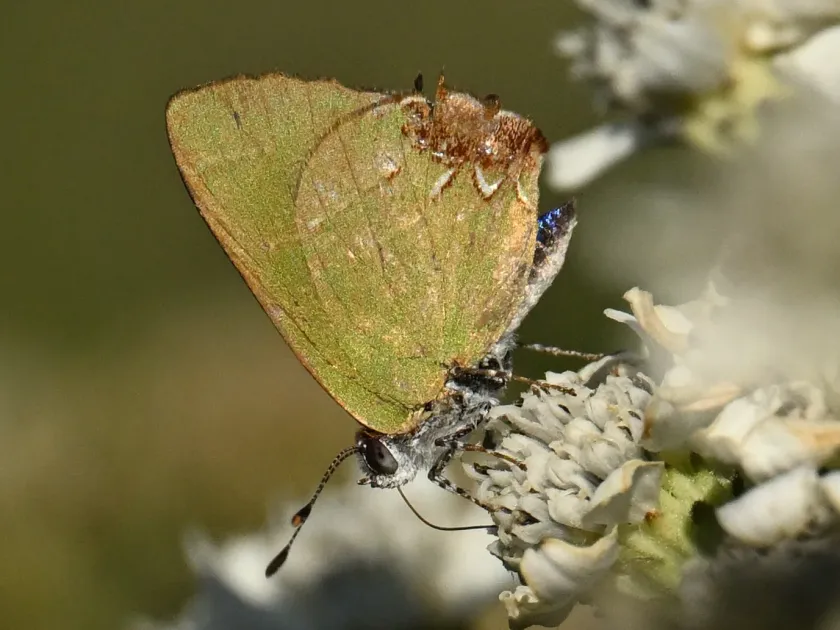
How to identify
Chlorostrymon telea is a butterfly species belonging to the Lycaenidae family, commonly known as hairstreaks. These butterflies are characterized by their relatively small size and specific wing patterns that provide excellent camouflage among leaves and stems.
The larvae, or caterpillars, are typically bright green, allowing them to blend seamlessly with the foliage of their host plants. This cryptic coloration is a defense mechanism that complicates the detection process for farmers and agricultural scouts during routine field inspections.
The life cycle follows a complete metamorphosis pattern: egg, larva, pupa, and adult. Each stage of development is highly sensitive to environmental factors like temperature and humidity, which dictate the speed of maturation and reproductive success of the population.
Adults are known for their preference for sunny habitats where they feed on flower nectar and seek mates. They are most active during the warmest hours of the day, which is the best time for visual observation and pest population monitoring in the field.
Identification can also be supported by capturing specimens in pheromone or light traps. Proper identification is crucial because other butterfly species in the Lycaenidae family may share similar morphological traits but have different host preferences.
What it damages
Chlorostrymon telea is primarily known for feeding on plants within the Fabaceae family. Its larvae pose a significant threat to various legume crops, including soybeans, beans, and lentils, causing damage that leads to yield losses.
The damage is mainly focused on the reproductive parts of the plant. Caterpillars consume buds and developing flowers, which prevents successful pollination and pod formation, directly reducing the total quantity of the future harvest.
Beyond the flowers, the larvae may also infest young pods. By boring into these pods, they destroy the developing seeds, compromising both the yield volume and the quality of the agricultural produce meant for harvest.
The mechanical damage caused by the feeding larvae creates entry points for secondary infections. Pathogenic fungi and bacteria often exploit these wounds, leading to further decay of the plant tissues and potential crop disease outbreaks.
Under favorable conditions, high populations of this pest can cause substantial economic disruption to commercial farms. Management strategies must prioritize early intervention to protect the critical stages of plant growth and pod development.
Control measures
Effective pest management for Chlorostrymon telea starts with consistent monitoring. By using visual checks and trap systems, growers can accurately assess the population density and determine if intervention is economically necessary.
Cultural control methods such as crop rotation and timely field sanitation are highly effective. Removing weeds from the surrounding areas that belong to the legume family reduces the alternative food sources available to the pest during the off-season.
Biological control options involve the use of insecticides based on Bacillus thuringiensis or other entomopathogens. These tools are preferred in integrated pest management programs as they effectively target larvae while minimizing impact on beneficial predatory insects.
Chemical control should be applied strictly as a last resort when the economic injury level is exceeded. Selecting selective insecticides that have a low impact on pollinators is essential to maintaining the overall balance of the local ecosystem.
Implementing a preventive strategy that involves maintaining healthy plant growth helps mitigate the damage caused by Chlorostrymon telea. Strong, well-nourished plants are generally more resilient to light pest pressure throughout the vegetative cycle.
Taxonomy
- Latin name
- Chlorostrymon telea
- Order
- Lepidoptera (butterflies)
- Family
- Lycaenidae
- EPPO code
- CHSTTE
Discussion
No discussions yet — be the first.