
Chlorophorus quinquefasciatus
Chlorophorus quinquefasciatus
Description
How to identify
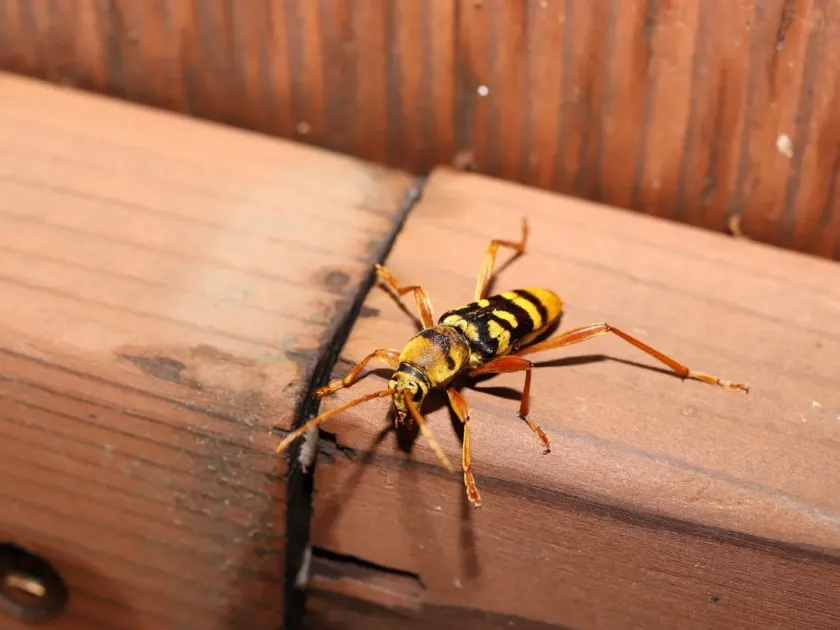
Chlorophorus quinquefasciatus is a species of longhorn beetle (family Cerambycidae) known for its distinctive appearance. Adult beetles typically measure 10–15 mm in length and feature a black body marked with five conspicuous yellow transverse stripes, from which the specific name originates.
The larvae are typical of the Cerambycidae family: legless, robust, and pale, with a well-developed head capsule and powerful mandibles capable of boring through dense wood. They spend their entire developmental period inside the host plant.
Adult beetles are diurnal and frequently seen feeding on nectar and pollen on various flowers, especially those of the Apiaceae family. This phase is crucial for their survival and reproductive success in the ecosystem.
Identification is based on the specific arrangement and number of yellow bands on the elytra. Careful observation is required to distinguish this species from other members of the genus Chlorophorus that inhabit the same geographical areas.
As a secondary pest, this beetle often targets weakened or stressed trees, making it a key indicator of tree health status in plantations and forest stands.
What it damages
The primary damage is caused by the larvae, which are wood-boring insects. They feed on the cambium and the inner wood of deciduous trees and shrubs, including various fruit-bearing species.
By creating intricate galleries within the wood, the larvae disrupt the vascular system of the host plant, effectively cutting off the flow of water and nutrients to the crown.
Stressed trees, or those with existing mechanical damage to the bark, are particularly susceptible. The boring process facilitates the entry of pathogens, leading to secondary fungal or bacterial infections.
Affected trees often show signs of decline, including stunted growth, dieback of individual branches, and reduced fruit production, eventually leading to mortality in severe cases.
The structural integrity of the infested wood is severely compromised, which can lead to branch breakage and long-term damage to the health and aesthetic value of the tree.
When it appears
The emergence and flight period of adult beetles generally occur in early summer, typically peaking in June and July, when temperatures are favorable for mating and colonization.
Females lay eggs in bark crevices or wounds on the trunks of host trees. The larvae hatch and begin boring immediately, spending one to two years developing within the host tissue.
The larvae continue to grow and feed throughout this period, gradually extending their tunnel system, which allows them to accumulate sufficient energy for pupation.
Pupation takes place in a specialized chamber prepared by the larva within the wood. After the transformation, the adult beetle emerges by chewing its way out, leaving a characteristic exit hole.
Weather patterns, particularly humidity and temperature levels, play a significant role in determining the speed of larval development and the success rate of the next generation.
Signs of infestation
The most visible sign of infestation is the presence of small, circular exit holes on the bark, created by the adults as they emerge from the wood.
Accumulation of "frass" or boring dust at the base of the tree or within bark cracks indicates active feeding by larvae inside the trunk or branches.
Wilting of foliage or premature yellowing and leaf drop in specific sections of the crown are critical signs that the vascular system has been compromised by borer activity.
Bark in the infested area may become soft, deformed, or start to slough off, frequently accompanied by sap bleeding or signs of secondary decay.
- Circular exit holes on the bark.
- Fine wood dust at the tree base.
- Dieback of branches or specific crown sections.
Control measures
Effective management begins with maintaining high tree vigor through proper irrigation, fertilization, and site management to prevent the trees from becoming susceptible to infestation.
Sanitary measures, including the removal and destruction of heavily infested trees or limbs, are essential to reduce the population density within an orchard or forest.
Chemical control, if necessary, should focus on protecting the trunks during the peak adult flight period, though this is difficult to time correctly for optimal results.
Monitoring using traps or visual inspections of bark integrity helps in early detection, allowing for targeted interventions before severe damage occurs to the vascular system.
Biological control efforts, including the use of natural predators or parasites, are potential strategies that need further research for large-scale application in integrated pest management.
Taxonomy
- Latin name
- Chlorophorus quinquefasciatus
- Order
- Coleoptera (beetles)
- Family
- Cerambycidae
- EPPO code
- CHLHQU
Discussion
No discussions yet — be the first.