
Chloroclystis testulata moth
Chloroclystis testulata
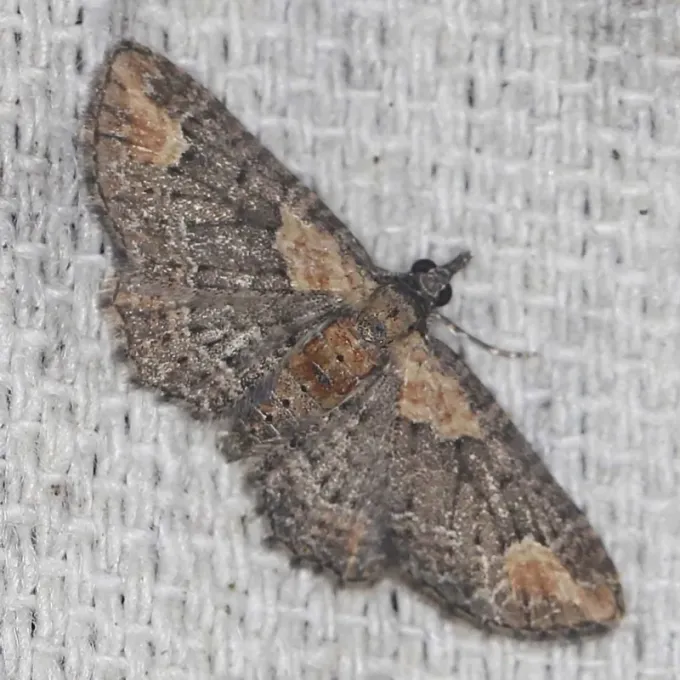
Description
How to identify
Chloroclystis testulata is a member of the Geometridae family, belonging to the order Lepidoptera, commonly known as a species of pug moth.
Adult moths are relatively small with cryptic coloration on their wings, allowing them to blend seamlessly into tree bark or foliage during the day.
The larvae, known as loopers, possess the distinct movement style typical of geometrids, where they arch their backs to bring the rear prolegs towards the front.
The life cycle undergoes complete metamorphosis, including egg, larval, pupal, and adult stages, each presenting different challenges for pest management.
Accurate identification is crucial for effective control, as larvae can often be mistaken for other leaf-eating insects found in domestic gardens and nurseries.
What it damages
The larvae are primary consumers of floral tissues, often feeding on developing buds, blossoms, and occasionally tender new leaves.
By consuming the internal parts of the buds, they prevent normal flowering, leading to deformed or non-existent blooms on the affected plants.
Repeated feeding damage can significantly stunt the growth of ornamental plants and reduce their commercial or aesthetic value.
Damaged buds are prone to secondary infections, such as grey mold or other fungal pathogens that enter through the feeding wounds created by the larvae.
In cases of heavy infestation, the cumulative loss of reproductive organs can severely weaken the plant and reduce its vigor for the following season.
When it appears
Adult moths typically emerge in the spring, coinciding with the onset of the plant growing season and the appearance of new floral buds.
The timing of the larvae's emergence is synchronized with the phenology of their host plants to ensure immediate access to high-quality food sources.
Depending on local climatic conditions, the insect may produce multiple generations throughout the warmer months of the year.
The pupal stage is the primary overwintering phase, with the insect remaining in the soil or protected debris until favorable temperatures return.
Monitoring should be most intensive during the pre-flowering and flowering stages of susceptible plant species to prevent significant population buildup.
Signs of infestation
Small entry holes in the outer petals or buds are the most reliable indicators of larval feeding activity within the plant.
Frass, or insect droppings, appearing as tiny black specks on leaves below the flower buds, indicates the presence of a feeding larva nearby.
Webbing that binds together parts of a bud or flower is a clear behavioral sign that a caterpillar is utilizing the plant for shelter and food.
A sudden decline in bud quality or premature abscission of buds often suggests that the interior tissue has been consumed by the pest.
Visual inspection during the early evening hours can reveal the larvae, which are typically more active and exposed while feeding at night.
Control measures
Implementing regular monitoring programs is the first line of defense to detect early infestation before it causes widespread damage.
Mechanical control, such as hand-picking caterpillars and pruning damaged buds, is highly effective for smaller gardens and localized infestations.
Biological control agents, including specialized bacterial sprays, offer a targeted approach that reduces larvae populations without harming beneficial insects.
Chemical intervention should be limited to instances where cultural and biological methods are insufficient, strictly following safety labels and regulations.
Maintaining good garden hygiene, including the removal of leaf litter and autumn soil cultivation, destroys pupal habitats and reduces the next year's pest pressure.
Taxonomy
- Latin name
- Chloroclystis testulata
- Order
- Lepidoptera (butterflies)
- Family
- Geometridae
- EPPO code
- CHLCTE
Discussion
No discussions yet — be the first.