
Chiasmia
Chiasmia
Description
How to identify
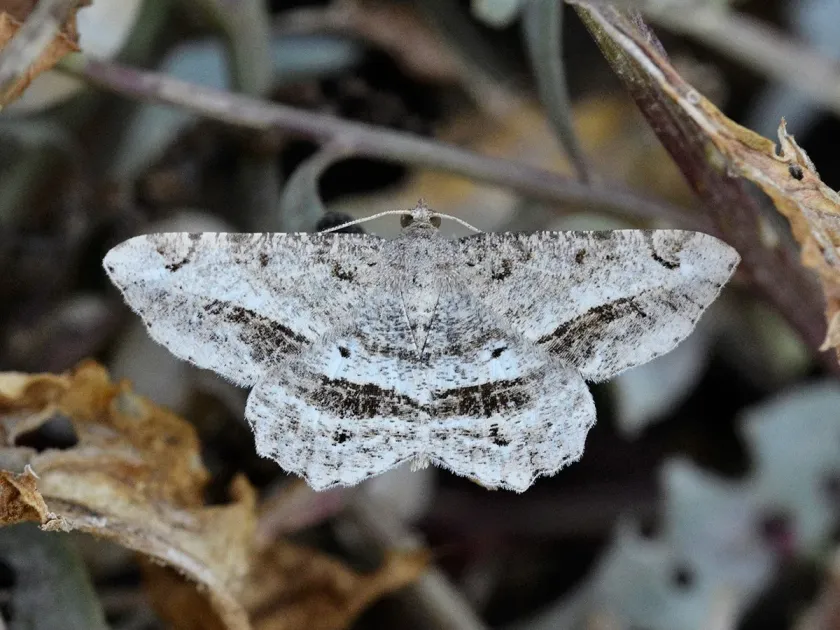
The genus Chiasmia belongs to the family Geometridae (inchworms). These moths are typically small, with wingspans often reaching around 30 mm, displaying cryptic coloration that mimics their natural environment.
The larvae, known as loopers or inchworms, have a characteristic movement pattern, utilizing their limited number of prolegs to propel themselves forward by looping their bodies.
Chiasmia pupae are frequently found in the soil or protected by leaf litter, which acts as a shelter for the insect during the dormant stages of its life cycle.
The total lifecycle depends heavily on local climatic factors; warmer weather conditions usually accelerate development, potentially leading to multiple generations per season.
These pests are well-adapted to various habitats, making them resilient and capable of thriving in diverse agricultural ecosystems globally.
What it damages
The primary damage is caused by the larval stage, which feeds on foliage, causing skeletonization or complete defoliation of the host plant's leaves.
Host plants include a variety of agricultural crops, ornamental plants, and shrubs, depending on the specific species of Chiasmia present in the region.
Heavy infestations reduce the plant's photosynthetic capacity, leading to weakened growth, stunted stems, and potential yield loss in horticultural and vegetable crops.
Feeding damage can also create entry points for secondary plant pathogens, such as fungal or bacterial infections, which can worsen the plant's overall condition.
In severe cases, if left uncontrolled, the pest can lead to the total stripping of foliage, which can cause branch dieback in sensitive shrub species.
Signs of infestation
The presence of irregular holes in leaves and skeletonized leaf veins are common indicators of larval feeding activity on the plants.
Larvae are masters of camouflage, often appearing as twigs or branches, so careful observation is required to identify them on host plants.
Accumulation of fecal pellets (frass) on the leaves or the ground directly beneath the plant is a reliable sign of active caterpillar presence.
Defoliated patches or thinning of the foliage canopy often occur as the larvae grow and increase their consumption rates during the later stages of development.
- Skeletonized leaves and missing foliage.
- Visible frass piles beneath host plants.
- Larvae mimicking twigs on stems.
- Reduced plant vigor and stunted development.
Control measures
Biological control methods, particularly the application of Bacillus thuringiensis, are highly effective against larvae while minimizing impacts on non-target beneficial insects.
Regular field scouting and the use of pheromone traps can help farmers monitor the arrival of adult moths, allowing for better-timed interventions.
Chemical control using approved insecticides is recommended only when infestation levels exceed economic thresholds, ensuring strict adherence to label guidelines.
Cultural practices, including proper weed management and soil cultivation, are essential to disrupt the pupal stage and reduce the overall pest pressure in the field.
Encouraging the presence of natural predators, such as birds and parasitic wasps, can provide a sustainable way to keep Chiasmia populations at manageable levels.
Taxonomy
- Latin name
- Chiasmia
- Order
- Lepidoptera (butterflies)
- Family
- Geometridae
- EPPO code
- CHSMSP
Discussion
No discussions yet — be the first.