
Chazara briseis
Chazara briseis
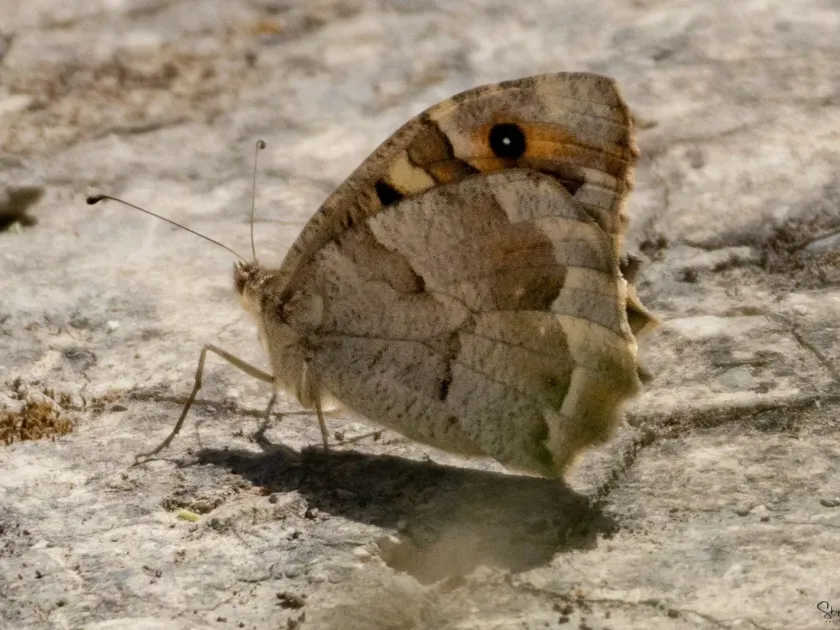
Description
How to identify
Chazara briseis, commonly known as the Briseis butterfly, is a species of butterfly in the family Nymphalidae. The adults are known for their dark brown wings with white bands, providing excellent camouflage.
The larvae are typically brownish or greyish with darker stripes, which mimics the appearance of dried grass stems, allowing them to remain undetected during the day.
The life cycle of this insect involves complete metamorphosis: egg, larva, pupa, and adult. The overwintering stage usually occurs during the larval phase in the base of grasses.
Adults are active during the summer months, typically between June and September, depending on the climatic conditions of the region they inhabit.
The species is highly adaptable, inhabiting arid grasslands, rocky areas, and sometimes agricultural field margins, which brings them into contact with various crops.
What it damages
The damage is primarily caused by the larvae, which feed on the foliage of grasses. This feeding can lead to significant defoliation of the host plants.
While often associated with wild grasses, the larvae can migrate to adjacent cereal crops, causing damage during the early stages of plant development.
The reduction of the photosynthetic surface area directly impacts the plant's ability to produce biomass, leading to reduced yields at the end of the season.
Larval feeding creates lesions on the leaf tissue, which can stress the plant and make it more susceptible to secondary environmental or biological threats.
Monitoring for signs of damage is essential, as the larvae are nocturnal and often hidden in the soil or leaf litter during daylight hours.
Control measures
Effective management begins with strict weed control, as maintaining clean field margins eliminates potential breeding grounds for the insect population.
Tillage practices, such as deep plowing after harvest, can disrupt the lifecycle of the pest by exposing pupae and larvae to mechanical damage and avian predators.
In cases where pest populations exceed economic thresholds, the application of targeted insecticides during the early larval stages is recommended for control.
Encouraging natural predators, such as parasitoid wasps and birds, serves as a sustainable biological control method within the agricultural ecosystem.
Integrated pest management (IPM) programs, involving regular scouting and the use of pheromone traps, can help manage potential infestations before they escalate.
Taxonomy
- Latin name
- Chazara briseis
- Order
- Lepidoptera (butterflies)
- Family
- Nymphalidae
- EPPO code
- CHAZBR
Discussion
No discussions yet — be the first.