
Chazara
Chazara
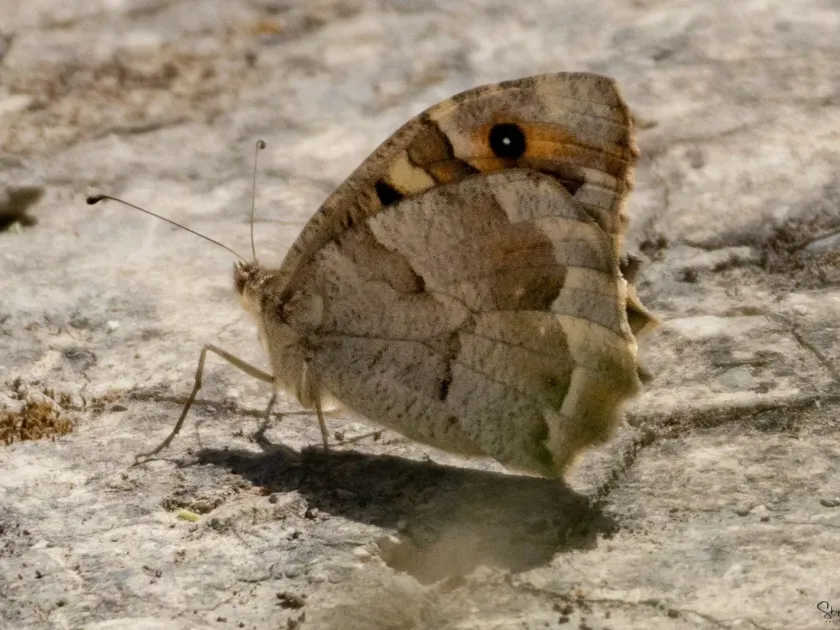
Description
How to identify
Chazara is a genus of butterflies within the family Nymphalidae and the subfamily Satyrinae. These insects are known for their cryptic coloration, typically shades of brown and grey, which enables them to blend seamlessly with dry vegetation and stony soil.
The adults are characterized by their size and dense scales on their wings, featuring intricate patterns that serve as camouflage. These features make them difficult to spot in open fields, which is a common habitat for the species.
The larvae (caterpillars) of Chazara typically possess longitudinal stripes, providing effective concealment among the stalks of grasses. They are primarily nocturnal, spending daylight hours hidden within the dense vegetation or base of the plants.
The life cycle follows a complete metamorphosis pattern. Larvae undergo several instars, increasing in size as they consume vegetation, before entering the pupal stage, which often occurs in the soil or protected leaf litter.
Accurate species identification usually requires examining the wing venation patterns and the specific coloration of the underside of the wings, as many satyrid butterflies share a similar phenotypic appearance in the field.
What it damages
The primary hosts of Chazara larvae are plants from the Poaceae family. While they often subsist on wild grasses, they can become significant pests when they migrate to nearby cereal crops or pastures.
Damage is caused by larvae feeding on leaves and stems. Intense grazing can significantly reduce the photosynthetic surface of the plant, leading to stunted growth and, in severe cases, death of the plant seedlings.
Beyond direct feeding damage, the wounds created by the larvae provide entry points for secondary pathogens, such as fungal infections and bacteria, which can exacerbate crop health decline.
The economic impact of this pest is most pronounced in arid or semi-arid agricultural regions, where the growth of secondary vegetation is limited and pests are forced to concentrate on cultivated cereal fields.
High larval density can lead to uniform defoliation in specific patches, significantly reducing the vigor of the affected crops and potentially impacting overall yields if the infestation is not managed early.
When it appears
The developmental cycle of Chazara is typically univoltine, meaning there is one generation per year. Adults usually emerge in the early to mid-summer, depending on regional climatic conditions.
Winter is spent in the larval or pupal stage, hibernating in the soil or under organic debris. This dormancy allows the species to survive harsh winter temperatures and re-emerge as soon as favorable conditions return.
Spring activity coincides with the beginning of the grass growing season. Larvae exit their hibernation state to feed on emerging succulent grasses, which are essential for their rapid development prior to pupation.
The duration of the larval stage is highly dependent on ambient temperatures and food quality. Extreme heat or drought can lead to slower developmental rates due to the scarcity of high-quality green matter.
By late spring or early summer, the larvae pupate. After the completion of metamorphosis, the emerging adults mate and lay eggs on suitable host plants to ensure the survival of the next overwintering generation.
Control measures
Effective management begins with strict field sanitation. Removing wild grasses and weeds around field borders significantly reduces the available habitat and food source for larvae, limiting their population growth.
Deep autumn plowing is a highly effective control measure. It disrupts the overwintering pupae and larvae, exposing them to predators and unfavorable environmental conditions, which leads to higher mortality rates.
Biological control options, such as using preparations containing Bacillus thuringiensis, are effective against early-instar larvae and represent an environmentally sustainable alternative to broad-spectrum chemical pesticides.
Chemical intervention should be reserved for scenarios where population levels exceed established economic thresholds. Targeted insecticide applications should be timed to coincide with the most vulnerable larval stages.
Ongoing monitoring of adult butterfly populations using light or pheromone traps can provide early warnings, allowing agronomists to implement control measures before significant crop damage occurs.
Taxonomy
- Latin name
- Chazara
- Order
- Lepidoptera (butterflies)
- Family
- Nymphalidae
- EPPO code
- CHAZSP
Discussion
No discussions yet — be the first.