
Soldier beetle
Chauliognathus
Description
How to identify
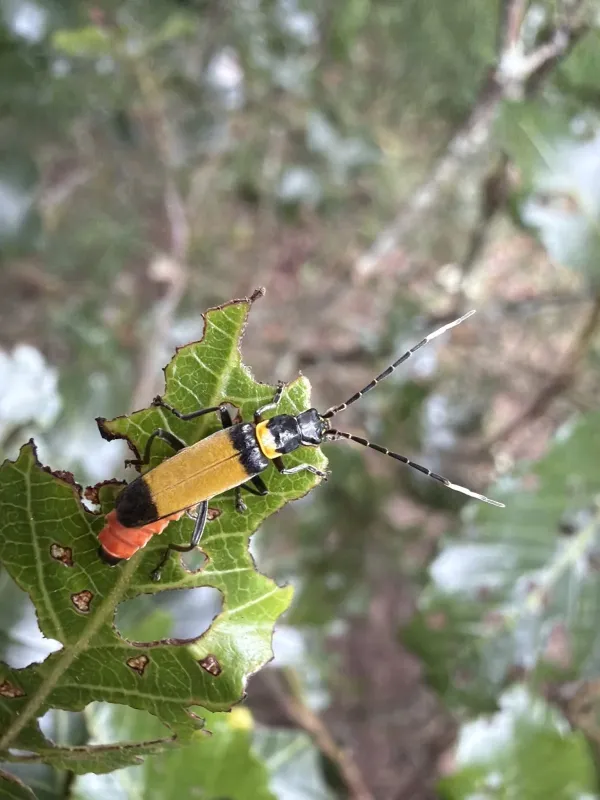
Soldier beetles of the family Cantharidae are characterized by their elongated, soft bodies and flexible wing covers. Adult Chauliognathus often display vibrant warning colors, typically yellow or orange with black markings.
The head is prominent, and the antennae consist of 11 segments, which is a key identifying trait for this genus. Their bodies are notably softer compared to other beetle species, earning them the common name.
Larvae have a worm-like appearance and are covered in dense hairs. They live primarily in soil or under plant debris, where they move through the leaf litter.
They possess strong, well-developed mandibles, which allow them to act as predators, though they may occasionally feed on tender plant tissues when prey is scarce.
While often considered beneficial, their life cycle and feeding habits can lead to problems in intensive agricultural settings when populations spike.
What it damages
Although soldier beetles are frequently viewed as beneficial entomophages, high concentrations of Chauliognathus can cause damage to sensitive agricultural crops, particularly during the flowering stage.
Adult beetles primarily damage blossoms by consuming petals, anthers, and stigmas, which interferes with pollination and reduces the fruit set on various trees and shrubs.
Larvae, residing in the soil, have been reported to nibble on the roots of young seedlings, potentially causing stunted growth and increasing susceptibility to soil-borne diseases.
This root damage is often subtle and difficult to detect until the plant begins to show significant signs of decline or yellowing of the foliage.
A wide range of crops, including berries, vegetables, and ornamental flowers, can be targeted by these beetles during the critical phases of their development.
When it appears
The activity of adult Chauliognathus typically coincides with the peak flowering period of many crops, usually occurring from late spring through early summer.
The life cycle is heavily influenced by soil moisture and temperature, which dictate the developmental speed of the larvae buried in the substrate.
Soldier beetles overwinter as larvae in the soil or within protective organic layers. They emerge and become active as temperatures rise during the spring months.
Pupation occurs within subterranean chambers, leading to the emergence of adults that seek food and mates on the surface of host plants.
Field scouting should be prioritized during the early morning or late evening when the beetles are most visible and active on the foliage and blossoms.
Signs of infestation
The most evident sign of a soldier beetle infestation is the presence of ragged or missing petals and damaged flower heads on ornamental and fruit-bearing plants.
Observing groups of adult beetles gathered on flower clusters is a clear indicator of their presence and active feeding behavior in the field.
If excavation of the soil reveals the presence of hairy, worm-like larvae, it suggests a high population density that may threaten the root systems of young crops.
Unexpected flower drop or a decline in fruit yield without clear viral or fungal causes can sometimes be linked to heavy beetle feeding during the blossoming phase.
Secondary infections often appear at the sites of larval damage, such as dark spots or necrotic tissues, which may spread if not properly managed.
Control measures
Effective management begins with good agronomic practices, such as routine soil cultivation and maintaining fields free of unnecessary weeds and debris.
Manual removal of adult beetles is a practical and safe solution for smaller gardens or greenhouse operations to keep populations below the economic threshold.
If insecticide application becomes necessary, choose products that target the specific pest while minimizing harm to essential pollinators like honeybees.
Encouraging natural predators, such as birds and beneficial insects, provides a sustainable way to keep soldier beetle numbers in check naturally.
Thorough cleanup of plant residues at the end of the season is crucial, as it destroys the overwintering sites for larvae and disrupts their life cycle for the following year.
Taxonomy
- Latin name
- Chauliognathus
- Order
- Coleoptera (beetles)
- Family
- Cantharidae
- EPPO code
- CHAHSP
Discussion
No discussions yet — be the first.