
Chaitophorus
Chaitophorus
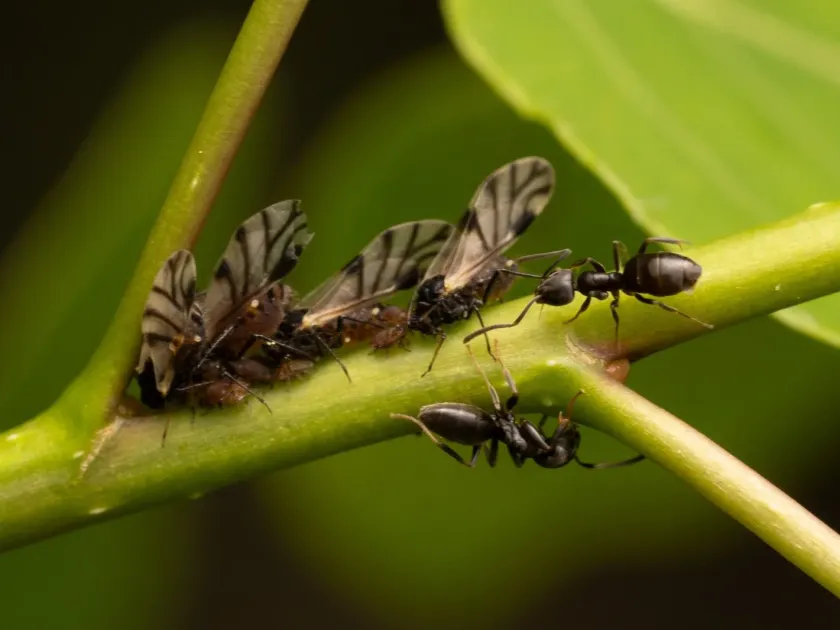
Description
How to identify
Chaitophorus is a genus of aphids belonging to the family Aphididae, characterized by their dense covering of fine, long hairs on the body.
These insects are typically small, with a body shape that can range from globular to slightly elongated, depending on the specific developmental stage.
The coloration of these aphids often matches the bark or leaves of the host tree, serving as a camouflage against predators.
They possess short cornicles and are known for forming gregarious colonies, where hundreds of individuals congregate on specific parts of the plant.
Expert identification often requires a microscopic examination of the hair distribution patterns and the morphology of the cauda on the posterior of the abdomen.
What it damages
Chaitophorus species are specialized feeders that primarily infest trees within the Salicaceae family, particularly Salix (willow) and Populus (poplar) species.
By inserting their stylets into the phloem, they extract vital plant sap, which causes stunted growth and loss of vigor in the infested branches.
The constant feeding activity leads to leaf curling, premature yellowing, and eventual shedding of the foliage, which negatively impacts tree health.
The honeydew produced by the aphids acts as a substrate for sooty mold fungi, which coat the leaves and stems in a black, unsightly layer.
Heavy infestations can significantly weaken younger trees, making them susceptible to frost damage and various environmental stressors during the winter months.
When it appears
The life cycle is synchronized with the phenology of the host trees, beginning with the hatching of nymphs from overwintering eggs in early spring.
As temperatures rise, the aphid population expands rapidly through successive generations of asexual reproduction.
Winged forms (alatae) typically appear in late spring or summer, facilitating the colonization of new hosts through wind-assisted dispersal.
During peak summer heat, the rate of development may fluctuate, but the populations often remain robust if host plant nutrition is sufficient.
In autumn, as days shorten, sexual individuals appear to mate and lay the eggs that will endure the cold winter until the following season.
Signs of infestation
The most obvious sign of infestation is the presence of aphid clusters concentrated on the undersides of leaves or along young, tender green shoots.
Leaves may show signs of yellowing or necrotic spots where the aphids have been feeding for an extended period.
The presence of ants is a strong indicator of aphid activity, as they farm the aphids to collect the nutrient-rich honeydew secretions.
The black sooty mold covering the surface of leaves and branches is a clear diagnostic feature of a heavy and long-standing aphid colony.
- Curled and deformed leaves.
- Sticky, sugary residue on stems.
- High ant traffic on trunks and branches.
- Reduced growth of the current season's shoots.
Control measures
Cultural control involves monitoring the trees during the bud break period and pruning out heavily infested shoots to reduce initial population density.
Biological control is highly effective when populations of natural predators like lady beetles, lacewings, and hoverflies are conserved in the area.
If chemical intervention is required, systemic insecticides applied to the foliage or soil can provide long-term protection by rendering the sap toxic.
Applications should be timed to coincide with the early stages of infestation before the aphids cause irreversible damage or hide within curled leaves.
Always practice integrated pest management (IPM) to minimize the impact on non-target beneficial insects while effectively controlling the pest population.
Taxonomy
- Latin name
- Chaitophorus
- Order
- Hemiptera (bugs, aphids, leafhoppers)
- Family
- Chaitophoridae
- EPPO code
- CHAISP
Discussion
No discussions yet — be the first.