
Catochrysops
Catochrysops
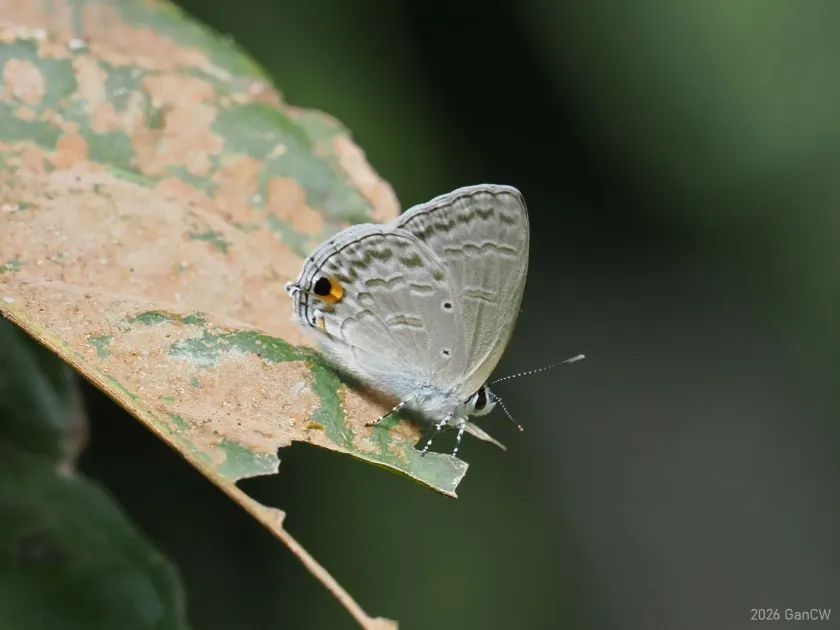
Description
How to identify
Catochrysops is a genus of butterflies belonging to the Lycaenidae family (the blues). They are typically found in tropical and subtropical regions where legumes are grown.
Adult butterflies exhibit metallic wing patterns typical of the Polyommatinae subfamily. Their physical structure is optimized for short, rapid flight during sunny periods.
The larvae (caterpillars) are specialized feeders that inhabit the interior of plant fruits. A distinctive biological feature is their facultative symbiosis with ants, which offers protection against parasitoids.
Their life cycle involves complete metamorphosis, moving through egg, larval, pupal, and adult stages. The duration of each stage is highly dependent on ambient temperature and host plant quality.
Precise identification of the species relies on examining the morphological traits of the larvae, as they are the stage that causes significant agricultural damage.
What it damages
Catochrysops primarily targets the Fabaceae family. Key crops affected include peas, beans, cowpeas, and various other pulse crops critical for agriculture.
The larvae feed mainly on the reproductive parts of the plant. By penetrating young pods and ovaries, they consume developing seeds, leading to immediate yield reduction.
The internal damage caused by larvae renders the seeds unsuitable for market or for use as future planting stock. Furthermore, such damage leaves the pods vulnerable to secondary fungal and bacterial decay.
Heavy infestations can result in the loss of a significant percentage of the harvest. This makes them a pest of economic importance in affected regions.
Damage symptoms often involve premature yellowing of pods and excessive flower or pod drop, which complicates the harvesting process and reduces overall seed quality.
When it appears
Peak activity generally coincides with the flowering and pod-filling stages of legume crops. In warm climates, the insect may complete multiple overlapping generations per season.
Adult butterflies are most active during the peak flowering time, which provides an ideal environment for oviposition on buds and young pods.
Temperature serves as a primary driver for the population growth of these butterflies. Monitoring programs should be intensified during warm, humid weather windows.
Pupation frequently occurs in the soil or within dry plant debris, allowing the insect to survive periods where food sources are unavailable.
Effective monitoring involves using light traps or pheromone lures to detect adult presence, providing a warning for potential larval outbreaks on the crop.
Signs of infestation
One of the earliest signs of infestation is the presence of tiny entry holes on the exterior of the pods. These are often surrounded by frass (larval waste).
Stunted development or irregular pod shapes are strong indicators of larval feeding inside. Opening a damaged pod typically reveals the larva and partially consumed seeds.
Because the plant often shows no external signs of distress until the damage is advanced, systematic inspections of pods are necessary for early detection.
Monitoring the presence of adults at the field margins during the flowering phase is a critical step for preventing widespread crop damage.
- Small entry holes in pods.
- Visible frass or boring dust on pod surfaces.
- Premature pod drop or wilting.
Control measures
Management of Catochrysops requires an integrated pest management (IPM) approach. This combines cultural practices with targeted insecticide applications.
Cultural practices such as deep plowing after harvest help destroy pupae overwintering in the soil. Proper weed management is also essential to eliminate alternative host plants.
Crop rotation remains the most effective long-term strategy for suppressing local populations. Avoid planting legumes in the same field for consecutive seasons.
Chemical control should be timed to target adult butterflies before egg-laying, or newly hatched larvae before they bore into the protective tissue of the pods.
Biological control agents, including specialized microbial formulations like Bacillus thuringiensis, offer a viable alternative for sustainable field management.
Taxonomy
- Latin name
- Catochrysops
- Order
- Lepidoptera (butterflies)
- Family
- Lycaenidae
- EPPO code
- CATOSP
Discussion
No discussions yet — be the first.