
Cantharis pellucida
Cantharis pellucida
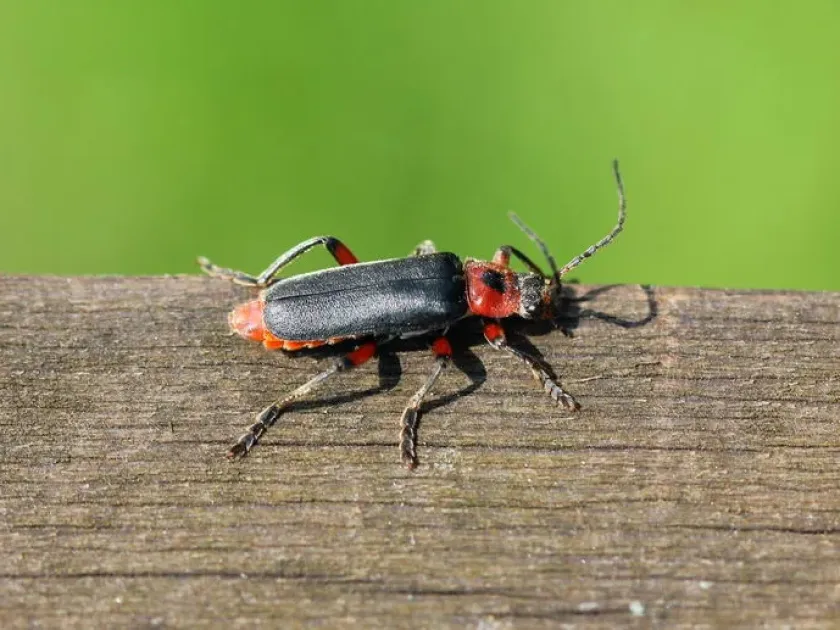
Description
How to identify
Cantharis pellucida, commonly known as a soldier beetle, belongs to the Cantharidae family. The adult beetle features an elongated body, typically measuring 10–12 mm in length, with yellowish-brown elytra and a distinct dark spot on the pronotum.
The name "soldier beetle" comes from their soft, leathery elytra, which distinguish them from many other beetle families. They possess well-developed eyes and antennae, essential for navigating and finding mates during the active summer season.
The larvae are notably dark, often appearing black, and are covered in a dense layer of short, velvety hairs. They lead a cryptic life, predominantly dwelling in the topsoil or under organic debris.
The life cycle undergoes complete metamorphosis, including egg, larva, pupa, and adult stages. Larvae typically overwinter in the soil, providing them with thermal protection against freezing winter temperatures.
While often considered beneficial due to their predatory nature, adults can become problematic for gardeners and farmers when they congregate in large numbers on delicate floral organs.
What it damages
The soldier beetle Cantharis pellucida primarily impacts floral, fruit, and berry crops. Adult beetles forage on pollen and nectar but frequently damage petals and pistils while feeding.
In orchards, they are often found on apple, cherry, and raspberry blossoms. Feeding damage to these reproductive parts can hinder pollination and result in reduced fruit set and lower overall yields.
Conversely, the larvae are active predators, consuming aphids, slug eggs, and small caterpillars, which contributes to natural pest management. However, in the absence of prey, they may occasionally graze on young plant roots.
Plants damaged by adults often exhibit necrotic tissues, which can serve as entry points for secondary fungal infections. This is particularly problematic in humid conditions where spores spread easily.
Monitoring the intensity of adult presence during the flowering stage is critical for assessing the potential economic impact on the current harvest season.
When it appears
Adult activity of Cantharis pellucida begins with the arrival of warm weather, typically in May, and continues through late June.
Peak concentrations usually occur during the synchronization of orchard flowering, as the abundance of pollen attracts large numbers of beetles to open fields and garden plots.
The larval stage remains active throughout the growing season, hunting for prey in the soil layers, before descending deeper to enter diapause in preparation for winter.
The short lifespan of the adult stage limits the window of potential damage, but high population density during this peak can lead to rapid crop injury if left unchecked.
Timely identification during late spring allows agricultural managers to determine whether control measures are necessary to protect sensitive floral crops.
Signs of infestation
The primary sign of infestation is the visual observation of beetles resting in groups on blossoms or crawling across the foliage of garden plants.
Damage symptoms include ragged edges on petals, distinct puncture marks, and premature browning of floral organs, leading to the eventual withering of the flower bud.
A simple field test, such as shaking tree branches, will reveal the presence of the beetles as they fly off in response to the disturbance, indicating high local population densities.
Finding dark, hairy larvae within the soil or mulch layer is a strong indicator of a localized population that will likely emerge as adults in the following cycle.
Distinguishing soldier beetle damage from other pests, such as weevils or blossom beetles, is essential for selecting the correct management strategy.
Control measures
Chemical control is generally reserved for situations where beetle populations reach levels that threaten a significant portion of the harvest yield.
Pyrethroid-based insecticides are effective at reducing adult populations, although their application must be carefully timed to avoid harming pollinators and other beneficial insects.
Preventive management includes regular garden sanitation, such as removing debris and weeds, which eliminates the hiding spots that larvae use during their development and overwintering.
Encouraging natural biodiversity helps keep soldier beetle populations in check, as their predatory larvae are naturally integrated into the ecosystem.
- Hand-picking beetles from flower heads during early morning hours.
- Using sticky traps placed near vulnerable orchard trees.
- Cultivating the soil in autumn to disrupt larval development and wintering sites.
Taxonomy
- Latin name
- Cantharis pellucida
- Order
- Coleoptera (beetles)
- Family
- Cantharidae
- EPPO code
- CANTPE
Discussion
No discussions yet — be the first.