
Calothysanis
Calothysanis
Description
How to identify
The genus Calothysanis belongs to the Geometridae family, which are commonly known as geometer moths or loopers due to their larvae's unique locomotion.
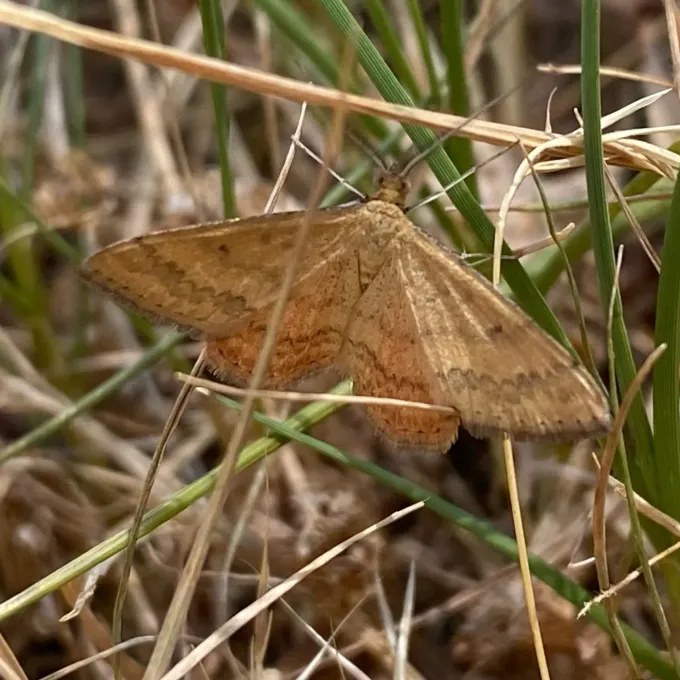
Adult moths are characterized by slender bodies and relatively broad wings, often featuring cryptic patterns that provide excellent camouflage against foliage or bark.
The larvae, or caterpillars, have a reduced number of prolegs, forcing them to move by looping their bodies, which is a definitive diagnostic feature for the family.
Accurate species identification within this genus often requires specialized entomological expertise, as adults can exhibit significant color and pattern variations.
These insects are typically found in moist and wooded environments, which helps in anticipating their presence in agricultural areas near forest edges.
What it damages
The Calothysanis larvae feed primarily on the foliage of a variety of plants, causing significant defoliation when populations are high.
The primary damage consists of skeletonized leaves or large, irregular holes chewed into the leaf blades, which disrupts the plant's photosynthetic efficiency.
Severe infestations can lead to stunted growth, reduced vigor, and in extreme cases, the total failure of the affected crop or plant tissue.
Young shoots and developing buds are also susceptible to feeding, which may cause structural deformation and poor yield quality.
By consuming leaf tissue, these pests weaken the plant's overall defense mechanisms, making it more prone to secondary infections and environmental stress.
When it appears
The life cycle of these moths usually begins in late spring, with adult activity peaking as temperatures rise consistently across the region.
The development cycle is holometabolous, progressing through egg, larval, pupal, and adult stages, with the duration of each stage heavily dependent on climate.
Overwintering typically occurs in the pupal stage, with the insects remaining dormant in the soil or protected leaf litter until the following season.
The number of generations per year depends on the local climate and species, ranging from a single annual cycle to multiple overlapping generations.
Scouting should be intensified during the spring and early summer months to detect larvae while they are still in early development stages.
Signs of infestation
The most visible sign of infestation is the presence of irregular leaf margins and holes, indicating active feeding by the caterpillars.
Fecal pellets (frass) left behind on leaves or hanging from silk threads are strong indicators of a nearby or active caterpillar population.
Larvae are expert at mimicry and can be difficult to spot; look for motionless caterpillars that resemble small twigs or stems on the undersides of leaves.
Some species may tie leaves together with silken webs, creating a sheltered environment that protects them from predators and environmental exposure.
Yellowing, necrosis, or premature wilting of leaves are secondary symptoms that suggest high levels of damage that need immediate attention.
Control measures
Cultural control is a cornerstone of management, with deep tillage of soil being an effective way to disrupt the pupation cycle of the moths.
Weed management is crucial, as many wild plants serve as alternative hosts, allowing populations to build up before moving to target crops.
Biological control agents, including parasitic wasps and predatory beetles, can naturally suppress populations if pesticide use is minimized.
When chemical control is necessary, choose selective insecticides that target lepidopteran pests while preserving the health of beneficial predatory insects.
Integrated Pest Management (IPM) practices, including the use of pheromone traps for monitoring, help in timing control efforts for maximum effectiveness.
Taxonomy
- Latin name
- Calothysanis
- Order
- Lepidoptera (butterflies)
- Family
- Geometridae
- EPPO code
- CLTHSP
Discussion
No discussions yet — be the first.