
Calocalpe
Calocalpe
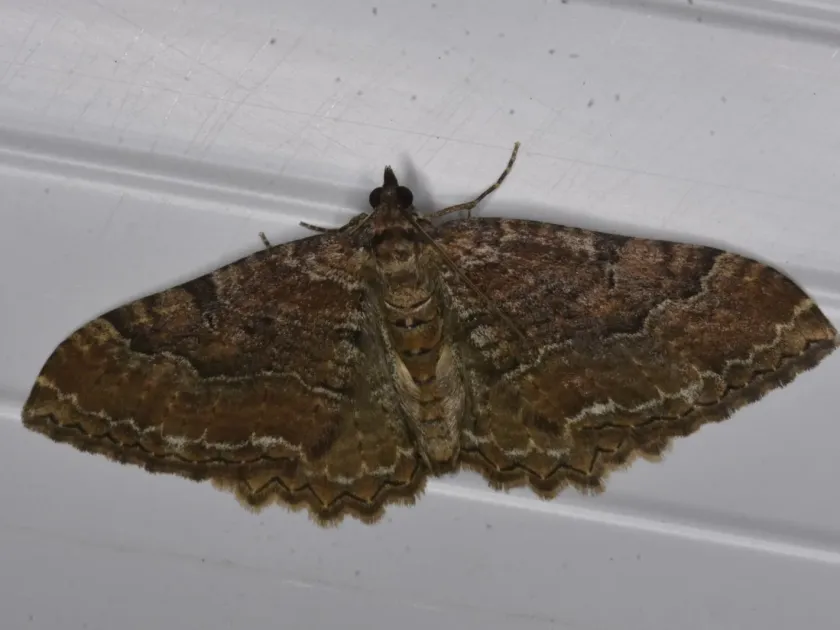
Description
How to identify
Calocalpe is a genus of insects belonging to the order Lepidoptera and the family Geometridae. Adult moths of this genus typically possess cryptic coloration, which helps them camouflage effectively on tree bark or foliage during the daytime.
The larvae, known as loopers or inchworms, are characterized by their unique locomotion style. Due to the reduction of prolegs on the middle segments, they move by arching their bodies, bringing their posterior section toward their thoracic legs.
The life cycle follows a complete metamorphosis pattern: egg, larva, pupa, and adult. The duration of each stage is highly dependent on environmental factors, particularly ambient temperature and humidity levels.
Morphological identification of the species within the Calocalpe genus often requires specialized entomological study, focusing on wing pattern details or genital dissections for accurate taxonomic classification.
The pupal stage is the primary overwintering phase. These pupae are typically found in the soil layer or buried within leaf litter near the host plant, providing protection against winter frosts.
##damage##The primary damage caused by Calocalpe larvae involves the consumption of leaves, buds, and young shoots. This feeding activity disrupts the host plant's ability to perform photosynthesis, thereby hindering its growth.
In cases of heavy infestation, the cumulative feeding of a large population can lead to partial or total defoliation of trees and shrubs, severely stressing the plant and reducing its overall vigor.
Young plants, particularly in nursery settings, are highly susceptible to damage. Larvae feeding on apical buds can lead to stunted growth or permanent deformation of the plant structure.
Beyond direct tissue consumption, the physical wounding caused by larval feeding creates entry points for various opportunistic secondary pathogens, such as fungi and bacteria, which can cause further tissue necrosis.
Economically, significant damage results in reduced growth rates, lower crop yields in fruiting species, and decreased ornamental value for landscaping plants.
When it appears
Adult moths are typically active during the late spring and summer months. The timing of their emergence is tightly synchronized with the phenological stages of their host plants, ensuring food availability for the next generation.
Larval activity usually peaks during the periods of flush growth of the host plant. These stages are the most critical for monitoring to prevent widespread damage across the plantation.
Depending on the climatic zone, the genus may produce one or more generations per year. Multiple generations often lead to increased pressure on host plants as the season progresses into late summer.
Pupation occurs in early to mid-summer, with the pupae either developing into a second generation of adults or entering diapause if the environmental conditions indicate the approach of winter.
Late summer and early autumn mark the decline of larval activity as the population prepares for the dormant overwintering phase, often signaled by changing photoperiods.
Signs of infestation
One of the earliest signs of a Calocalpe infestation is the presence of larval frass (droppings) on the leaf surfaces below the feeding sites. This helps in early detection before visible leaf damage appears.
Larvae often use silk threads to bind leaves together, creating shelters or nests. Observing webbed-together leaves is a strong indicator of the presence of the larvae within the canopy.
Physical evidence of feeding, such as jagged holes in the leaf blades or entire sections of leaves consumed down to the veins, clearly points to larval activity on the plant.
During daylight, larvae may remain motionless on twigs or stems, blending into the background. Careful inspection during these hours can reveal their presence as they simulate small branches.
Severe defoliation or the sudden wilting of branch tips, resulting from damage to the vascular tissues at the base of the leaves, are advanced signs of a serious infestation.
Control measures
Integrated Pest Management (IPM) is the most effective approach for controlling Calocalpe. This includes continuous monitoring using pheromone traps to identify the timing of adult activity.
Cultural control practices, such as removing weeds that serve as alternative hosts and cultivating the soil around the base of trees, help disrupt the pupal stages and reduce the population.
Biological control, including the application of Bacillus thuringiensis or the introduction of parasitic wasps, can be very effective in managing larval populations without significant chemical use.
When economic damage thresholds are exceeded, targeted application of environmentally sensitive insecticides may be necessary to suppress high numbers of larvae while minimizing harm to beneficial insects.
- Regular pruning to remove infested branches and manage canopy density.
- Encouraging natural predators such as birds and lacewings in the garden ecosystem.
- Installing sticky bands on tree trunks to prevent the movement of larvae.
Taxonomy
- Latin name
- Calocalpe
- Order
- Lepidoptera (butterflies)
- Family
- Geometridae
- EPPO code
- CLOCSP
Discussion
No discussions yet — be the first.