
Caligo prometheus
Caligo prometheus
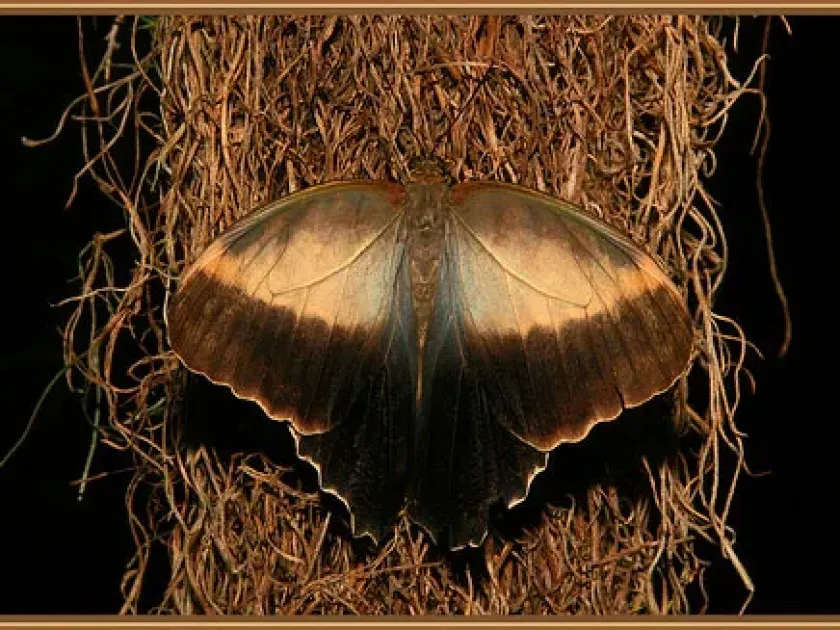
Description
How to identify
Caligo prometheus is a species of butterfly in the family Nymphalidae. Known as part of the owl butterfly group, these insects are characterized by large eyespots on the underside of their wings, which serve as a natural defense mechanism against potential avian predators.
The larval stage, or caterpillar, is the primary concern for agricultural producers. These larvae are typically elongated and possess specific surface structures that aid in camouflaging them against the leaves of their host plants, making them difficult to detect during standard field inspections.
As a member of the order Lepidoptera, Caligo prometheus undergoes a complete metamorphosis. The lifecycle consists of the egg stage, several larval instars, the pupal stage, and the adult butterfly, each requiring specific environmental conditions for survival.
The biology of this pest is highly adapted to tropical climates where banana plants are abundant. Females typically oviposit on the leaves, ensuring that hatching larvae have immediate access to a food source essential for their rapid development.
Entomologists distinguish this species through larval morphology and the specific plant-host preferences. In the field, accurate identification requires knowledge of the caterpillar's behavioral patterns, such as their tendency to stay hidden during the daylight hours.
What it damages
Caligo prometheus is known to cause significant damage to banana plantations. The larvae feed on the foliage, consuming large portions of the leaf blade, which directly interferes with the plant's ability to undergo photosynthesis.
The feeding patterns are characterized by extensive leaf tissue removal. When larval populations are high, a plant can lose a large percentage of its leaf area, leading to severe defoliation and a drastic reduction in overall plant vigor.
The resulting physiological stress on the banana plant often translates into poor bunch development and reduced fruit yield. This is a critical economic issue for growers, as stunted fruit or yield loss directly impacts marketability.
Furthermore, the physical damage inflicted by the caterpillars leaves the plant susceptible to secondary pathogen infections. Wounds on the leaf surface become entry points for various fungal and bacterial pathogens, exacerbating the overall damage.
In cases of severe infestation, the cumulative impact of herbivory and subsequent infections can weaken the entire plant to the point of collapse or death, especially in younger, more vulnerable banana cultivars.
Signs of infestation
The most prominent sign of an infestation is the presence of uneven, ragged leaf edges. Caterpillars generally feed from the margins inward, eventually consuming most of the blade and leaving behind a skeletonized appearance.
Frass, or caterpillar excrement, found on the lower leaves or on the ground beneath the plant is a strong indicator of an active population. Its presence often precedes visible damage to the foliage and serves as an early warning sign for scouts.
Caterpillars can often be found resting along the midrib of the leaf during the day. Their camouflage makes them blend into the leaf structure, so experienced inspectors look for the slight discoloration or structural irregularities that indicate their presence.
Withered or yellowing leaves that appear prematurely may also signal damage from these pests. As the foliage loses its integrity, it loses the ability to maintain water balance, leading to visible drying and drooping of the plant's crown.
If a field shows an unusual drop in productivity combined with patches of defoliation, the presence of Caligo prometheus should be investigated as a primary suspect, particularly in areas where these butterflies are endemic.
Control measures
Integrated Pest Management (IPM) is the most effective approach for controlling Caligo prometheus. This includes combining biological, mechanical, and selective chemical methods to keep the population below the economic injury level.
Biological control using Bacillus thuringiensis sprays has proven highly effective. These microbial insecticides specifically target the lepidopteran larvae while sparing beneficial predatory insects and pollinators present in the plantation.
Mechanical control, such as the manual removal of egg masses and early-stage larvae from the leaves, is feasible in smaller plots and is essential for reducing the spread of the pest during the early phases of an outbreak.
Chemical control should be used judiciously. Growers are encouraged to use selective insecticides that have minimal impact on the local ecosystem and strictly adhere to pre-harvest intervals to ensure safety for both the workers and consumers.
- Regular monitoring and scouting of banana leaves.
- Use of microbial pesticides based on Bacillus thuringiensis.
- Sanitation protocols, including the removal of heavily infested leaves.
- Promotion of natural predator habitats to support ecological balance.
Taxonomy
- Latin name
- Caligo prometheus
- Order
- Lepidoptera (butterflies)
- Family
- Nymphalidae
- EPPO code
- CALIPR
Discussion
No discussions yet — be the first.