
Tea looper
Buzura
Description
How to identify
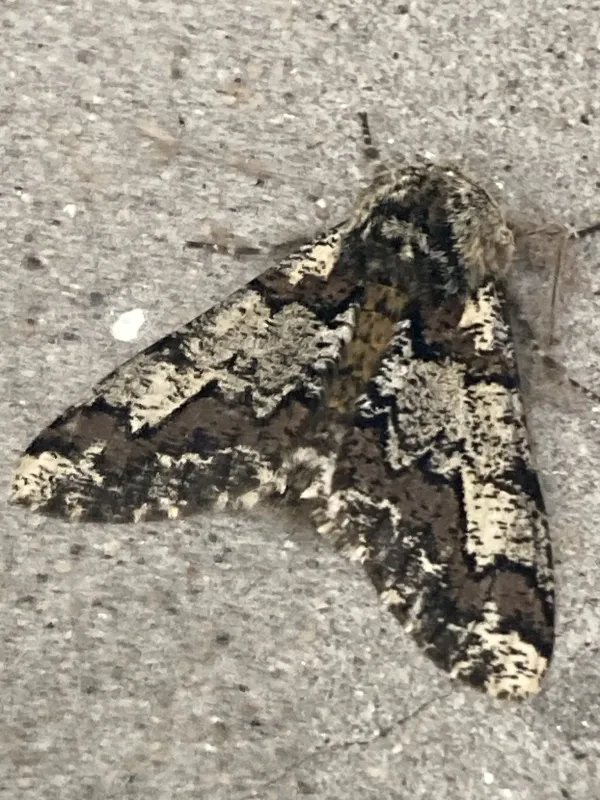
The tea looper (scientific name: Buzura suppressaria) is a prominent member of the Geometridae family within the order Lepidoptera. The adult moth is characterized by a significant wingspan of approximately 50–60 mm, with cryptic coloration that allows it to blend seamlessly into bark and foliage during the day.
The larvae, known as loopers, exhibit remarkable mimicry; their bodies resemble twigs in both color and posture. When disturbed or at rest, they stretch out their bodies, making them extremely difficult to detect among the tea branches.
The insect undergoes a complete metamorphosis involving four stages: egg, larva, pupa, and adult. In tropical and subtropical climates, the life cycle is rapid, allowing for multiple overlapping generations throughout the growing season.
Pupation typically occurs in the soil beneath the host plants. The pupae are enclosed in subterranean cocoons, which makes soil disturbance a key factor in natural population control during the off-season.
As the moths are nocturnal, their flight activity is most intense during the night, at which time they deposit eggs on the undersides of tea leaves, ensuring the newly hatched larvae have immediate access to food.
What it damages
While the primary host is the tea plant (Camellia sinensis), the tea looper is a polyphagous insect that can feed on various other botanical species, causing significant stress to diverse vegetation in and around agricultural zones.
The larvae are voracious feeders that can cause complete defoliation of bushes in severe infestations. They target both the young, tender leaves used for tea production and the older, established foliage, compromising the plant's overall health.
Damage to the tea bush significantly inhibits photosynthesis, which directly reduces the plant's metabolic capacity and leads to a substantial decline in both yield quality and total quantity of the harvested leaves.
Furthermore, the physical damage created by larval feeding provides entry points for various phytopathogens, increasing the risk of secondary infections that can weaken the bush structure and shorten its productive lifespan.
Economic impact is severe, particularly during outbreak years where unprotected fields can suffer losses exceeding half of the total harvest, necessitating intensive management interventions.
Signs of infestation
The most immediate sign of an infestation is the presence of irregular, ragged holes in the leaves or entirely missing leaf margins, caused by the feeding activity of the loopers.
Dark, granular excrement (frass) found on the soil surface or resting on the lower leaves of the tea bush is a clear indicator that a looper population is active in the canopy above.
Careful inspection of the branches during the day may reveal the larvae holding themselves in a rigid, twig-like position. Because they match the color of the bark, this requires a keen eye or a structured scouting program.
Visible thinning of the foliage and the presence of naked stems are late-stage signs of infestation, often indicating that the looper population has reached a damaging threshold.
Evening sightings of adult moths flying near light sources are a reliable indicator of high pest pressure and suggest that active egg-laying is occurring in the immediate vicinity.
Control measures
Effective management begins with cultural practices, such as frequent tilling or hoeing of the soil between rows, which disrupts the pupal stage and reduces the number of emerging adults in the subsequent season.
Biological control, specifically the use of microbial insecticides containing Bacillus thuringiensis, offers an effective and environmentally friendly method to suppress larvae without harming the essential biodiversity of the plantation.
Light traps and pheromone-based monitoring tools are essential for detecting the arrival and peak activity of adult moths, allowing growers to time their control measures for maximum efficiency.
Chemical intervention should be treated as a last resort, using selective, low-residual insecticides that comply with food safety standards to ensure the harvested tea remains free from chemical contamination.
- Implementation of regular plantation scouting schedules.
- Encouraging natural predators such as birds and parasitic wasps.
- Pruning severely infested branches to lower larval density.
- Maintaining healthy soil and plant vigor to improve natural resilience.
Taxonomy
- Latin name
- Buzura
- Order
- Lepidoptera (butterflies)
- Family
- Geometridae
- EPPO code
- BUZUSP
Discussion
No discussions yet — be the first.