
Bulinus truncatus
Bulinus truncatus
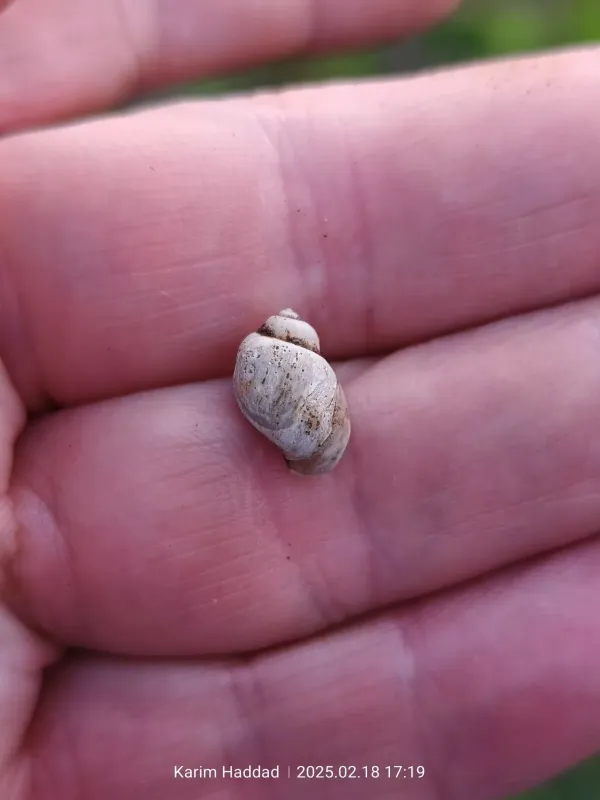
Description
How to identify
Bulinus truncatus is a small freshwater snail belonging to the Planorbidae family, known for its spirally coiled shell with a truncated apex.
The average shell size ranges between 7 and 12 millimeters, with a coloration that usually blends into the muddy environments of its habitat.
These snails are air-breathing, which requires them to move to the water surface periodically, making them visible in slow-moving or stagnant waters.
As hermaphrodites, they possess a significant reproductive advantage, allowing them to rapidly colonize suitable aquatic environments under favorable conditions.
They are characterized by the absence of an operculum, a trait that makes them sensitive to environmental changes but highly successful in stable warm waters.
What it damages
The primary concern regarding Bulinus truncatus is its status as an intermediate host for human schistosomes, posing a major health risk in agricultural regions.
Although these snails do not directly consume crops, their presence in irrigation channels and rice paddies creates significant management challenges.
The accumulation of snail populations can clog water filtration systems and irrigation infrastructure, disrupting the water supply for agricultural needs.
Biofouling caused by snail mucus and waste products can degrade water quality, impacting the environment where crops are grown.
In agricultural operations, the presence of these snails necessitates extra safety protocols for workers handling irrigation water.
When it appears
Bulinus truncatus thrives in warm freshwater environments, with optimal activity occurring at temperatures ranging from 20°C to 28°C.
During colder months, their activity levels drop, and they may bury themselves in the substrate to survive low-temperature periods.
Their reproduction cycles are intense during the spring and summer months, often resulting in multiple generations per year in tropical and subtropical zones.
These snails exhibit impressive resilience, capable of entering a dormant state during drought conditions until water levels are restored.
In permanent irrigation systems, the breeding cycle can be continuous throughout the year, provided temperatures remain above the minimum threshold.
Signs of infestation
Detection involves regular monitoring of aquatic vegetation and canal banks for the presence of adult snails or empty shells.
Noticeable slime trails on aquatic plants and stagnant surfaces serve as a clear indication of snail activity in a particular area.
An increase in water cloudiness or organic buildup in drainage channels often correlates with the presence of large snail populations.
Field scouting using dip nets or mesh traps is recommended to estimate population density and identify potential hotspots.
Observations should focus on shallow, slow-flowing water zones where these snails tend to aggregate for feeding and mating.
Control measures
Mechanical removal of aquatic weeds from irrigation channels is a fundamental strategy to destroy snail habitats and egg-laying sites.
Draining and drying of channels periodically effectively eradicates snail populations by removing their required moist environment.
The application of molluscicides is an option in controlled environments, though it must be balanced against ecological impact and safety standards.
Biological control, including the encouragement of natural snail predators like certain fish species, can help manage populations in specific settings.
Strict adherence to sanitation protocols and water management practices is essential to minimize the risks associated with this snail species in agriculture.
Taxonomy
- Latin name
- Bulinus truncatus
- Order
- Molluscs
- Family
- Planorbidae
- EPPO code
- BULITU
Discussion
No discussions yet — be the first.