
Bulinus tropicus
Bulinus tropicus
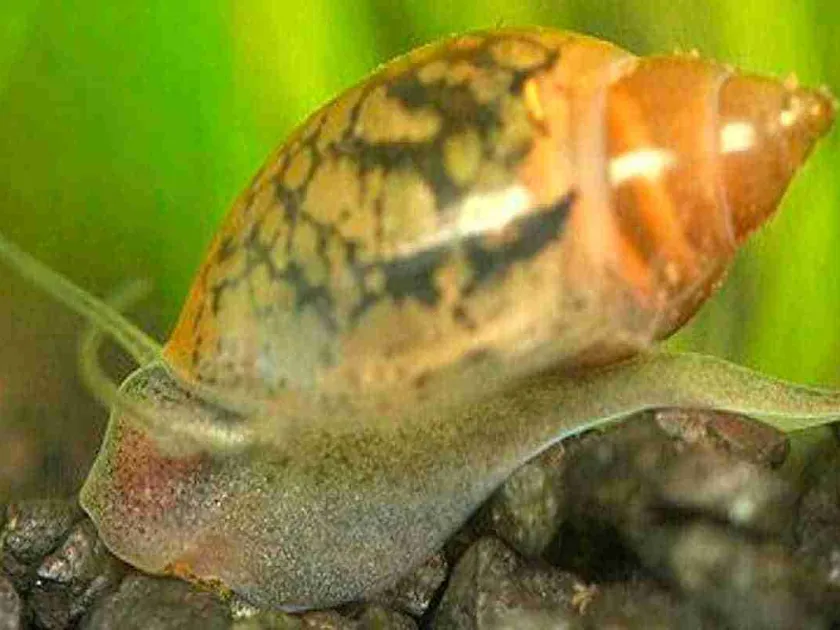
Description
How to identify
Bulinus tropicus is a species of freshwater gastropod mollusk belonging to the Planorbidae family. It features a spirally coiled, conical shell that typically reaches 15–20 mm in length.
The soft body of the snail is generally grayish or brownish. This species is highly adaptable to various water conditions, including fluctuating pH levels and different temperatures, making it a persistent resident in many irrigation systems.
A key diagnostic feature is the absence of an operculum (a shell door). As a hermaphroditic species, a single individual can establish a new colony, which complicates pest control efforts in greenhouse environments.
These snails breathe atmospheric air, necessitating periodic trips to the water surface. This behavior makes them visible during routine inspections of nutrient reservoirs in hydroponic setups.
Native to Africa, this species has spread globally, often hitchhiking on aquatic plants, greenhouse equipment, or contaminated water sources used for irrigation.
What it damages
In hydroponic and greenhouse settings, Bulinus tropicus poses a threat by feeding on plant roots. They use their radula to scrape off soft root tissue, which severely inhibits the plant's ability to absorb water and nutrients.
Beyond physical damage, the presence of these snails results in the accumulation of mucus and waste products in the nutrient solution. This degradation of water quality promotes the growth of secondary bacterial and fungal infections.
Plants with delicate roots, such as lettuce, herbs, and young seedlings, are particularly susceptible to this pest. Even small populations can cause significant stunting or total plant loss due to root system destruction.
Damaged root zones become highly vulnerable to pathogens that enter through the bite marks left by the snails. This often leads to root rot, which is difficult to treat once the infestation becomes widespread.
Additionally, large numbers of snails can clog irrigation pipes, emitters, and filter systems, causing uneven water distribution and further stressing the crop.
When it appears
In temperature-controlled greenhouses, Bulinus tropicus can breed continuously throughout the year. The optimal development temperature for this species is between 20°C and 28°C, which mirrors the typical conditions for many greenhouse crops.
The lifecycle from egg to reproductive adult is rapid, often completed within a few weeks under favorable conditions. This rapid turnover allows for explosive population growth if left unchecked.
Seasonality is less defined in indoor environments, but infestations often peak when irrigation systems are modified or when new plants are introduced into existing water loops without quarantine.
The snails deposit egg masses on roots, stems, and reservoir walls. These eggs are resilient and can survive periods of lower activity, only to hatch when the environment returns to the optimal temperature range.
Humidity and moisture management are critical; snails thrive in areas with standing water or biofilms, which are common in poorly maintained hydroponic systems.
Signs of infestation
The primary symptom of an infestation is the observation of rasped or chewed tissue on the root system. If plants show signs of wilt or nutrient deficiency while the water parameters are correct, a root inspection is necessary.
Snail mucus trails on the inner walls of pipes or reservoirs are clear indicators of their presence. Small, transparent gelatinous egg clusters attached to submerged surfaces are another sign of an active infestation.
Turbid nutrient solution or an unusual, musty odor in the system often points to high organic waste production by a snail colony, indicating an urgent need for system cleaning.
Clogging of small-diameter pipes or fine mesh filters by organic debris and slime is a common warning sign that snails are populating the plumbing of the growing system.
Reduced plant vitality and slow growth rates compared to standard performance benchmarks are typical consequences of root damage caused by these aquatic pests.
Control measures
Effective management begins with strict quarantine and hygiene. All incoming plants should be inspected for the presence of snails or egg masses before being introduced into the greenhouse.
Mechanical control is the most effective approach. This includes manual removal of snails, scrubbing of reservoirs, and flushing pipes to remove buildup. Regular maintenance is essential to prevent re-establishment.
Installing high-quality mechanical filters can help trap both adult snails and larger waste, though egg masses require manual removal. Disinfection of systems between crop cycles using appropriate agents is necessary.
Chemical control must be used with extreme caution to avoid toxicity to the crops. Biological management via competitive exclusion or predators is rarely practical, so focus remains on physical exclusion and system hygiene.
- Strict quarantine for all new plant material
- Mechanical filtration of water loops
- Regular cleaning and disinfection of reservoirs
- Frequent inspection of root systems
Taxonomy
- Latin name
- Bulinus tropicus
- Order
- Molluscs
- Family
- Planorbidae
- EPPO code
- BULITO
Discussion
No discussions yet — be the first.