
Bulinus
Bulinus
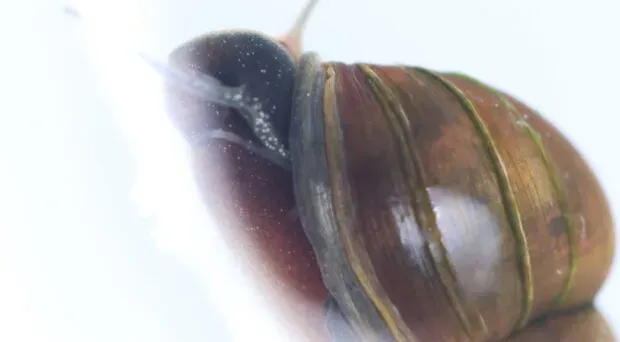
Description
How to identify
The genus Bulinus belongs to the family Planorbidae and comprises a group of freshwater pulmonate snails. They are morphologically distinguished by their sinistral (left-handed) shell coiling.
These mollusks are air-breathers, which allows them to thrive in stagnant or oxygen-poor water bodies where other aquatic organisms might struggle to survive.
Typically, the shell size ranges from 5 to 15 millimeters, with a coloration that often blends with mud or decaying vegetation, usually in brown or horn-colored shades.
Taxonomically, they are categorized under the order Basommatophora. While they are scientifically significant as intermediate hosts for parasites, they are also recognized as pests in aquatic agriculture.
Accurate species identification often requires microscopic examination of the reproductive anatomy, as shell characteristics can be highly variable within the same species.
What it damages
In agricultural settings, Bulinus snails primarily damage submerged crops, such as rice seedlings, watercress, and various hydroponically grown plants.
They feed on young leaf tissues, roots, and stems, which can stunt the growth of the plants and leave them susceptible to secondary infections or rotting processes.
In commercial aquaculture systems, these snails can clog water intake pipes, filters, and irrigation channels, leading to mechanical failures and circulation issues.
Their waste production adds excess organic matter to the water, which can lead to rapid algae blooms and deteriorating water quality for the target crops.
Heavy infestations can result in significant economic loss, particularly in systems where crop density is high and plant tissue is soft and easily accessible to the snails.
When it appears
The activity and reproduction of Bulinus are highly temperature-dependent, with populations peaking during the warmer months of the year.
During unfavorable conditions, such as drought or water drainage, some species can survive by burrowing into the substrate and entering a state of dormancy.
Reproduction occurs continuously in controlled environments like greenhouses, where stable temperatures allow for rapid population growth throughout the entire calendar year.
Snails are hermaphroditic, which means any two individuals can mate and produce eggs, leading to explosive growth rates if conditions are not strictly managed.
Seasonal blooms often coincide with the vegetative growth phase of aquatic plants, providing both abundant food sources and essential substrates for oviposition.
Signs of infestation
The most reliable sign of a Bulinus presence is the discovery of transparent, gelatinous egg clutches attached to the undersides of leaves or hard surfaces.
- Irregular holes or skeletonized leaf edges on submerged plants.
- Dead empty shells found at the bottom of the water reservoir.
- Cloudy or degraded water quality despite active filtration.
- Reduced growth rates of aquatic crops without visible disease symptoms.
Regular inspection of the root systems and the interior surfaces of irrigation pipes is essential for detecting early-stage infestations before they become unmanageable.
Small fecal pellets, appearing as dark granular deposits on the substrate or around the base of the plant, are further indicators of an active snail colony.
Control measures
Management strategies for Bulinus focus on habitat modification, such as regular cleaning of water systems and the removal of organic debris that provides food and shelter.
Mechanical control, including manual collection and the use of fine-mesh screening for irrigation intakes, is the most sustainable way to prevent infestation.
Biological control methods, involving the introduction of snail-eating fish or crustaceans, can be effective but must be balanced against the needs of the primary crop.
Chemical control (molluscicides) should be used with extreme caution, as these substances are often non-selective and can have negative impacts on the entire ecosystem.
Maintaining high water quality and preventing excessive nutrient buildup (eutrophication) can discourage the snails from colonizing the area, as they prefer environments with high levels of decaying plant matter.
Taxonomy
- Latin name
- Bulinus
- Order
- Molluscs
- Family
- Planorbidae
- EPPO code
- BULISP
Discussion
No discussions yet — be the first.