
Fritillary
Brenthis
Description
How to identify
Fritillaries (genus Brenthis) are part of the Order Lepidoptera and the family Nymphalidae. Adult butterflies are characterized by a medium size and a vibrant orange-brown wing pattern featuring dark spots and streaks.
The underside of the hindwings in the genus Brenthis often displays a distinctive pearly or iridescent sheen, which serves as a primary identifying trait for distinguishing this group from other similar butterflies.
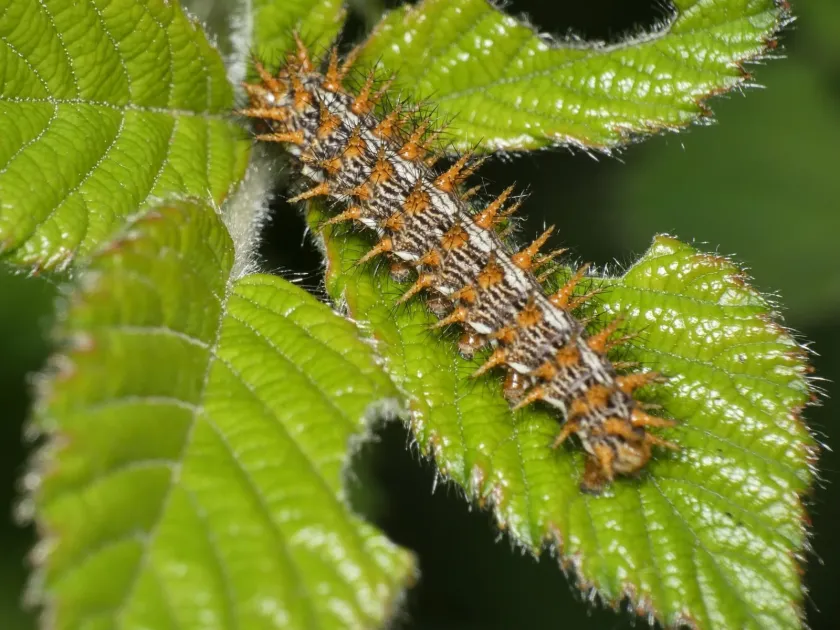
The larvae (caterpillars) are typically covered in small spines or filaments, which may appear intimidating but are harmless to humans. Their coloration is usually dark or mottled, providing excellent camouflage against vegetation.
The life cycle follows complete metamorphosis, including egg, larva, pupa, and adult stages. Depending on the specific climate and species, the overwintering stage is typically the larva or pupa, which survives in protected habitats.
Fritillaries thrive in conditions characterized by moderate temperatures and sufficient humidity. Development rates are highly sensitive to ambient temperature, directly influencing the number of generations per growing season.
What it damages
In an agricultural context, Fritillaries are occasional pests. Their primary host plants include members of the Violaceae family, but they can occasionally impact berries, ornamental plants, or nearby specialty crops.
The primary damage is caused by the caterpillars during the larval stage. They consume leaf tissue, creating irregular holes and consuming margins, which significantly reduces the photosynthetic efficiency of the plant.
Heavy infestations can lead to substantial defoliation of young plants, hindering their growth and reducing the overall vigor of the crop. This stress can make plants more susceptible to secondary pathogenic attacks.
Damage is most pronounced during the peak vegetative stage, when the plant is relying on its foliage to support floral or fruit development. Loss of leaf area at this time directly correlates with lower yields.
While often overlooked compared to major agricultural pests, localized outbreaks can necessitate management efforts in nurseries, orchards, or vegetable gardens where high-value crops are cultivated near natural hosts.
Signs of infestation
The most common sign of infestation is the appearance of irregularly eaten leaf edges and small holes in the middle of the leaf blade. If these signs are observed, active larvae are likely feeding on the plant.
Observing frass (caterpillar droppings) on leaves or on the ground beneath the plant is a definitive indicator of current presence. Because larvae are often nocturnal, looking for them in the early morning is more effective.
The presence of adult butterflies on the field during the spring and summer acts as a warning for impending larval populations. Early detection of eggs on the underside of leaves allows for timely intervention.
Damaged leaves often show signs of necrosis or yellowing around the feeding sites. These stressed areas are easily colonized by opportunistic fungi or bacteria, causing further aesthetic or functional decline.
Stunted growth or uneven development in a specific crop patch may suggest that caterpillars have been feeding on the apical meristems or young, soft foliage of the affected plants.
Control measures
Management strategies for Fritillary pests focus on cultural practices and biological control. The most effective approach is the removal of primary wild host plants, such as wild violets, from the vicinity of the field.
Hand-picking caterpillars is feasible in small-scale plots or garden settings. This manual removal is most effective if carried out regularly during the early stages of larval development.
Biological control using microbial insecticides, such as Bacillus thuringiensis, is highly effective against caterpillars while remaining non-toxic to beneficial insects and predators that keep populations in check.
Chemical control should be considered a last resort. If required, target younger larval stages with selective, low-impact insecticides to minimize damage to the broader agricultural ecosystem.
- Implement strict weed management near field borders.
- Monitor adult activity to predict larval emergence.
- Encourage native predators like birds and parasitic wasps.
- Rotate crops to break the life cycle of the pest.
Taxonomy
- Latin name
- Brenthis
- Order
- Lepidoptera (butterflies)
- Family
- Nymphalidae
- EPPO code
- BRENSP
Discussion
No discussions yet — be the first.