
Brassolis sophorae
Brassolis sophorae
Description
How to identify
Brassolis sophorae, commonly known as the coconut moth or palm caterpillar, belongs to the family Nymphalidae. It is a significant pest primarily known for affecting various palm species in tropical regions.
The larvae are characterized by their gregarious behavior, living in large communal nests made of silk. These nests serve as a protective shelter during daylight hours, preventing predation and exposure to extreme environmental factors.
Adult moths are large and exhibit dark wing patterns with distinctive orange or yellow bands. They are active in the environment and facilitate the spread of the population across plantations.
The life cycle involves the egg stage, several larval instars, pupation, and the adult stage. Eggs are usually laid in clusters on the leaves or trunks, ensuring that hatching larvae have immediate access to food.
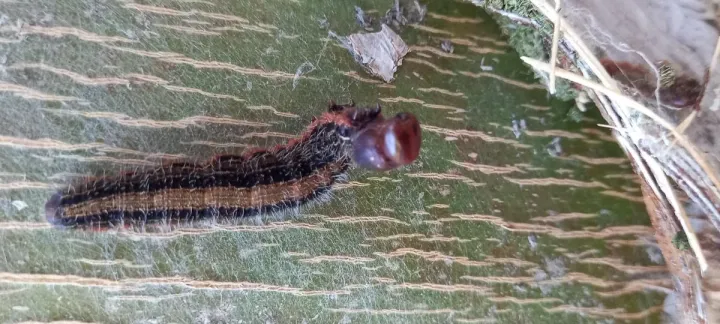
The larvae possess long, stiff hairs and are typically brown with longitudinal stripes. Recognizing these larval features is essential for early pest detection in the field.
What it damages
The larvae of Brassolis sophorae primarily feed on the foliage of coconut palms and ornamental palm species. Their voracious appetite can cause extensive defoliation in a relatively short period.
Feeding starts from the leaf margins and progresses toward the midrib, leading to total skeletonization of the fronds. This loss of foliage significantly reduces the photosynthetic area of the plant.
Severe infestations weaken the trees, resulting in stunted growth and a substantial reduction in fruit production. In extreme cases, repeated defoliation can lead to the death of the palm tree.
The stress caused by the damage makes the trees more susceptible to other secondary pests and pathogens, complicating the recovery process for affected plantations.
Management of the pest is crucial for maintaining productivity in regions where palm cultivation is a primary industry, as outbreaks can occur sporadically and spread rapidly.
Signs of infestation
The most prominent sign of infestation is the presence of large, silk-bound nests constructed between palm fronds. These structures are easily identifiable during routine orchard inspections.
Accumulation of larval frass (droppings) on the ground underneath the palm trees is a clear indicator of active feeding in the canopy. This often precedes visual confirmation of the larvae.
Progressive yellowing and drying of the foliage indicate damage areas. As the larval colony grows, the extent of the skeletonized leaves becomes more visible from the ground.
Observing the flight activity of adult moths around the canopy suggests potential egg-laying cycles. Monitoring these flights helps in predicting the emergence of the next generation of larvae.
- Silk-bound nesting structures in the canopy.
- Noticeable amounts of larval frass at the base of the tree.
- Visible skeletonization and necrosis of palm leaflets.
Control measures
Mechanical removal and destruction of the communal nests are effective for managing small populations. This method is highly recommended for nursery or small-scale palm plantations.
Biological control using microbial insecticides, specifically formulations of Bacillus thuringiensis, is highly effective and environmentally friendly. It targets the larvae specifically while preserving natural predator populations.
Chemical control measures should be implemented when the economic threshold is reached. Application of contact or systemic insecticides should target the larval stages, ensuring thorough coverage of the infested fronds.
Conservation of natural enemies, including parasitoid wasps and predatory insects, is a critical component of sustainable pest management. Integrating these biological controls reduces the need for synthetic chemicals.
Systematic monitoring of the plantation is key to successful management. By tracking population trends and responding promptly with the appropriate control method, growers can protect their yields effectively.
Taxonomy
- Latin name
- Brassolis sophorae
- Order
- Lepidoptera (butterflies)
- Family
- Nymphalidae
- EPPO code
- BRSSSL
Discussion
No discussions yet — be the first.