
Brassolis astyra
Brassolis astyra
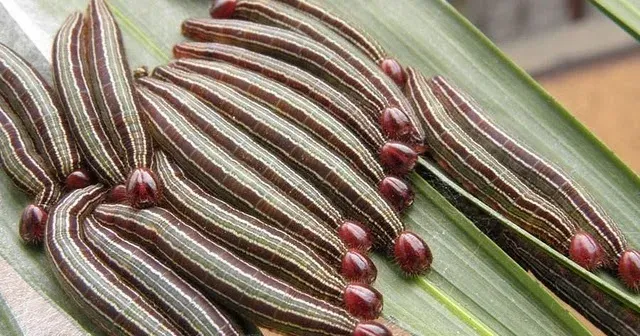
Description
How to identify
Brassolis astyra is a species of butterfly in the family Nymphalidae. It is a well-known pest that specifically targets palm species in tropical and subtropical regions.
The adult butterfly possesses large, dark-colored wings that provide effective camouflage against tree trunks. The larvae, or caterpillars, are easily recognized by their distinct longitudinal stripes and social behavior.
A key biological feature of this pest is its group-living habit during the larval stage. They construct shelters using silk and leaves, which serve as protection from predators and environmental stress.
The life cycle involves four distinct stages: egg, larva, pupa, and adult. The pupae are typically hidden within the foliage, making them difficult to detect during standard nursery inspections.
In their natural environment, these insects are monitored by observing larval nests, as adult butterflies are nocturnal and less active during daylight hours.
What it damages
This pest is highly specialized, feeding primarily on Arecaceae (palm family). Coconut palms and ornamental palm varieties are the most frequent targets of its infestation.
The primary damage is caused by larvae, which are voracious defoliators. A large colony can strip a palm tree of its foliage in a remarkably short period, leading to complete skeletonization of the fronds.
Severe defoliation results in a significant reduction in the plant's photosynthetic capacity, which directly translates to reduced fruit yield or the death of young, vulnerable saplings.
Continuous attacks by subsequent generations lead to systemic weakening of the palm, making it susceptible to secondary pests and various opportunistic fungal pathogens.
The economic impact is profound in commercial plantations, where damage to the canopy disrupts the plant's metabolic functions, often requiring extensive recovery time or replanting.
Signs of infestation
The most prominent sign of an infestation is the ragged appearance of the palm fronds, where large sections of the leaf blade have been consumed, leaving only the midribs intact.
The presence of large, webbed nests located between the leaflets or along the rachis is a definitive indicator of an active Brassolis astyra colony.
Accumulation of dark, granular frass (excrement) at the base of the tree is a strong indicator of high larval density in the upper canopy, particularly during peak feeding seasons.
Larvae can often be seen huddled together in large, dense clusters within their silk shelters during the day, which can be easily identified with a flashlight inspection.
Secondary symptoms include rapid yellowing of the foliage and overall stunted growth of the palm, resulting from the cumulative stress of persistent leaf damage.
Control measures
Mechanical control, such as pruning and destroying affected fronds containing nests, is highly effective for localized infestations and ornamental landscaping.
Biological control using microbial insecticides based on Bacillus thuringiensis is highly recommended. It offers targeted control while preserving the populations of beneficial insects and natural predators.
Chemical control involving contact-action insecticides may be necessary during severe outbreaks. Products should be applied to the canopy to ensure maximum contact with the feeding larvae.
Integrated pest management (IPM) programs should incorporate light traps for monitoring adult butterfly populations, allowing for early intervention before larval numbers explode.
Maintaining strong palm health through appropriate fertilization and hydration strategies helps plants recover from minor defoliation events and increases their natural resilience to future attacks.
Taxonomy
- Latin name
- Brassolis astyra
- Order
- Lepidoptera (butterflies)
- Family
- Nymphalidae
- EPPO code
- BRSSAS
Discussion
No discussions yet — be the first.