
Yak
Bos grunniens
Description
How to identify
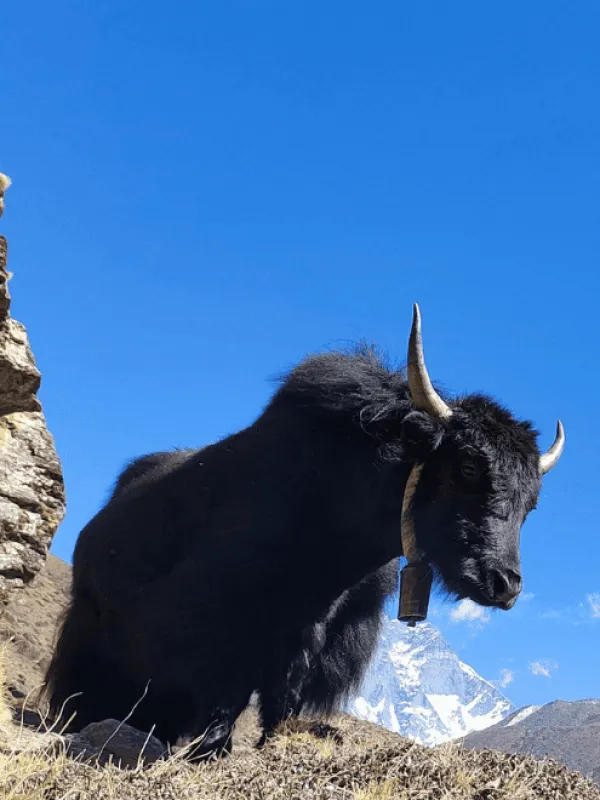
The yak (Bos grunniens) is a large bovid native to the Himalayan region. It belongs to the order Artiodactyla and is biologically adapted to high-altitude environments.
In agricultural terms, the yak is recognized as a significant consumer of vegetation, capable of altering plant community structures when kept at high densities.
They are characterized by a massive frame, long shaggy hair, and curved horns. Living in herds, they exert significant physical pressure on the land they inhabit.
Their metabolism is specialized for cold climates, yet their grazing behavior is typical of large ruminants, which can lead to intensive removal of biomass.
Managing the presence of yaks in farming systems requires careful oversight of stocking density to protect the integrity of the natural vegetation.
What it damages
The primary agricultural damage caused by yaks is the overgrazing of mountain grasslands and subalpine meadows, where they can strip vegetation down to the soil.
Excessive grazing pressure leads to a loss of biodiversity, as palatable forage species are replaced by unpalatable or weed species due to selective feeding.
Mechanical damage from hooves is particularly severe on damp high-altitude soils, where it can break the sod and trigger erosion processes.
During peak growth phases, yaks can devastate new shoots, preventing plants from reaching maturity and inhibiting natural reseeding.
Furthermore, the compaction of soil caused by heavy animals impairs water infiltration and aeration, which are essential for the health of grassland ecosystems.
When it appears
The impact of yaks is most acute during the summer months when they actively graze on succulent forage to build reserves for the winter season.
This coincides with the primary vegetative growth period, making the grazing impact particularly harmful to the long-term recovery of the plant cover.
Autumn grazing on dry remnants can also be destructive, as it leaves the soil exposed to harsh winter elements and reduces the protective mulch layer.
Seasonal migration patterns mean that specific patches of land can be targeted repeatedly, leading to localized degradation and total plant removal.
In early spring, the saturated soil is highly susceptible to hoof damage, and the grazing of early sprouts can hinder the entire growing season's productivity.
Signs of infestation
Obvious signs of overgrazing by yaks include bare, denuded patches of earth where no vegetation remains to hold the soil surface together.
The formation of deep, interconnected trails, often leading to gully erosion, is a clear indicator of concentrated herd movement.
Changes in vegetation composition, specifically the disappearance of sensitive grasses and the emergence of resistant weeds, indicate long-term pressure.
Nutrient concentration via waste deposits leads to patchy growth patterns, where some areas are heavily fertilized and others are nutrient-depleted.
Visually, the land appears depleted, with scarred soil surfaces and missing turf, which is most noticeable on sloping terrain where erosion is more likely.
Control measures
The most effective strategy is the implementation of strict stocking rates to ensure the number of animals aligns with the carrying capacity of the land.
Rotational grazing systems should be utilized to allow pasture recovery periods, preventing continuous pressure on the same botanical communities.
Exclusion zones, particularly on steep slopes or areas prone to waterlogging, are essential to prevent irreparable structural damage to the soil.
Regular ecological monitoring allows for adaptive management, ensuring herds are moved before they exceed the threshold of sustainable forage use.
Providing supplemental feed during off-peak seasons reduces the reliance on natural pastures and helps preserve the ecosystem's resilience.
Taxonomy
- Latin name
- Bos grunniens
- Family
- Bovidae
- EPPO code
- BOVSGR
Discussion
No discussions yet — be the first.