
Boarmia selenaria
Boarmia selenaria
Description
How to identify
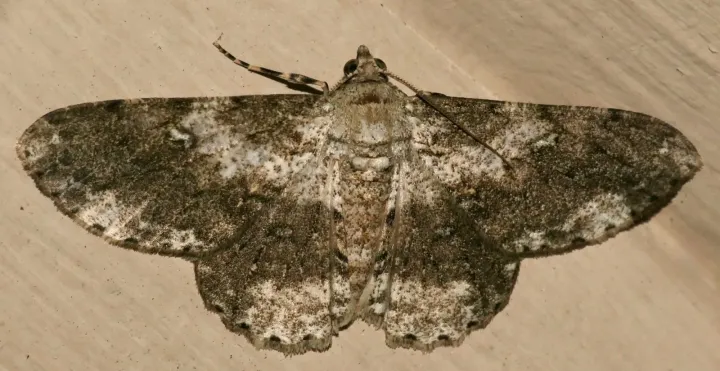
Boarmia selenaria, commonly known as a type of looper moth, belongs to the Geometridae family. Adult moths typically have a wingspan of 40–45 mm, with a color pattern ranging from grey to brown, providing excellent camouflage against tree bark.
The larvae, or caterpillars, are known for their unique movement, often referred to as "looping," which is characteristic of the Geometridae family. They possess a body structure that perfectly mimics twigs, making them extremely difficult to spot on host plants.
The pupal stage occurs in the soil or under leaf litter. The pupae are generally dark brown and robust, designed to survive environmental fluctuations during dormancy periods.
The life cycle consists of four distinct stages: egg, larva, pupa, and adult. Depending on environmental conditions, this pest can complete multiple generations within a single growing season.
Distinguishing features of the adult include specific markings on the wings that resemble crescent moons, which are essential diagnostic characteristics for field identification and monitoring.
What it damages
As a polyphagous species, Boarmia selenaria can feed on a wide variety of plants. It is a significant pest in orchards, vineyards, and ornamental trees, often leading to substantial economic loss.
Caterpillars cause extensive defoliation by consuming leaves. In high-density populations, they can strip entire branches, which drastically reduces the photosynthetic capacity of the plant.
Beyond foliage damage, the larvae often attack developing flower buds and fruits. This direct damage to reproductive parts leads to deformed fruit or total harvest failure in severe infestation cases.
Plants weakened by prolonged feeding are more susceptible to secondary stressors, such as diseases, drought, and winter cold, which can result in long-term damage or tree death.
In nurseries and young plantations, the larvae can prune growing tips, which alters the development and shape of the trees, leading to lower-quality planting material.
When it appears
The flight period for the first generation of adults usually begins in late spring, coinciding with the start of the primary vegetative growth period for most host crops.
The peak feeding activity of larvae typically occurs during the summer months. This is the period when agricultural intervention is most critical to prevent excessive crop damage.
Depending on the climatic zone, the pest may produce several overlapping generations throughout the season, requiring a sustained and planned protection strategy.
By late summer and early autumn, the larvae complete their development and prepare for pupation. Management practices aimed at disturbing the pupation sites during this time are highly effective.
The species overwinters in the pupal stage. Cold-hardy pupae hibernate in the soil, emerging as adults once conditions become favorable in the following spring.
Signs of infestation
The most prominent sign of infestation is irregular, ragged edges on leaves. In severe cases, the entire leaf lamina may be consumed, leaving only the midribs.
Larvae can be detected by their characteristic resting posture, where they stiffen and extend their bodies at an angle from the stem, effectively blending in with their surroundings.
The presence of frass (caterpillar droppings) on leaves or webbing between leaves is a clear indicator that feeding is occurring. Regular scouting during early morning hours helps in early detection.
Yellowing or premature leaf drop in specific areas of the canopy can also point to local pest activity, signaling that larvae are consuming foliage nearby.
An increase in bird activity near the canopy is often a biological sign that an infestation is present, as birds actively hunt these larvae as a food source.
Control measures
Managing Boarmia selenaria requires a strategy based on Integrated Pest Management (IPM) principles, focusing on monitoring and sustainable interventions.
- Deploying pheromone traps to monitor adult flight patterns and determine the exact timing for treatment.
- Tilling the soil in orchards during autumn and winter to expose and destroy overwintering pupae.
- Encouraging natural predators such as parasitic wasps and predatory birds to keep the population in check.
- Applying microbial pesticides based on Bacillus thuringiensis during the early larval stages for maximum efficacy.
- Using targeted chemical insecticides only when monitoring confirms that the economic threshold has been surpassed.
Proper coverage during insecticide application is essential, as the larvae often reside within the denser parts of the canopy where they remain shielded from direct contact.
Always rotate chemical classes of insecticides to prevent the development of resistance. Consult local agricultural guidelines for specific application timing and safety regulations.
Taxonomy
- Latin name
- Boarmia selenaria
- Order
- Lepidoptera (butterflies)
- Family
- Geometridae
- EPPO code
- BOARSL
Discussion
No discussions yet — be the first.