
Greek geometrid
Biston graecarius
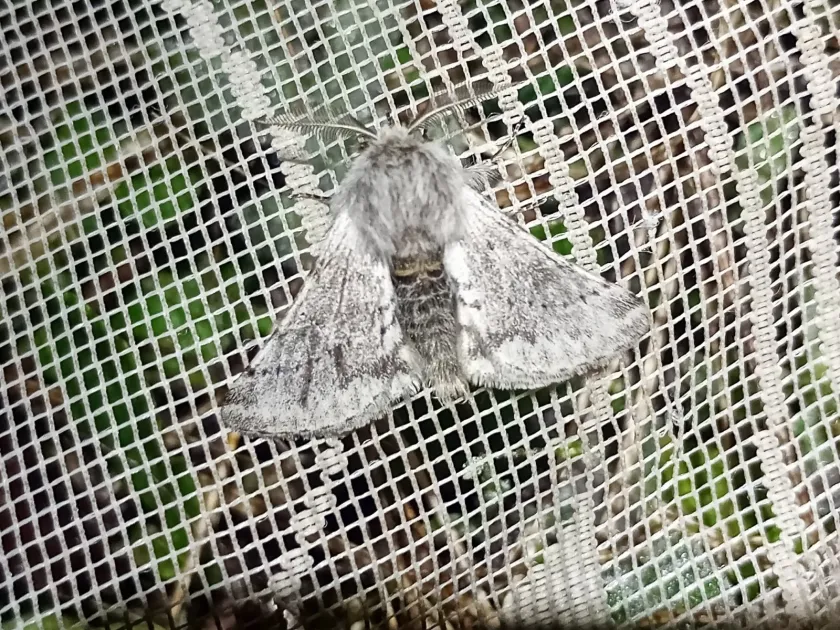
Description
How to identify
The Greek geometrid (Biston graecarius) is a member of the Geometridae family within the order Lepidoptera. It is recognized as an agricultural pest that can impact various woody plants, particularly in orchards.
The adult moths exhibit sexual dimorphism, while the larvae, commonly known as inchworms, possess a unique crawling behavior characterized by a looping gait, which is a classic trait of this family.
The life cycle involves complete metamorphosis, consisting of the egg, larval, pupal, and adult stages. The pupal stage typically occurs in the soil, providing a protective environment during the off-season.
Identifying this species requires observing the canopy during early spring, when the larvae begin their feeding activity following the bud break of host trees.
Although they are often cryptic due to their camouflage, careful inspection during the growing season can reveal their presence on leaves and branches.
What it damages
The larvae are polyphagous, meaning they feed on a variety of host plants. Fruit-bearing trees, such as apples, pears, and stone fruits, are among the most frequently affected species.
The caterpillars consume foliage, often leaving only the main veins, which severely hinders the tree's ability to perform photosynthesis and store energy.
Significant infestations can lead to partial or total defoliation, which causes physiological stress, weakening the tree's overall health and decreasing its resistance to diseases.
Beyond foliage, larvae may feed on blossoms and developing buds, directly impacting the potential yield and economic value of the orchard harvest.
Young trees are particularly susceptible to damage, as heavy feeding can lead to stunt growth and long-term vitality issues within the orchard.
When it appears
Adult moths emerge early in the spring, a period that coincides with the awakening of fruit trees and the initial growth of buds and leaves.
The larvae hatch shortly after the flowering phase, feeding actively throughout the late spring and early summer before moving to the pupal stage.
The duration of the larval stage depends on temperature; warmer conditions can accelerate the feeding period, while cooler spring weather may extend it.
Pupation occurs in the soil beneath the host trees, where the insect remains in a state of diapause through the summer, autumn, and winter months.
Understanding the phenology of the pest is crucial for timing agricultural interventions effectively to maximize the impact of control measures.
Signs of infestation
The most prominent sign of infestation is the appearance of ragged or skeletonized leaves throughout the tree's canopy.
If you observe caterpillars moving in a distinct looping or "measuring" motion, it is a strong indicator of a Geometridae infestation, such as the Greek geometrid.
Frass (larval excrement) accumulation on leaves or the ground beneath the tree serves as another clear signal of high pest activity.
In cases of severe infestation, early leaf fall may occur, which is a stress response from the tree to the significant damage caused by the larvae.
- Skeletonized or irregularly eaten leaves.
- Larvae with a distinct looping locomotion.
- Accumulation of larval frass on foliage.
- Stunted growth of new shoots.
Control measures
Cultural control methods involve tilling or cultivating the soil under the tree canopy in late autumn to disrupt the pupation sites and destroy dormant pupae.
The use of sticky or mechanical barrier bands around tree trunks can help prevent larvae from reaching the foliage, effectively reducing localized populations.
Biological control, including the application of Bacillus thuringiensis, offers an eco-friendly way to manage young larvae without harming beneficial insects.
Chemical control should be applied only when the population reaches the economic threshold, using targeted insecticides during the most susceptible larval stages.
Integrated Pest Management (IPM) practices, including the use of pheromone traps, are essential for monitoring population levels and ensuring timely intervention.
Taxonomy
- Latin name
- Biston graecarius
- Order
- Lepidoptera (butterflies)
- Family
- Geometridae
- EPPO code
- BISTGR
Discussion
No discussions yet — be the first.