
Oak beauty
Biston
Description
How to identify
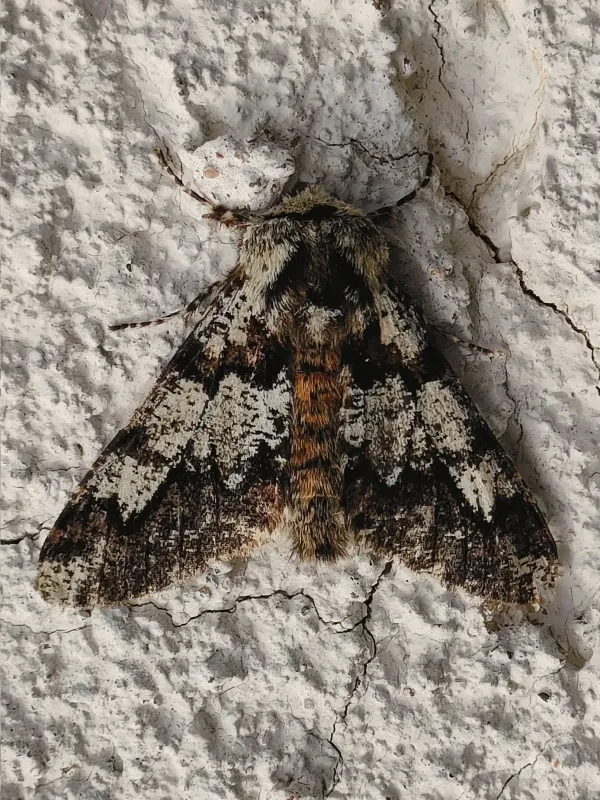
The Oak Beauty (Biston strataria) is a moth belonging to the Geometridae family. Adult moths feature a complex, speckled pattern of gray, brown, and black, providing excellent camouflage against tree bark, which is vital for their survival during the day.
These moths are known for their resemblance to tree textures. While the males and females have distinct differences in size, they both possess fully developed wings, allowing them to fly effectively across orchards and woodlands.
The larvae, commonly known as inchworms, reach lengths of 50-60 mm. Their bodies are adorned with bumps and ridges that make them look remarkably like small twigs, a camouflage technique that makes them difficult for predators and gardeners to spot.
Taxonomically, they are members of the Lepidoptera order. A defining characteristic of their biology is the limited number of prolegs, which forces them to move in a distinctive looping motion that gives the Geometridae family its common name.
The pupal stage occurs in the soil, typically at a depth of 10 to 15 centimeters. The dark brown, shiny pupae reside within protective earthern cocoons, which helps them survive winter temperatures before emerging as adults the following spring.
What it damages
The Oak Beauty is a polyphagous pest, meaning it feeds on a wide range of deciduous trees. While it frequently inhabits oak and birch forests, it poses a significant threat to cultivated fruit-bearing trees in orchards.
Common hosts include apple, pear, plum, and cherry trees. The caterpillars are known to feed aggressively on young foliage, flower buds, and even developing fruit, causing direct harm to the tree's health and potential harvest.
High populations can result in severe defoliation, where the caterpillars strip the tree of its leaves. This damage is most critical in spring when the tree needs maximum photosynthetic capacity to support early growth and fruit development.
Persistent infestations weaken the trees, making them more susceptible to subsequent environmental stress, such as drought, frost, or secondary attacks by other pests and pathogens that thrive on stressed plants.
Economically, the damage translates into reduced fruit yield and poorer quality of produce. In severe cases, repeated defoliation can lead to stunted growth or the eventual death of younger, more vulnerable trees.
When it appears
The Oak Beauty follows a univoltine life cycle, meaning there is only one generation per year. Adult moths emerge in early spring, often coinciding with the initial swelling of buds on host trees.
The larval stage occurs throughout late spring and early summer. During May and June, the caterpillars feed actively on fresh leaves, moving throughout the canopy in search of the most nutritious food sources.
Once the larvae reach maturity in late June or early July, they descend to the ground to pupate. The pupae remain dormant in the soil for the duration of the summer, autumn, and winter months.
The emergence time can fluctuate depending on the regional climate. An early, warm spring typically leads to an earlier flight of the adults, requiring growers to monitor their orchards carefully starting in late winter.
Because the life cycle is tightly synchronized with the phenology of host plants, orchard managers must align their monitoring and protective measures with the bud burst phase to ensure the highest effectiveness.
Signs of infestation
The most prominent sign of an infestation is the presence of irregular, ragged holes in the leaves. As the caterpillars grow, the size of these holes increases, often leading to complete leaf skeletonization.
Visual identification is challenging due to the caterpillar's camouflage. One might spot them by observing the branches closely; they often remain rigid during daylight hours to mimic twigs, only moving during the night or when disturbed.
Small, dark fecal pellets scattered on leaves or under the canopy are a clear indicator of larval presence. If you notice a high concentration of droppings, it is a sign that a population is actively feeding above.
Damaged buds that fail to bloom or show signs of being chewed from the base are also indicative of this pest's activity. Such damage is sometimes mistaken for weather-related issues, but close inspection reveals the cause.
- Ragged leaf margins or large holes in the foliage.
- Visible larvae mimicking twigs on branches.
- Presence of droppings (frass) under the tree canopy.
- Sparse or skeletonized foliage during late spring.
Control measures
Chemical control remains one of the most reliable methods. Applying insecticides during the bud burst phase or just before the flowering stage can effectively manage the larval population before they cause widespread damage.
Biological control methods, such as using Bacillus thuringiensis sprays, are environmentally friendly options. These are highly effective against younger caterpillars and help maintain a safer orchard ecosystem.
Cultural practices include disturbing the soil beneath the canopy during autumn or early spring. This exposes the pupae to birds and other predators, as well as to lethal freezing conditions, reducing the number of adults that emerge.
Installing sticky bands (tanglefoot) around the trunks of young trees acts as a physical barrier. This prevents larvae from crawling back up the tree after they have been dislodged or prevents crawling insects from reaching the canopy.
Encouraging beneficial birds, such as tits and warblers, by providing nesting boxes, is an excellent long-term strategy. These birds consume large quantities of caterpillars, helping to keep the pest population below the economic damage threshold.
Taxonomy
- Latin name
- Biston
- Order
- Lepidoptera (butterflies)
- Family
- Geometridae
- EPPO code
- BISTSP
Discussion
No discussions yet — be the first.