
Astylus variegatus
Astylus variegatus
Description
How to identify
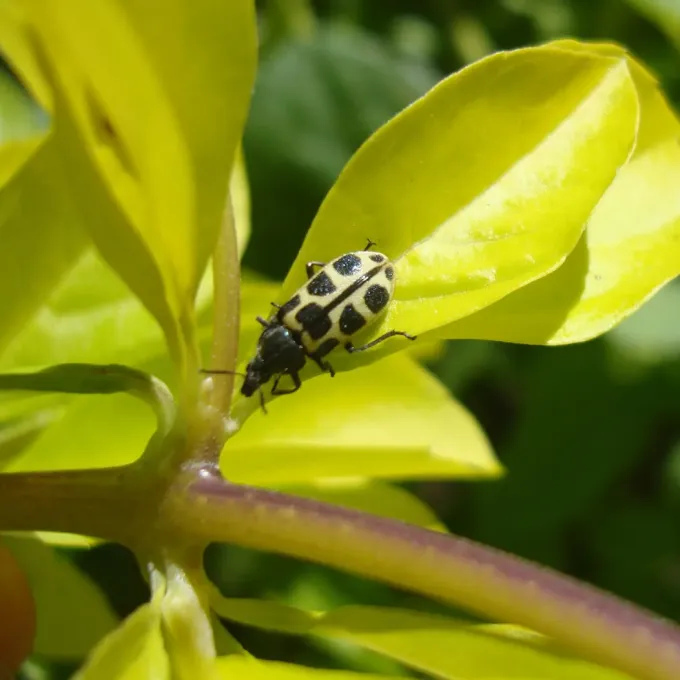
Astylus variegatus is a species of beetle belonging to the order Coleoptera and the family Melyridae. It is a small insect characterized by its distinct, colorful elytra, which feature yellow or orange markings against a dark, often metallic background.
The adult beetle has an elongated body covered in fine hairs, which provides protection against environmental stressors. The head and pronotum are typically darker than the elytra. They possess well-developed eyes, allowing them to search for food sources efficiently during daylight hours.
The biological development of this species is highly synchronized with the phenology of its host plants. Larvae generally develop in the soil or within organic matter, while the adults are the primary life stage that causes damage to the aerial parts of agricultural crops.
Population dynamics are heavily influenced by local climate conditions. Warm and dry weather patterns often lead to significant spikes in their population, necessitating proactive monitoring programs to prevent extensive damage during crop development.
Field identification is performed by entomologists using sweep nets. Captured specimens are then compared against established morphological descriptions to ensure correct identification, distinguishing them from other beneficial or neutral melirid beetles present in the ecosystem.
What it damages
Astylus variegatus is considered a significant pest for a variety of agricultural commodities. It primarily targets cereal crops, including wheat, corn, and sorghum, specifically feeding on the reproductive organs during the flowering phase.
The beetles consume anthers, pollen, and stigmas, which directly interferes with the pollination process. Consequently, this leads to poor seed set, yield reduction, and the production of malformed or shriveled grain that lowers the overall quality of the harvest.
In addition to cereals, the pest frequently damages the blossoms of soybeans, sunflowers, and other legumes. By devouring the tissues of buds and open flowers, the beetles cause them to drop prematurely, significantly impacting the potential yield.
During outbreak years, the density of beetles on individual plants can be extremely high. This leads to the total destruction of reproductive structures, resulting in severe economic losses for farmers if the infestation is not addressed promptly.
Furthermore, the physical damage caused by the beetles creates wounds that serve as entry points for secondary pathogens, such as fungi and bacteria. These infections can further compromise plant health and exacerbate the overall loss of yield.
When it appears
The appearance of adults in fields typically coincides with the flowering stage of susceptible crops. Depending on the geographical region, their activity starts in late spring or early summer, once temperatures are consistently favorable for their development.
The peak of their infestation usually aligns with the anthesis period of grasses or the flowering stage of leguminous crops. This is when the pest is most destructive, as it requires a high-protein diet to support its reproductive cycle.
Temperature is the primary driver of their life cycle speed. Hot, dry spells can accelerate the development of the beetle, leading to a massive emergence of adults that can suddenly overwhelm a crop field in a very short span of time.
The duration of the damage period generally lasts from three to five weeks. Once the flowering stage concludes and the grain begins to fill, the beetle population naturally declines as they seek other food sources or begin their transition to the next life stage.
Agronomists are advised to perform field scouting during the early morning hours. This is when the beetles are most visible and active, providing the most accurate assessment of the infestation level and the necessity for control interventions.
Signs of infestation
The most reliable sign of an infestation is the presence of adult beetles on the inflorescences or within the flower buds. A simple sweep of the crop or shaking the head over a collection surface will reveal the presence of these insects.
Damaged flowers exhibit clear evidence of herbivory, such as ragged petal edges, missing anthers, and damaged styles. Small black fecal pellets left behind by the beetles are often visible near the feeding sites on the plant.
In corn fields, adults congregate on the silks and tassels. Feeding on these structures prevents proper pollination, leading to incomplete grain development on the cobs, often resulting in sparse or missing kernels at the tips of the ears.
Premature bud drop that is not related to water stress or nutrient deficiency is another major indicator of Astylus variegatus activity. This is frequently accompanied by visible scarring on the pedicels of the flowers.
Fields suffering from high infestations may take on a bleached or ravaged appearance as the flowers are destroyed. This visual decline in plant condition is a critical alert for farmers to initiate immediate corrective measures to protect the yield.
Control measures
The management strategy for this pest relies on an integrated approach, combining cultural practices with chemical interventions. Effective field maintenance and weed control are essential to remove potential alternative hosts.
Chemical control is the most effective solution during high-pressure periods. The application of systemic or contact insecticides can rapidly reduce beetle populations and prevent further destruction of reproductive structures during the critical flowering period.
- Application of registered insecticides, such as pyrethroids or neonicotinoids, following specific labels.
- Timing applications to avoid harm to pollinators, particularly bees, by spraying in the late evening.
- Monitoring economic thresholds to determine the exact moment when chemical intervention becomes profitable.
Biological control involves conserving natural enemies, such as predaceous bugs, ground beetles, and parasitic wasps, which can naturally regulate pest numbers if the ecosystem is managed sustainably.
Continuous monitoring of fields is a mandatory component of successful crop protection. Early detection allows for targeted treatments, which helps in minimizing the total amount of pesticides used and promoting a more sustainable agricultural system.
Taxonomy
- Latin name
- Astylus variegatus
- Order
- Coleoptera (beetles)
- Family
- Melyridae
- EPPO code
- ASTYVA
Discussion
No discussions yet — be the first.