
Astylus
Astylus
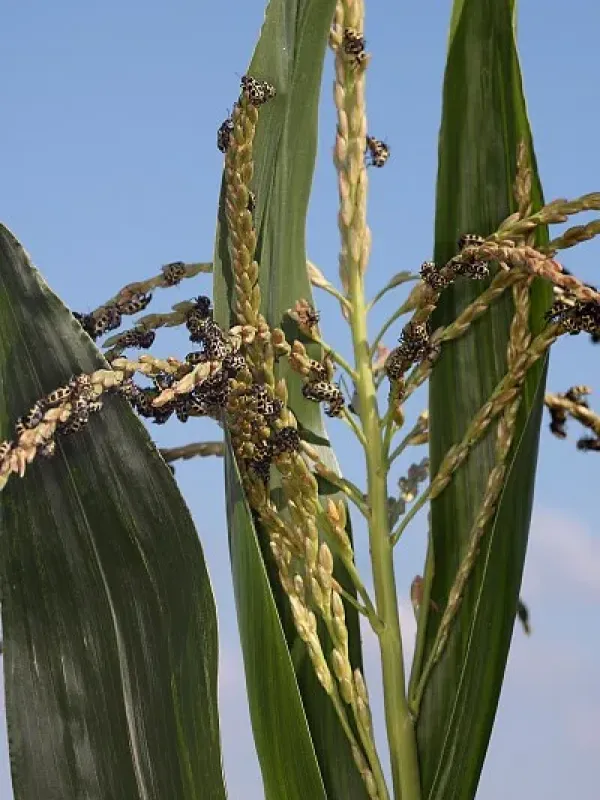
Description
How to identify
The genus Astylus belongs to the family Cantharidae (soldier beetles) or similar families depending on the classification. These are medium-sized beetles often characterized by vibrant, warning coloration patterns featuring combinations of yellow, orange, and black.
The body is elongated and slightly flattened, covered with fine hairs. The head is well-defined, and the antennae are thread-like, consisting of 11 segments. Adult beetles are primarily diurnal, exhibiting high activity during daylight hours.
Larvae have a campodeiform structure; they are highly mobile, possess well-developed thoracic legs, and have sclerotized cuticles. Their coloration is typically dark brown, which provides effective camouflage within the soil surface and leaf litter.
The life cycle involves complete metamorphosis: egg, larva, pupa, and adult. Adult beetles are polyphagous, frequently feeding on pollen and nectar, while the larval stage may exhibit phytophagous behavior or occasionally act as predators.
Systematically, the genus belongs to the order Coleoptera. It has significant economic importance in South America, where these beetles cause substantial losses to various field crops by damaging reproductive tissues.
What it damages
The pest affects a wide range of agricultural crops. Key targets include cereal and legume plants, specifically maize, soybean, wheat, and sunflower, where the beetles focus their feeding activity.
Adults prefer to feed on the reproductive parts of plants. They damage anthers, stigmas, and ovaries, which interferes with proper pollination and results in significant yield reduction.
Larvae inhabit the root zone or the soil surface, feeding on organic matter, but under conditions of high population density, they may also damage sprouts and the underground stems of young plants.
The primary economic harm occurs through the reduction of grain and cob quality. The feeding lesions caused by adults create entry points for secondary infections, including fungal pathogens and molds.
During mass outbreaks, Astylus can destroy a significant proportion of the plant's reproductive organs, leading to empty grains (poor grain set) and a sharp decline in the overall harvest volume.
When it appears
The emergence of adults in fields is synchronized with the active flowering stage of major crops. This is the period when beetles concentrate heavily on inflorescences and silks.
Mass flight typically occurs during the warmer months, aligning with the early pod-filling stage in soybeans or the silking stage in maize. Temperatures above 20-25°C significantly accelerate their metabolic rate.
The damage period lasts from the initial spike emergence or anthesis until the grain reaches the milk maturity stage. During this time, the beetles are highly active and migrate between neighboring fields.
The soil development cycle spans several months. Larvae overwinter in the soil at depths of 10-15 centimeters, allowing them to survive unfavorable winter conditions successfully.
Pupation occurs in spring or early summer. The emergence of adults from the soil is staggered, which necessitates consistent crop monitoring to determine the optimal timing for control applications.
Signs of infestation
The most reliable sign of an infestation is the presence of brightly colored beetles on inflorescences or cobs. They are easily visible on the light-colored parts of the plants during field inspections.
Massive feeding on anthers is observed, resulting in pollen shedding onto the leaves below. Damaged flower parts turn dark and wither rapidly due to tissue destruction.
Visual inspection often reveals gnawing damage on maize silk or soybean petals. In severe cases, beetles can be found hiding inside tightly wrapped corn husks.
An indirect sign of damage is poor kernel development or irregular grain fill. If high populations are detected during flowering, a decrease in yield should be expected.
- Damaged stigmas and styles.
- Beetles present inside closed corn husks.
- Reduced percentage of successful fertilization.
- Development of mold on damaged floral tissues.
Control measures
The primary method of control is the application of systemic or contact insecticides during the flowering period. Treatment must be applied before mass damage to reproductive organs occurs.
Strict adherence to pesticide application regulations is essential to avoid harming beneficial pollinators, as the activity of Astylus often overlaps with honeybee foraging.
Cultural control methods include deep autumn plowing (tillage), which destroys larvae overwintering in the upper soil layers and disrupts their developmental cycle.
Crop rotation and effective weed management on field margins help reduce alternative host plants, limiting the population growth and reservoir for adult beetles.
Monitoring population levels using pheromone or sticky traps helps determine the economic threshold for intervention, ensuring that control measures are both timely and cost-effective.
Taxonomy
- Latin name
- Astylus
- Order
- Coleoptera (beetles)
- Family
- Melyridae
- EPPO code
- ASTYSP
Discussion
No discussions yet — be the first.