
Anthocomus
Anthocomus
Description
How to identify
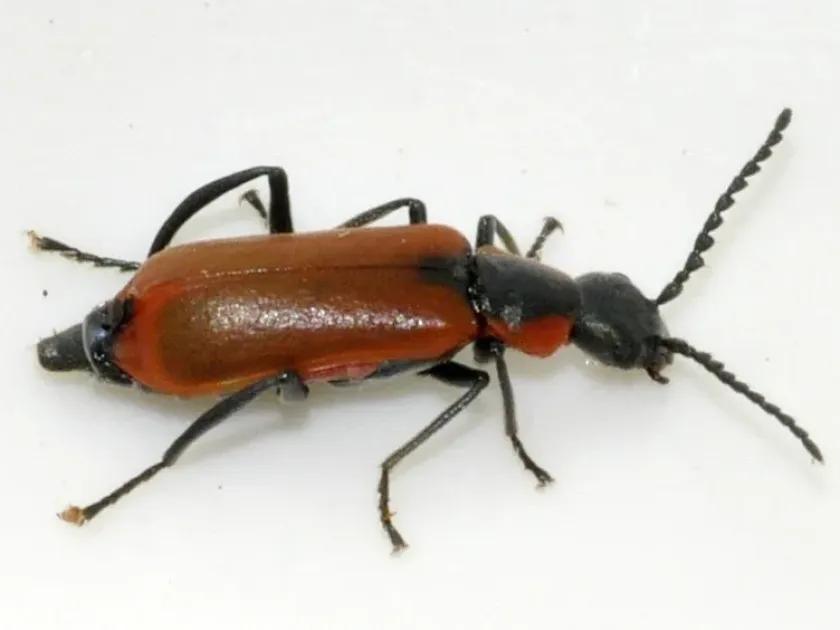
Anthocomus is a genus of beetles belonging to the family Melyridae (often associated with Cantharidae), within the order Coleoptera. These are small beetles with elongated bodies, typically displaying bright red and black coloration.
They possess soft, flexible elytra, which is why they are often referred to as soft-winged flower beetles. These beetles are highly mobile during the day and are strong fliers.
The life cycle is holometabolous, consisting of egg, larva, pupa, and adult stages. Larvae are generally predatory, often found in wood, under bark, or in soil, providing some ecological balance.
Adult beetles are commonly observed on flowering plants, where they feed on pollen and nectar, though they may become phytophagous when populations spike.
While various species exist within this genus, those occurring in orchards are of particular interest to agriculturalists due to their impact during the blooming season.
What it damages
The primary damage is caused by adults, which congregate on the flowers of fruit trees, including apples, pears, and plums, during their peak activity period.
They feed on the delicate parts of flowers, such as the stamens, pistils, and petals, effectively destroying the plant's reproductive organs.
This feeding behavior results in reduced fruit set, which leads to lower yields and economic losses for fruit producers.
When present in high numbers, these beetles can severely degrade the quality of blooming, causing flower drop and preventing successful pollination.
Despite the larval stage acting as a biological control agent for other pests, the damage caused by adults during the sensitive flowering stage is often significant.
When it appears
The emergence of adult Anthocomus beetles is synchronized with the flowering period of fruit trees in the spring, typically from late spring onwards.
They prefer warm weather, which triggers their mass emergence and flight activities across orchards and fields.
The duration of their active adult phase usually lasts several weeks, during which they mate and lay eggs before the population declines.
Agricultural monitoring should focus on the onset of the "pink bud" stage to anticipate the potential influx of these beetles.
Environmental factors like climate warming can cause shifts in their emergence, requiring constant field scouting to manage the risk effectively.
Signs of infestation
Visible signs of an Anthocomus infestation include the presence of numerous red and black beetles on flower clusters and buds.
One can identify their activity by observing ragged petals and damaged internal flower parts, which often turn brown or wither prematurely.
Premature flower drop and an unusual lack of fruit set are strong indicators of significant beetle feeding activity in the canopy.
- Ragged and chewed flower petals.
- Presence of colorful, active beetles on blossoms.
- Premature withering of flower organs.
Field scouting during the day is the most effective way to detect their presence before the damage becomes irreversible.
Control measures
Managing Anthocomus requires an integrated approach that balances chemical interventions with non-chemical preventative measures.
Chemical applications are strictly avoided during full bloom to ensure the safety of honeybees and other essential pollinators.
If economic thresholds are exceeded, targeted applications of systemic insecticides should be applied prior to the flowering stage.
Supporting local predator populations and maintaining clean orchard practices, such as removing old bark and debris, helps manage the larval population.
Proper orchard sanitation is key to reducing the number of overwintering sites, which decreases the likelihood of a massive emergence in the spring.
Taxonomy
- Latin name
- Anthocomus
- Order
- Coleoptera (beetles)
- Family
- Melyridae
- EPPO code
- ANTMSP
Discussion
No discussions yet — be the first.