
Ascotis looper
Ascotis
Description
How to identify
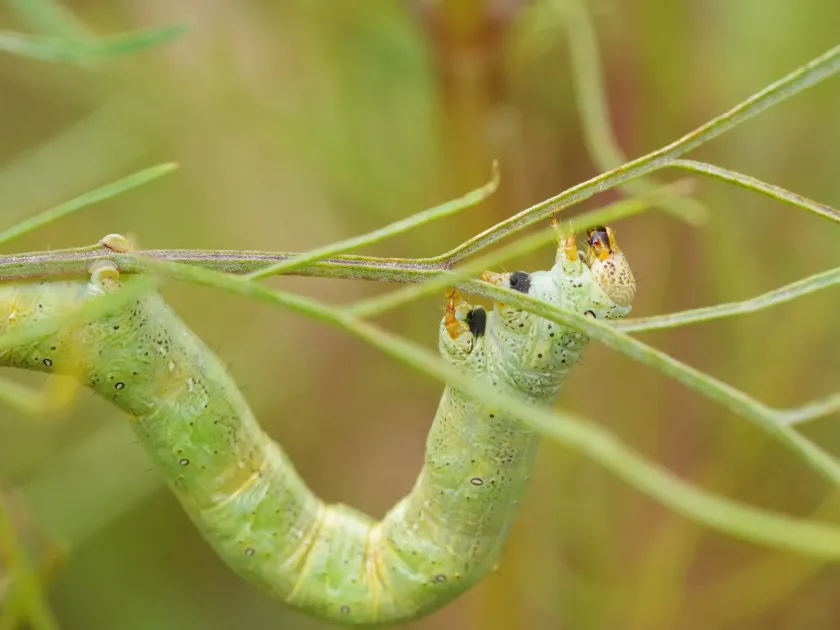
The Ascotis looper (Ascotis selenaria) is a member of the Geometridae family, known for the unique inchworm movement of its larvae.
The adult moth has a wingspan of approximately 40–45 mm, with a coloration that mimics bark or dead foliage to provide effective camouflage.
Larvae typically possess a slender body that can reach 50 mm in length, often appearing in green or brown shades to blend with host plants.
Pupation occurs in the soil, where the pupae remain dormant through the winter, protected by the top layer of earth from adverse weather.
Identifying the species is crucial for growers as their appearance changes significantly through their life cycle stages from egg to moth.
What it damages
This pest is highly polyphagous, attacking a variety of crops including soybeans, cotton, lucerne, and numerous vegetable garden varieties.
The larvae feed voraciously on leaves, which leads to significant defoliation and reduces the photosynthetic capacity of the plants.
In addition to foliage, larvae may attack young shoots and fruit buds, potentially causing permanent damage to the future yield quality.
Heavy infestations can lead to total crop failure, especially in young plants that cannot withstand high levels of defoliation.
Growth retardation and increased plant stress make the affected fields more susceptible to secondary infections and diseases.
When it appears
Adult moths typically emerge in late spring when temperatures are consistently warm enough to support reproductive activity.
The species usually completes multiple generations within a single growing season, increasing the pressure on crops throughout the summer.
Larval activity peaks during the mid-to-late summer months, coinciding with the rapid vegetative growth phase of many agricultural crops.
As autumn approaches, the final generation pupates in the soil, ensuring the survival of the population through the winter period.
Monitoring for egg-laying adults is essential in early summer to prevent the buildup of the subsequent larval populations.
Signs of infestation
Initial signs of damage appear as irregular holes in leaves, often starting at the edges and progressing inward toward the leaf veins.
Because the larvae are masters of camouflage, they are often difficult to spot during the day, requiring close visual inspection of the plant canopy.
Frass (larval droppings) visible on leaves or on the ground beneath the plant is a definitive indicator of an active larval infestation.
Defoliated stems and missing leaf tissue are primary visual symptoms that indicate the presence of high populations in the field.
- Irregular feeding patterns on leaf margins
- Visible frass on lower leaves
- Larvae resting in a twig-like position
- Stunted plant growth and reduced vigor
Control measures
Deep autumn plowing is a recommended cultural practice to disrupt the pupation cycle and expose overwintering pupae to the environment.
The use of pheromone traps provides valuable data for timing control measures to coincide with the peak periods of adult moth activity.
Biological control agents, such as specific entomopathogenic bacteria, are effective against early larval stages and are environmentally friendly.
When infestation levels cross the economic threshold, targeted insecticide applications are necessary to protect the standing crop from severe loss.
Maintaining clean field borders by removing weeds reduces the alternative host plants, effectively limiting the spread of the moth population.
Taxonomy
- Latin name
- Ascotis
- Order
- Lepidoptera (butterflies)
- Family
- Geometridae
- EPPO code
- ASCTSP
Discussion
No discussions yet — be the first.