
Arichanna
Arichanna
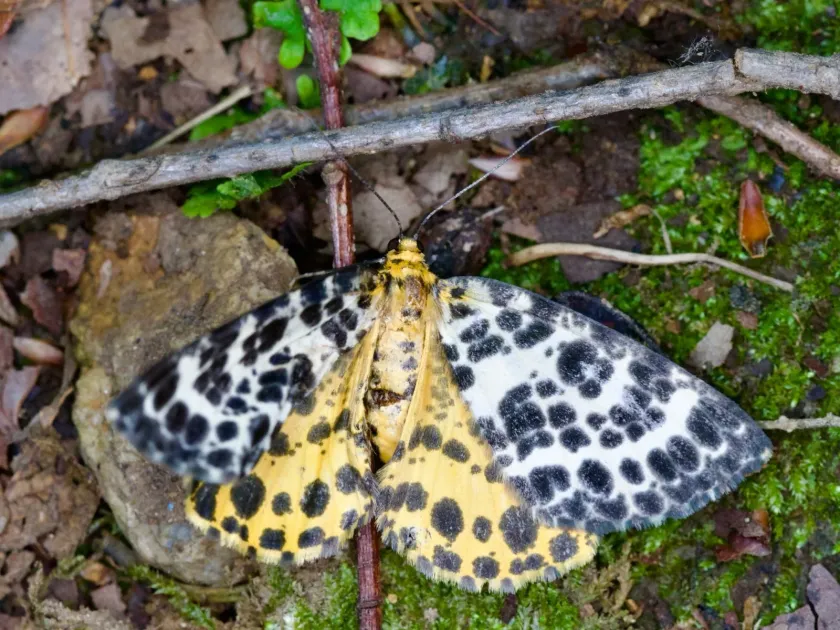
Description
How to identify
Arichanna is a genus of moths belonging to the Geometridae family, order Lepidoptera. Adult moths are typically medium-sized with protective coloration that allows them to mimic tree bark or moss, making them highly effective at avoiding detection during the day.
The larvae, known as loopers or inchworms, have a unique way of moving by drawing their hind legs up to their front legs, creating a characteristic loop shape. Their bodies are often camouflaged in shades of green or brown, perfectly matching the foliage of their host plants.
The life cycle involves a complete metamorphosis, progressing through egg, larval, pupal, and adult stages. Depending on the species, they commonly overwinter as pupae hidden in soil litter or as eggs deposited on the bark of host trees.
Adult moths feature slender bodies and wide wings. In males, the antennae are often pectinate (comb-like), which increases the surface area for detecting female pheromones across long distances during the night.
Taxonomic identification can be complex due to the high phenotypic plasticity of the species within the genus. Agronomists often rely on the distinct movement of larvae and the specific type of foliage damage to identify the presence of Arichanna in the field.
What it damages
The larvae are active phytophages that cause significant damage to the plant's vegetative organs. They feed primarily on leaves, removing large sections of the lamina and leading to early leaf fall and reduced overall health of the plant.
During outbreaks, these larvae can cause complete defoliation of trees and shrubs. This sudden loss of photosynthetic area severely stresses the plant, reducing its ability to accumulate reserves and making it more susceptible to drought and pathogens.
For orchard crops, the damage extends to young fruitlets and flower buds. This direct consumption of reproductive structures leads to a measurable reduction in yield quantity and quality, often ruining the commercial value of the crop.
In forest management, Arichanna species can weaken young stands. Prolonged infestations over multiple growing seasons can exhaust the tree's metabolic resources, often culminating in the decline of branches or the death of the entire tree.
The harm is exacerbated when plants are already under environmental stress. In such conditions, the damage caused by the pest becomes a critical factor that determines the survival of the affected plant.
Signs of infestation
The primary visual sign of Arichanna presence is the appearance of jagged or notched leaves. As the larvae mature, their consumption rate increases significantly, often leaving only the main veins behind in severely infested areas.
Frass (larval droppings) appearing on the ground beneath the canopy is a strong indicator of an active population feeding in the upper sections of the tree. This often precedes visible signs of defoliation.
When inspecting branches, one may notice the larvae resting in a rigid, stick-like posture. They often utilize silken threads to secure themselves, which can sometimes be seen catching light in the early morning.
The flight of adult moths can be monitored using light traps or pheromone baits. The number of moths captured serves as an early warning system for agronomists, allowing for timely intervention before larval hatching.
- Characteristic notched or skeletonized leaves on the host plant.
- Frass accumulation under the canopy of trees or shrubs.
- Presence of loop-shaped caterpillars on the undersides of leaves.
- Damage to developing buds or young fruit during the growing season.
Control measures
Biological control is the preferred strategy, utilizing microbial insecticides such as those based on Bacillus thuringiensis. These are highly specific to lepidopteran larvae and pose minimal risk to beneficial insects and the environment.
Chemical control should be employed only when monitoring reveals that the population has crossed the economic threshold. Treatment with selective insecticides is best performed during the evening to avoid exposing pollinators to toxic residues.
Cultural practices are vital, including the removal of leaf litter and debris from the base of the plants, which serves as a crucial overwintering site for pupae. Autumnal soil cultivation can significantly reduce the overwintering population.
The use of pheromone traps can effectively disrupt the mating process by flooding the area with female scents, thereby reducing the number of fertile eggs laid. This method is highly effective for long-term population management.
Encouraging biodiversity by providing habitats for birds and predatory insects is a sustainable long-term strategy. These natural enemies act as a buffer against pest outbreaks, maintaining the population of Arichanna at a non-damaging level.
Taxonomy
- Latin name
- Arichanna
- Order
- Lepidoptera (butterflies)
- Family
- Geometridae
- EPPO code
- ARICSP
Discussion
No discussions yet — be the first.