
Fritillary
Argynnis
Description
How to identify
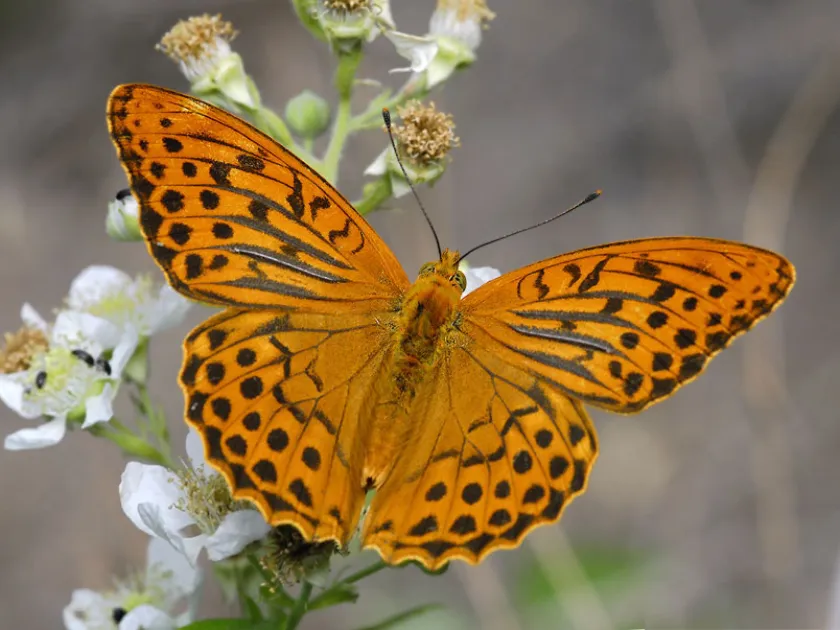
Fritillaries (genus Argynnis) are large butterflies within the Nymphalidae family. Adults are easily recognized by their vibrant orange wings, decorated with distinct black patterns and silver spots on the undersides.
The larvae, or caterpillars, have a dark, spiny appearance, which serves as a defensive mechanism against predators. They are typically active during the warm months, undergoing a complete metamorphosis.
The life cycle begins with eggs laid near host plants, followed by a feeding larval stage, pupation, and the emergence of adult butterflies. Most species overwinter as young larvae in plant debris.
While adult butterflies are pollinators, their larvae are recognized as pests in certain ornamental and agricultural contexts due to their feeding habits on foliage.
Proper identification of the larvae is crucial, as their spiky bodies distinguish them from many other common garden caterpillars that may not pose the same risk.
What it damages
The primary damage is caused by the caterpillars, which possess chewing mouthparts. They feed on leaves, often skeletonizing them or causing irregular, large holes.
Plants within the Violaceae family, such as ornamental violets and pansies, are the preferred food sources. When populations are high, these plants can be completely defoliated.
In addition to ornamental flowers, the larvae may occasionally impact other garden crops if their preferred hosts are scarce or if the infestation density is particularly high.
Heavy feeding weakens the overall structure of the plant, reduces its vigor, and makes it susceptible to opportunistic fungal or bacterial infections.
Severe infestations can lead to stunted growth or the total loss of ornamental value, which is particularly detrimental for commercial flower gardens or home landscaping.
Signs of infestation
Early signs of an infestation include the appearance of irregular holes in leaves, often starting from the edges and progressing inwards.
Fecal pellets (frass) found on the foliage or at the base of the plant are clear indicators of caterpillar feeding activity in the immediate vicinity.
Direct sightings of the spiny larvae on the undersides of leaves or along the stems during the day or dusk are definitive signs of their presence.
Wilted or deformed leaves, resulting from concentrated feeding near the growth points, are common symptoms of an ongoing larval attack.
The presence of silken threads or rolled leaves where the caterpillar intends to pupate can be observed as the lifecycle nears completion.
Control measures
Hand-picking caterpillars during the early morning or evening hours is highly effective for small-scale infestations and home gardens.
Biological control methods, such as applying products based on Bacillus thuringiensis, provide a targeted and environmentally friendly way to reduce caterpillar numbers.
Broad-spectrum chemical insecticides should be used as a last resort, as they may also harm beneficial insects and pollinators that share the same habitat.
Maintaining a clean garden by removing weeds—particularly wild violets—helps to disrupt the life cycle of the pest and limits available breeding grounds.
Encouraging natural predators, such as insectivorous birds, spiders, and predatory beetles, can help keep the population of Argynnis under natural control.
Taxonomy
- Latin name
- Argynnis
- Order
- Lepidoptera (butterflies)
- Family
- Nymphalidae
- EPPO code
- ARGNSP
Discussion
No discussions yet — be the first.