
Apomecyna histrio
Apomecyna histrio
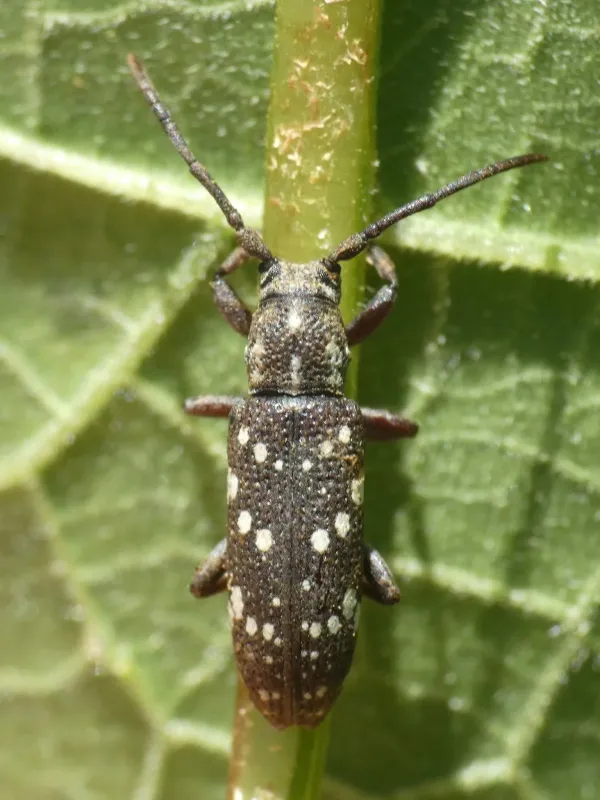
Description
How to identify
Apomecyna histrio is a species of longhorn beetle (Cerambycidae) known for its association with various plant species. Adult beetles typically reach 10 to 15 mm in length, featuring an elongated body covered in fine hairs with a distinct spotted pattern on the elytra.
Their long antennae are a diagnostic feature of the family. The beetles are primarily nocturnal, often remaining hidden on the stems or under leaves during the daylight hours to avoid predators and excessive sunlight.
Larvae are cylindrical, legless, and white or cream-colored, equipped with sclerotized mouthparts designed for burrowing. They spend their entire developmental period inside the plant tissue, which provides them with both protection and constant food.
The life cycle involves complete metamorphosis, including egg, larval, pupal, and adult stages. Under favorable conditions, the population can increase rapidly, leading to significant outbreaks in vulnerable crop fields.
Understanding their phenology is essential for successful management, as the timing of control measures must align with the adult activity and the egg-laying period to be most effective.
What it damages
The primary hosts of Apomecyna histrio are plants within the Cucurbitaceae family, including cucumbers, melons, and squashes. The beetle is considered a serious agricultural pest due to its destructive larval habits.
Larvae bore into the stems of the host plants, creating galleries that disrupt the vascular system. This blockage prevents water and nutrients from reaching the upper parts of the plant, leading to wilting and death.
Adult beetles may cause minor damage by feeding on foliage or young shoots, but the most severe economic losses are caused by the internal stem feeding of the larval stages.
Damaged plants often become susceptible to various fungal and bacterial pathogens that enter through the entry points created by the beetles, further exacerbating the plant's decline.
Infestations can lead to total crop loss if not detected early. The weakened stems are prone to breaking under the weight of fruits or even moderate wind, rendering the plant unproductive.
Signs of infestation
The most prominent sign of an Apomecyna histrio infestation is the sudden wilting of the vines, which often occurs despite adequate irrigation. This is a clear symptom that the internal transport system of the plant is compromised.
A closer inspection of the base of the stem often reveals small holes or external scarring, which indicate where adult females have laid their eggs or where larvae have entered the plant.
Accumulation of "frass" (a mixture of excrement and wood/plant dust) near the entry points on the stem is a highly reliable indicator of active larval feeding occurring inside the plant tissue.
Stems may feel soft or appear slightly swollen and discolored at the site of infestation, indicating the presence of tunnels and tissue decay inside the woody or herbaceous stem structure.
In cases of advanced infestation, splitting the stem lengthwise will reveal clear galleries, necrotic tissue, and the presence of the larvae or pupae themselves, confirming the identity of the pest.
Control measures
Effective management begins with strict sanitation practices. Removing and destroying infested plant material immediately after harvest is crucial to reduce the population of larvae and pupae remaining in the field.
Crop rotation is a highly recommended strategy. By moving cucurbit crops to different fields every few years, growers can effectively break the life cycle of the beetle and limit its ability to re-establish.
Chemical control involving systemic insecticides is necessary when adult beetle populations reach economic thresholds. Applications should be timed with the peak emergence of adults to target them before egg-laying begins.
Integrated Pest Management (IPM) techniques, such as the use of light traps or pheromone-based monitoring, can provide early warnings and help in determining the optimal window for targeted interventions.
- Deep plowing of the soil post-harvest to expose and destroy overwintering stages.
- Removing weed hosts that belong to the Cucurbitaceae family.
- Ensuring healthy, vigorous plant growth through balanced fertilization to help plants tolerate minor infestations.
Taxonomy
- Latin name
- Apomecyna histrio
- Order
- Coleoptera (beetles)
- Family
- Cerambycidae
- EPPO code
- APOMHI
Discussion
No discussions yet — be the first.