
Aneflomorpha
Aneflomorpha
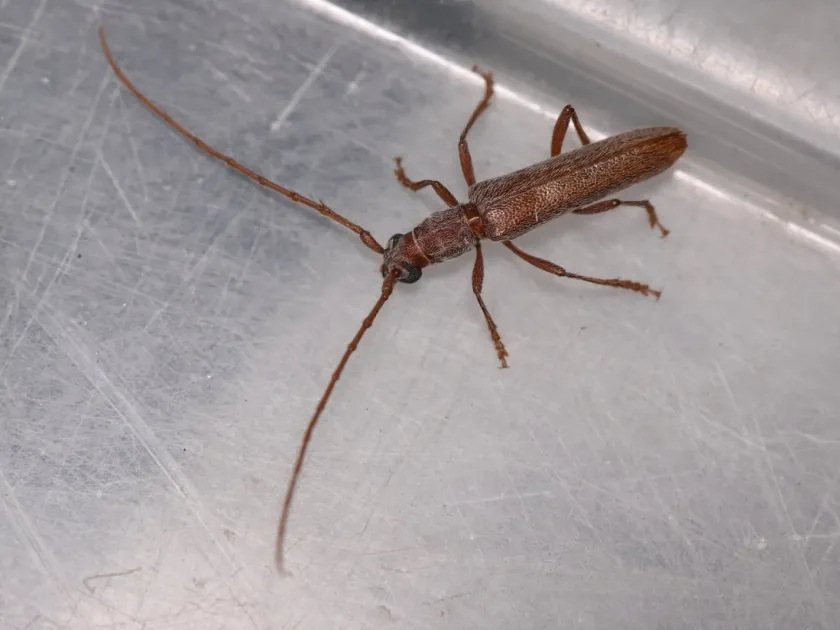
Description
How to identify
The genus Aneflomorpha belongs to the long-horned beetle family (Cerambycidae), specifically the subfamily Cerambycinae. Adult beetles are characterized by an elongated, slender body, long antennae, and typically brownish or yellowish coloration, which provides camouflage on tree bark.
The larvae are specialized xylophages, meaning they feed on wood. They are legless, whitish grubs with powerful mandibles designed for excavating tunnels through hardened plant tissue, making them highly efficient wood-borers.
Species identification is often challenging due to their cryptic, hidden lifestyle. Entomologists typically differentiate species based on specific morphological traits, such as the structure of the pronotum, antenna length, and the distinct patterns found on the elytra.
The life cycle of Aneflomorpha is closely tied to the physiological state of the host tree. They preferentially colonize stressed, weakened, or freshly felled timber. Adults are primarily crepuscular or nocturnal, making them difficult to observe during daylight hours.
Pupation occurs deep within the wood in specially constructed pupal chambers. After metamorphosis, the adult beetle bores an exit hole to the surface, which is often the most visible evidence of their presence in the timber.
What it damages
Aneflomorpha primarily attacks deciduous hardwood species, including oak, hickory, and other valuable trees. While they favor stressed or dying trees, large populations can occasionally overwhelm healthy specimens in managed forests or orchards.
The primary damage is caused by larvae boring galleries through the phloem, cambium, and sapwood. This disruption of the vascular system prevents the flow of nutrients and water, eventually causing branch dieback or total tree mortality.
Infested timber suffers a significant decrease in structural integrity and commercial value. The tunnels created by the larvae provide entry points for opportunistic fungal pathogens and secondary insect pests, accelerating the decay process.
In nurseries, Aneflomorpha larvae can be devastating to saplings. Tunneling through the main stem often results in structural deformation, stunted growth, or the total loss of the plant due to girdling.
The economic impact is most pronounced in areas with poor forest sanitation. Accumulation of downed or damaged wood provides ideal breeding sites, leading to population explosions that can threaten surrounding healthy stands.
When it appears
Adult emergence typically occurs during the summer months, coinciding with the peak growing season for their host plants. The exact timing is highly dependent on local climate conditions and heat accumulation (degree days).
Oviposition occurs when females deposit eggs into cracks, crevices, or mechanical wounds in the bark. They are highly selective, choosing sites where the underlying cambium is most accessible for the hatching neonate larvae.
Larval development is a multi-stage process that can take anywhere from one to several years depending on the species and environmental factors. Larvae overwinter deep within the wood, which insulates them from freezing temperatures.
Adult beetles emerge through clean-cut, oval, or circular holes. Peak emergence often happens on warm, dry days, which facilitate the high activity levels required for mate searching and flight in nocturnal conditions.
Monitoring the flight period is essential for effective pest management. Professionals use light traps or pheromone lures to estimate population density and determine the best timing for protective interventions.
Signs of infestation
The earliest signs of infestation are small circular holes on the bark surface. These are often accompanied by piles of "frass"—a mixture of wood shavings and larval excrement pushed out of the tunnels by the feeding larvae.
Initial colonization often manifests as yellowing, wilting, or premature leaf drop on specific branches. This indicates that the larval galleries have successfully severed the conductive vessels in that specific section of the tree.
Bark splitting, localized swelling, or necrotic patches are common indicators of larval activity underneath. Removing a small portion of the bark in these areas will typically reveal the extensive gallery system.
Gallery patterns are distinct for different species and serve as a diagnostic tool for researchers. Mapping these tunnels helps determine how long the infestation has been present and the potential scale of the damage.
In quiet night conditions, intensive feeding activity can sometimes be detected by the subtle scraping or crunching sounds of larval mandibles working through the wood, a common sign of a well-established colony.
Control measures
Strict forest sanitation is the cornerstone of control. Removing and properly disposing of infested or weakened trees before the next emergence cycle is the most effective way to manage population levels.
Chemical control is generally reserved for high-value ornamental trees or nursery stock. Systemic insecticides injected into the trunk or applied as canopy sprays can be used to prevent or suppress colonization in valuable specimens.
Biological control relies on preserving natural enemies such as woodpeckers and various parasitoid wasps. Maintaining a healthy forest ecosystem with high biodiversity naturally keeps Aneflomorpha populations in check.
Proper pruning of damaged or dead branches reduces the number of suitable oviposition sites. Maintaining tree vigor through appropriate fertilization and watering makes them significantly less attractive and more resilient to boring beetles.
- Regular phytosanitary surveys of stands.
- Prompt removal of freshly infested timber.
- Use of trap trees to aggregate beetles for destruction.
- Strict quarantine compliance for wood transport.
Taxonomy
- Latin name
- Aneflomorpha
- Order
- Coleoptera (beetles)
- Family
- Cerambycidae
- EPPO code
- ANEFSP
Discussion
No discussions yet — be the first.