
Mallard
Anas platyrhynchos
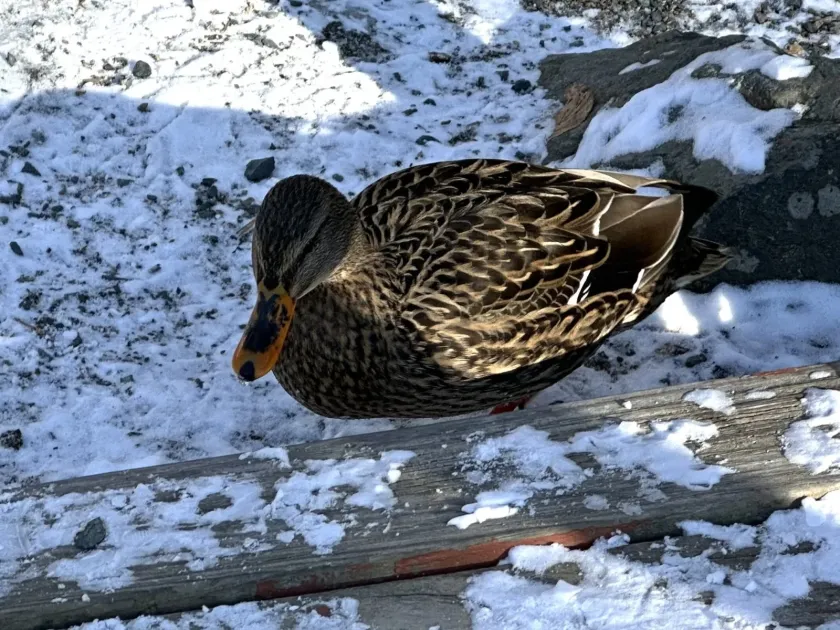
Description
How to identify
The Mallard (Anas platyrhynchos) is a medium-sized waterfowl species of the family Anatidae, widely distributed across the northern hemisphere.
Drakes are easily recognized by their glossy green heads, white neck rings, and yellow bills, while females possess mottled brown plumage for concealment.
They are dabbling ducks, characterized by their feeding habit of tipping forward in water to graze on aquatic vegetation and occasionally foraging on land.
Mallards are highly adaptable and thrive in diverse habitats, including agricultural landscapes that feature wetlands, ponds, or irrigation systems.
The species is social, often forming large flocks during the post-breeding and migration periods, which increases the impact on nearby agricultural fields.
What it damages
Mallards cause significant economic loss by grazing on cereal crops, especially wheat and barley, during the milk-to-dough stage of grain development.
They damage crops by trampling plants, breaking stems, and feeding on fallen grains or directly on the seed heads, often leaving circular damaged patches.
In addition to cereals, they may consume young seedlings of various vegetables and leafy greens when fields are flooded or situated on low-lying ground.
Feeding flocks not only remove the plant material but also contaminate the field with fecal matter, potentially compromising food safety and crop quality.
The most severe damage typically occurs in fields adjacent to water bodies where the birds feel secure and can retreat quickly if disturbed.
When it appears
The pest activity of mallards peaks during the spring planting season when they feed on emerging shoots, and again during the harvest season.
In late summer, as the grain ripens, mallards frequently move from marshes and ponds into agricultural fields to forage in large groups.
Migration patterns in autumn also lead to increased bird numbers in specific agricultural regions, causing localized but intensive grazing pressure.
The duration and intensity of the damage depend on the local weather conditions, specifically the availability of natural forage in nearby wetlands.
Wintering flocks can also impact fields with winter crops, grazing on tender shoots before the onset of extreme cold weather.
Signs of infestation
The most prominent sign of a mallard infestation is the presence of flattened, trampled areas of crops near water sources or field boundaries.
Characteristic webbed footprints on soft soil, along with shed feathers, are clear indicators that a flock has been present on the field.
Visible clusters of fecal deposits on the ground and remnants of chewed or partially consumed grain heads provide further evidence of foraging activity.
Aggressive foraging behavior often results in distinct bare patches in the middle of a dense crop canopy, which expands as the flock returns daily.
Early morning and dusk observations of flocks landing or flying over the fields are reliable ways to confirm the presence of these avian pests.
Control measures
The use of auditory deterrents, such as propane cannons and bioacoustic devices that broadcast predator calls, is often effective for short-term protection.
Visual deterrents, including reflective tape, predator decoys, and high-visibility scarecrows, help discourage ducks from landing in critical crop zones.
Effective management also involves agricultural practices, such as rapid harvesting of mature crops and post-harvest plowing to minimize food availability.
Maintaining clear buffers between active irrigation ponds and high-value crop fields can reduce the frequency of duck intrusion.
- Implementing integrated bird management strategies to prevent habituation.
- Regular field monitoring during the most vulnerable crop development phases.
- Coordinating with local wildlife authorities to identify non-lethal dispersal methods.
Taxonomy
- Latin name
- Anas platyrhynchos
- Family
- Anatidae
- EPPO code
- ANAXPL
Discussion
No discussions yet — be the first.