
Duck
Anas
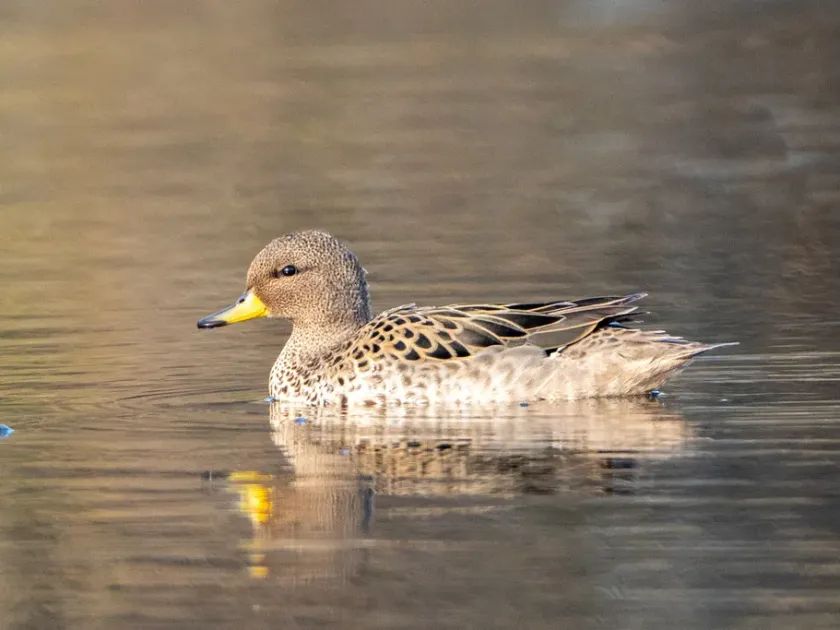
Description
How to identify
Ducks (genus Anas) are aquatic birds belonging to the family Anatidae, order Anseriformes. While generally part of the ecosystem, wild ducks, such as mallards, can become problematic pests in agricultural landscapes.
Physiologically, these birds are adapted for swimming and dabbling, featuring broad beaks with lamellae for filtering food. This adaptation allows them to consume a wide range of seeds and vegetation in flooded fields.
Ducks are highly mobile and exhibit gregarious behavior, often traveling in large flocks. This behavior leads to sudden and concentrated damage to specific plots of farmland located near wetlands.
Their life cycle involves seasonal migrations, meaning their presence in agricultural areas is often timed with critical stages of crop development, such as germination or maturation.
As opportunistic feeders, they quickly adapt to new food sources provided by agricultural practices, making them a recurring challenge for many farmers located in low-lying or riparian areas.
What it damages
Ducks primarily damage cereal crops, including wheat and barley, as well as rice in paddy fields. They consume both freshly sown seeds and developing grain during the milk and dough stages.
In rice farming, damage is particularly severe. Ducks uproot young seedlings and consume them, leading to significant thinning of the stand and potentially forcing replanting.
Mechanical damage is a major concern. As large flocks land and move through the fields, they trample the crops, causing lodging and creating entry points for secondary fungal and bacterial infections.
The accumulation of bird excrement in field areas compromises crop hygiene, which can lead to quality downgrades and contamination issues for grain destined for human consumption.
The aggregate effect of grazing and trampling results in direct yield losses that can be substantial, especially when the fields are adjacent to nesting or resting grounds.
When it appears
The period of spring migration marks a significant increase in activity, as birds seek accessible high-energy food sources to regain weight before the breeding season.
Summer is characterized by the presence of growing ducklings, which remain close to water sources but frequently venture into adjacent fields to graze on succulent vegetation.
Autumn is the peak time for damage to winter-sown crops. As natural food supplies dwindle, ducks capitalize on the lush, nutritious shoots of winter grains.
Diurnal activity patterns often show the birds feeding intensively during early morning and late evening, which is the optimal time for monitoring their movements.
Climatic factors, such as unusually cold winters or prolonged flooding, can extend the duration and intensity of the feeding pressure exerted by ducks on arable land.
Signs of infestation
Distinctive webbed footprints left in soft soil or mud are the most immediate indicators of duck presence in a field.
The presence of scattered feathers, particularly during molting seasons, confirms that the birds are frequenting the site for extended periods.
Torn or partially consumed seedlings floating in irrigation water are classic signs of duck activity in rice paddies or flooded cereal fields.
Patches of flattened, trampled crop vegetation provide evidence of resting or feeding sites, often accompanied by characteristic fecal matter.
Audible vocalizations during dusk or dawn confirm the presence of a flock, signaling that the area has become a preferred feeding ground.
Control measures
Management strategies focus on non-lethal, preventative measures, as many wild duck populations are protected by conservation laws and regulations.
- Deploying propane cannons and acoustic deterrents to mimic predator threats.
- Installing visual deterrents like predator decoys and reflective bird-scaring tape.
- Using specialized netting for high-value crops in susceptible low-lying zones.
- Employing agricultural drones to patrol and displace flocks before they settle.
- Managing irrigation schedules to reduce the duration of standing water where possible.
Long-term planning involves monitoring the populations in nearby water bodies to anticipate potential shifts in pressure before the planting season begins.
Strategic planting, such as establishing buffer zones with less palatable crops, can help divert bird activity away from the primary productive areas of the farm.
Taxonomy
- Latin name
- Anas
- Family
- Anatidae
- EPPO code
- ANAXSP
Discussion
No discussions yet — be the first.