
Blue-winged teal
Anas discors
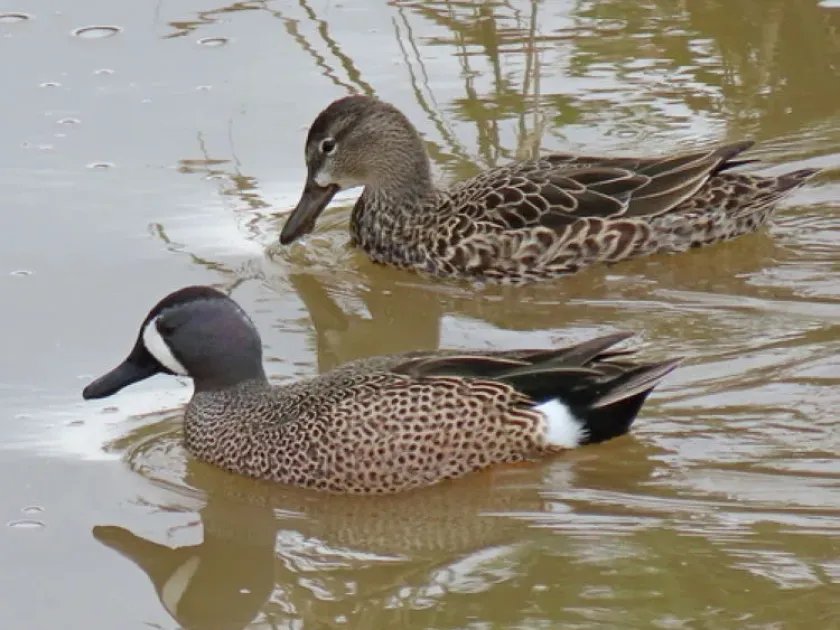
Description
How to identify
The Blue-winged teal (Anas discors) is a small dabbling duck belonging to the family Anatidae. It is easily identified by the distinct chalky-blue patch on its wings, which is visible during flight.
Males are characterized by a prominent white crescent on their face during the breeding season. The birds are relatively small, typically reaching a length of about 35–40 centimeters and weighing around 500 grams.
As migratory birds, they inhabit shallow wetlands, marshes, and ponds. In agricultural regions, they frequently utilize flooded fields, which can lead to significant interactions with farming operations.
Their biological cycle is heavily linked to seasonal migration between breeding grounds in North America and wintering sites in Central and South America. During migration, they rely heavily on high-energy food sources.
They are social birds that often form large flocks, especially during the non-breeding season. This congregational behavior increases the potential risk to agricultural areas that provide suitable feeding grounds.
What it damages
The primary agricultural threat posed by the Blue-winged teal is the consumption of rice seeds and young seedlings in flooded fields. They can significantly reduce plant density by feeding on freshly sown crops.
Mechanical damage is caused by the birds trampling through the mud and shallow water, which destroys young plant shoots and disturbs the soil structure. This often leads to uneven crop stands.
Water quality degradation is another issue, as the presence of large flocks leads to the accumulation of fecal matter in irrigation channels and fields, negatively impacting the crop environment.
In addition to rice, these ducks may occasionally feed on other grains such as millet or sorghum in river floodplains. The extent of the damage is usually most severe shortly after sowing.
Economic losses include not only the cost of the lost seed but also the extra expenses incurred from re-seeding the damaged areas and the potential reduction in final yield per hectare.
When it appears
The peak risk period for agricultural damage occurs during the spring migration, which frequently coincides with the rice planting season. This is when the birds are most active in searching for accessible food.
A secondary period of concern is the autumn migration, when large numbers of birds gather before departing for their wintering grounds. During this time, they may forage in post-harvest fields or remaining late-season crops.
Environmental conditions play a crucial role, as drought years force birds to congregate in irrigated agricultural lands due to the lack of natural shallow water habitats.
Diurnal activity patterns include early morning and late evening feeding sessions. Understanding these timings is vital for farmers to effectively monitor their fields and implement scare tactics.
The duration of their stay on a specific field depends on the level of disturbance and food availability. Effective management requires consistent monitoring during these migratory windows.
Signs of infestation
Visible signs of infestation include bare patches in flooded fields where seeds or sprouts have been consumed. Surrounding these areas, one can often find uprooted or crushed plant material.
Footprints left in the soft mud along the edges of the fields are a clear indicator of duck activity. These tracks differ from those of other wildlife and provide evidence of the flock's size.
The presence of water turbidity and fecal deposits on the edges of channels indicates that a large group of ducks has been foraging in the vicinity, which is a warning sign for potential crop loss.
Visual identification of the birds, often accompanied by the distinct whistling sound they make while flying, is the most reliable way to confirm the species presence on a farm.
A sudden decline in seedling counts during the initial growth stages, when synchronized with migratory arrival, serves as a diagnostic indicator of waterfowl feeding pressure.
Control measures
Acoustic deterrents, such as the broadcasting of predator calls or loud randomized sounds, are standard methods for keeping flocks away. These devices must be moved frequently to avoid bird habituation.
Visual deterrents, including reflective tapes, windmills, and mock-predators, can be effective when used in conjunction with auditory devices. The goal is to create an unpredictable and intimidating environment.
Agricultural management techniques such as deeper seed sowing can help protect the crop from surface-feeding birds. Managing water levels in fields can also make the environment less attractive for dabbling.
Field patrolling, especially during the high-risk morning and evening hours, helps disperse flocks before they settle in and cause significant damage to the crop.
Long-term strategies may involve establishing non-crop refuges or wetlands near farms to divert the migratory birds away from valuable agricultural land, reducing the conflict between production and nature.
Taxonomy
- Latin name
- Anas discors
- Family
- Anatidae
- EPPO code
- ANAXDI
Discussion
No discussions yet — be the first.