
Anaglyptus mysticus
Anaglyptus mysticus
Description
How to identify
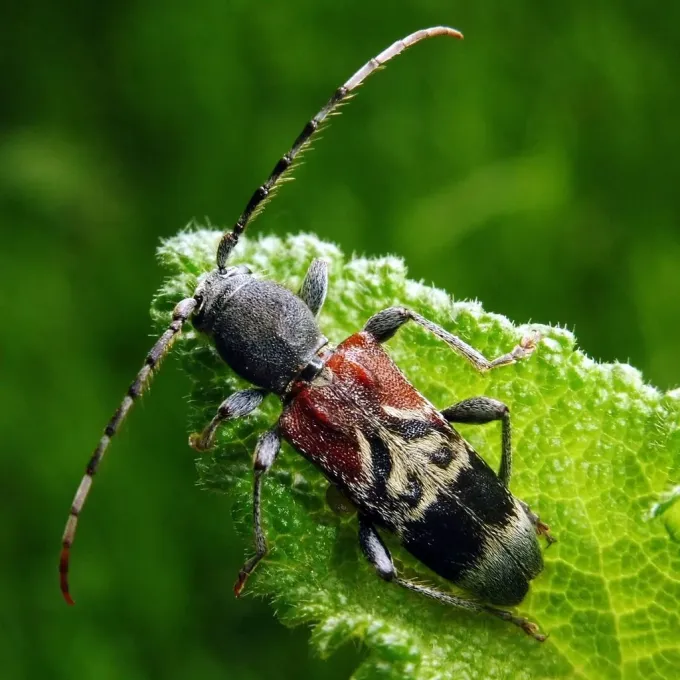
Anaglyptus mysticus is a species of longhorn beetle belonging to the family Cerambycidae. These beetles are typically 8 to 15 millimeters long, making them relatively small yet distinct in appearance.
The body is covered in dense hairs, giving it a somewhat matte texture. The wing covers are dark brown or black and feature characteristic light-colored, zigzag patterns that make the insect easily identifiable in the field.
The larvae are typically legless, cream-colored, and have strong mandibles adapted for boring into wood. They spend their entire developmental phase hidden inside the host tree, making them difficult to detect early.
Adult beetles are often observed on flowers during the late spring and early summer, feeding on pollen. While adults do not damage wood directly, their presence is a clear indicator that the beetle has established a cycle in the vicinity.
Recognizing the adult form is crucial for garden management, as it serves as a warning to perform a thorough inspection of tree health to prevent further infestation.
What it damages
The primary damage is caused by the larvae, which bore into the wood of deciduous trees and shrubs. They create galleries that disrupt the flow of sap and nutrients, weakening the structural integrity of the plant.
The pest typically targets weakened, dying, or physically damaged trees. Species like hazel, oak, and various fruit-bearing trees in the Rosaceae family are frequent hosts for this beetle.
In cases of heavy infestation, larvae can cause premature wilting of branches, significantly reducing the vigor of the tree and, eventually, leading to the death of affected limbs or the entire tree.
The galleries excavated by the larvae also serve as entry points for secondary infections, including wood-decaying fungi, which can accelerate the degradation of the tree trunk.
In orchards and ornamental gardens, the impact of Anaglyptus mysticus includes reduced yield and aesthetic decline, making it a pest of significant concern for tree maintenance.
When it appears
The flight period for adult Anaglyptus mysticus usually occurs from late spring to early summer, specifically during May and June, depending on local climate conditions.
After mating, females lay eggs into the crevices of the bark or into mechanical wounds on the tree. Larvae then emerge and begin boring into the inner bark and sapwood.
The larval stage is the most prolonged part of the life cycle, spanning one to several years as they feed and grow within the wood before reaching maturity and pupating.
Monitoring for adults during their active season is a vital part of integrated pest management, allowing for timely application of preventive measures.
Temperature plays a major role in the beetle's development, with warmer conditions often accelerating the life cycle and increasing the risk of population outbreaks.
Signs of infestation
The most noticeable sign of an infestation is the presence of small, oval or round exit holes on the surface of the bark, created by emerging adults.
Frass, which resembles fine sawdust or wood shavings, often accumulates at the base of the tree or within bark cracks, indicating active tunneling by larvae inside the trunk.
Trees may exhibit symptoms of stress, such as yellowing leaves, slowed growth, or the progressive death of branches in the upper canopy, even when sufficient water is available.
Upon closer inspection, the bark over larval galleries may feel soft or hollow, and the underlying wood may show signs of decay due to the disruption of vascular tissues.
- Branch dieback and wilting
- Small circular exit holes in the bark
- Accumulation of wood shavings (frass)
- Unexplained decline in overall tree vigor
Control measures
The most effective strategy against Anaglyptus mysticus is to maintain optimal tree health, as strong trees are naturally more resistant to wood-boring attacks.
Regular sanitation pruning is essential. Removing dead, diseased, or damaged branches eliminates potential breeding sites and reduces the beetle population on the property.
Mechanical removal of larvae-infested bark areas followed by wound dressing with appropriate sealants can help prevent secondary fungal infections and promote healing.
Systemic insecticides may be applied as a preventive measure during the peak flight season to discourage females from laying eggs on the bark of valuable trees.
Keeping the garden clean and removing fallen wood debris helps prevent the buildup of pest populations, ensuring a more resilient environment for healthy tree growth.
Taxonomy
- Latin name
- Anaglyptus mysticus
- Order
- Coleoptera (beetles)
- Family
- Cerambycidae
- EPPO code
- ANALMS
Discussion
No discussions yet — be the first.