
Anaglyptus arabicus
Anaglyptus arabicus
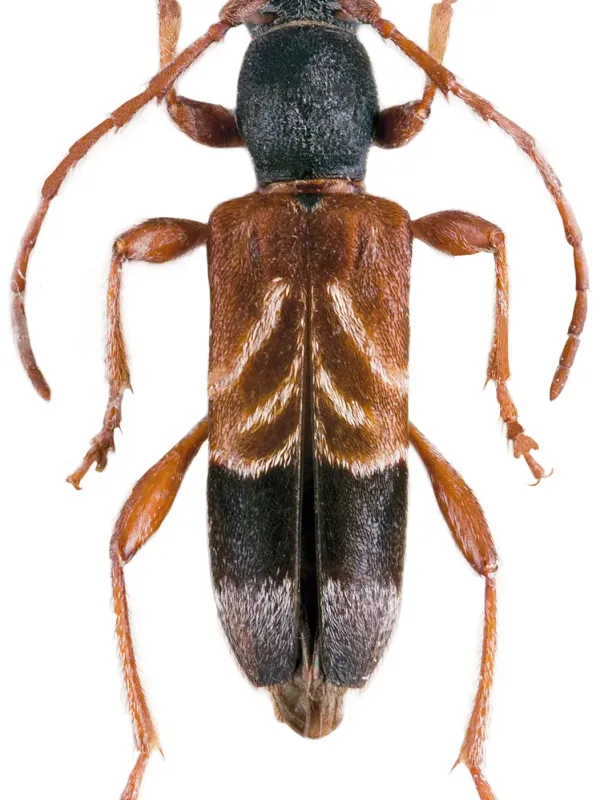
Description
How to identify
Anaglyptus arabicus belongs to the family Cerambycidae, commonly known as longhorn beetles. This species is a wood-boring insect that spends the majority of its life cycle hidden within the tissues of its host plant, making it a challenging pest for orchard management.
The adult beetle is characterized by a specific body shape and distinct patterns on the elytra (wing covers). These markings often resemble structural details of the bark, providing excellent camouflage while the beetle is resting on tree trunks or branches during the summer months.
The life cycle begins with eggs laid in bark crevices or wounds. Once hatched, the larvae feed on the inner bark, cambium, and xylem. Their development typically takes one or more years, depending on the environmental conditions and the quality of the host tree’s wood.
Adults emerge through characteristic round holes in the bark, which serve as a primary indicator of their presence. During the emergence period, which often coincides with the flowering season of host plants, beetles seek mates to initiate the next generation.
Professional monitoring involves the use of visual inspections of tree stems for exit holes and frass deposits. Additionally, pheromone traps can be deployed to estimate the population density and determine the optimal timing for protective interventions.
What it damages
Anaglyptus arabicus primarily attacks various broad-leaved trees, showing a particular preference for stressed or weakened specimens. It is frequently observed in fruit orchards, especially affecting stone fruits and nut-bearing species, as well as ornamental park trees.
The damage is caused primarily by the larvae, which tunnel through the bark and wood. These tunnels interrupt the plant's vascular system, preventing the transport of water and nutrients. This structural damage leads to the gradual decline of branches and potentially the death of the entire tree.
The presence of larval tunnels significantly compromises the tree's health, creating entry points for secondary infections. Pathogenic fungi and bacteria often exploit these tunnels, leading to wood rot and further weakening the tree's structural integrity.
In mature orchards, significant infestation leads to reduced fruit production and overall tree longevity. Furthermore, affected trees are more susceptible to wind breakage due to the hollowed-out nature of the main branches and stems caused by the larvae.
The economic impact of this pest includes both the loss of yield and the costs associated with the removal and replacement of infested trees. Protecting young and healthy trees is therefore critical for maintaining the sustainability and profitability of the orchard.
Control measures
Effective management begins with strict sanitation practices. Regularly pruning and destroying dead, dying, or infested branches before the beetles emerge is the most successful method to reduce the population within an orchard or plantation.
Maintaining tree vigor through proper irrigation, fertilization, and site management is crucial. Vigorous trees often exhibit natural defenses, such as increased sap flow, which can effectively repel or kill young larvae attempting to bore into the wood.
Chemical control measures should focus on the adult stage. Applying systemic insecticides during the peak flight period can prevent female beetles from laying eggs. Timing is critical, as treatments applied after the eggs have hatched are generally ineffective.
Biological control methods, such as encouraging local insectivorous bird populations, can help regulate the beetle population. Providing nesting boxes and maintaining a diverse landscape around the orchard supports these natural predators.
A successful integrated pest management (IPM) program relies on the combination of these strategies. Continuous monitoring, combined with a proactive approach to sanitation and plant health, remains the best defense against the long-term impact of Anaglyptus arabicus.
Taxonomy
- Latin name
- Anaglyptus arabicus
- Order
- Coleoptera (beetles)
- Family
- Cerambycidae
- EPPO code
- ANALAR
Discussion
No discussions yet — be the first.