
Anaglyptus
Anaglyptus
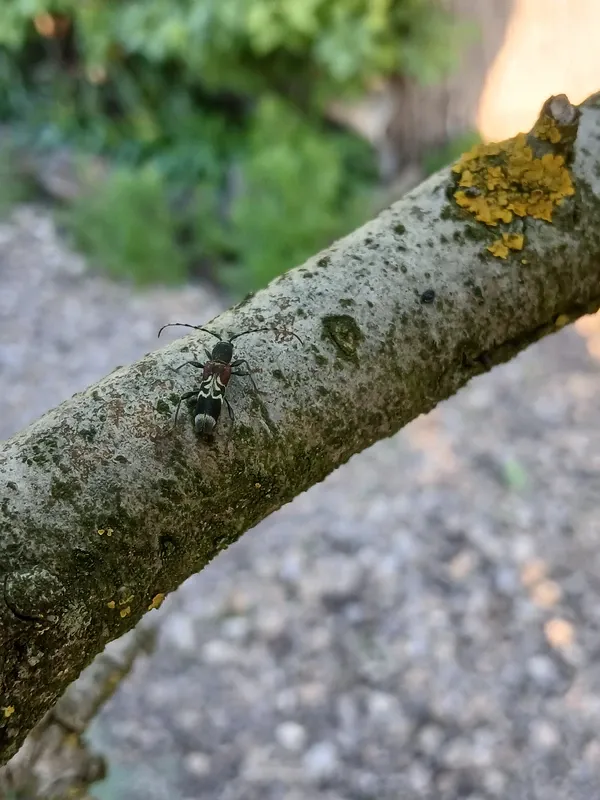
Description
How to identify
Anaglyptus is a genus of longhorn beetles belonging to the family Cerambycidae. These beetles typically measure between 8 and 15 mm in length and possess a dark body adorned with distinct light-colored patterns, often consisting of bands or spots covered in fine hairs.
As wood-boring insects, these beetles spend a significant portion of their life cycle hidden within the tissues of their host plants. Adult beetles often exhibit mimicry, appearing similar to certain ant species, which helps them avoid some predators.
The larvae are classic wood-borers, characterized by a cylindrical, legless, and creamy-white body. They possess highly developed mandibles, which are essential for tunneling through solid wood and plant fibers.
Identification at the species level within this genus requires a detailed examination of the pronotum, elytra patterns, and other morphological features. These beetles are generally active during the day and can be spotted on bark or flowers during the growing season.
While these insects serve a functional role in natural forest ecosystems, their presence in cultivated orchards is usually considered harmful, as they target trees already under stress or weakened by environmental factors.
##damage##The primary hosts for Anaglyptus species are deciduous trees, specifically those belonging to the Rosaceae family. This includes common fruit trees such as apple, pear, plum, cherry, and apricot, as well as wild species like hawthorn.
The pest typically selects trees that have been compromised by frost cracks, sunburn, or mechanical damage. Healthy, vigorous trees with optimal sap flow are generally more resilient to infestation by these wood-borers.
Larval feeding occurs primarily in the bark, phloem, and sapwood. By excavating complex galleries, the larvae disrupt the tree's nutrient transport systems, which can lead to the localized dieback of branches or the eventual death of the entire tree.
Beyond fruit trees, some species can infest timber in forest settings, affecting oak and hornbeam trees. This feeding activity reduces the structural integrity and market value of the wood.
The tunnels created by the larvae also serve as entry points for secondary pathogens, such as fungi and bacteria. These infections often exacerbate the damage, leading to internal wood decay and significantly shortening the lifespan of the host tree.
##season##The life cycle of the Anaglyptus beetle is usually extended over several years, influenced by regional climate conditions and the host tree's physiological state. Adult emergence generally occurs during the spring and early summer months.
This timing correlates with the flowering period of various plants, providing adult beetles with access to pollen and nectar, which are essential for their nutritional needs and reproductive success.
Once mating is complete, females deposit their eggs into bark crevices or damaged sections of the trunk and branches. Upon hatching, the larvae immediately begin boring into the bark to start their development.
Pupation takes place within the wood inside a specialized chamber. After the final transformation, the young adult beetle chews an exit hole through the bark, marking the completion of the life cycle and the beginning of a new generation.
Temperature fluctuations play a critical role in larval growth rates. Warmer seasons generally accelerate the developmental process, potentially leading to increased population densities in susceptible orchard areas.
##signs##A primary indicator of infestation is the presence of small, circular or oval holes in the bark, typically 2 to 4 mm in diameter. These are the exit holes created by newly emerged adult beetles.
Frass, which consists of fine wood shavings and larval waste, often accumulates on the bark surface or at the base of the tree. This is a definitive sign that active larval feeding is occurring within the tree's vascular system.
Infested branches often show signs of premature wilting or decline. Leaves on these branches may turn yellow and wither well before the normal onset of autumn, making affected sections clearly visible against healthy foliage.
Peeling back a portion of the bark on an infested tree reveals complex, winding tunnels packed with frass. In advanced stages of infestation, the bark may become loose or brittle and detach easily from the trunk.
Increased activity by insectivorous birds, such as woodpeckers, on the trunks of fruit trees can also be an indirect sign. Birds often locate and target larvae hidden deep within the wood, signaling an underlying infestation.
##control##The most effective strategy for managing Anaglyptus is preventative care, focusing on maintaining tree vigor. Regular pruning, treating mechanical wounds with orchard paint, and whitewashing trunks can significantly reduce infestation risks.
Promptly removing and destroying severely infested branches or entire trees is essential to prevent the spread of the beetle to healthy parts of the orchard. All infected wood should be burned or disposed of far from the orchard.
In cases where infestations are high, targeted applications of systemic or contact insecticides during the adult emergence period can help suppress beetle populations. These treatments should be conducted in accordance with local regulations.
Monitoring using pheromone-based or sticky traps can assist growers in timing their interventions. Identifying the onset of beetle flight allows for precise, environmentally responsible control measures.
Cultivating a healthy environment—including proper irrigation, balanced fertilization, and avoiding mechanical damage during maintenance—keeps trees resilient and less attractive to wood-boring pests.
Taxonomy
- Latin name
- Anaglyptus
- Order
- Coleoptera (beetles)
- Family
- Cerambycidae
- EPPO code
- ANALSP
Discussion
No discussions yet — be the first.