
Anacamptodes fragilaria
Anacamptodes fragilaria
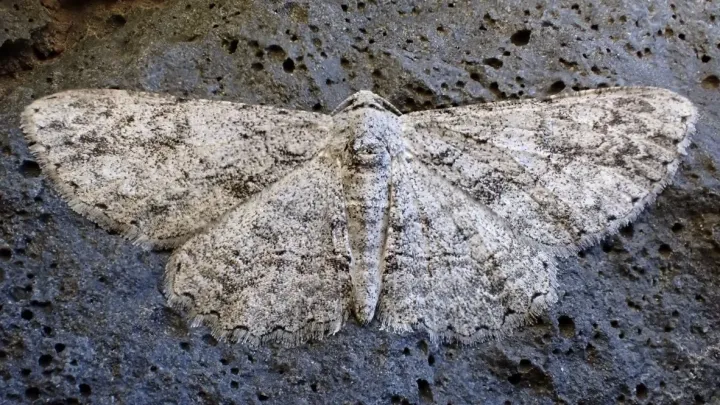
Description
How to identify
Anacamptodes fragilaria is a member of the Geometridae family, order Lepidoptera. The adults are small moths with wingspans and color patterns that provide excellent camouflage against tree bark and dry vegetation, making them difficult to detect.
The larvae, known as loopers, are characterized by their unique movement, which involves arching their bodies to bring their hind legs closer to their thoracic legs. This distinct locomotion is a key identifying trait of the species.
The life cycle undergoes a complete metamorphosis, consisting of egg, larva (caterpillar), pupa, and adult stages. Depending on environmental temperature and regional climate, the moth can complete multiple generations per season.
Pupation typically occurs in the soil or within plant debris, where the pupae remain dormant during adverse conditions, such as winter, providing them with a significant survival advantage.
The identification of the adults is based on the specific wing venation and color patterns, which are indicative of the Anacamptodes genus, requiring professional entomological inspection for precise classification.
What it damages
This pest is highly polyphagous, known to attack a wide variety of agricultural crops, including legumes and solanaceous vegetables. It poses a significant threat to commercial vegetable farms.
Caterpillars feed primarily on leaves, causing irregular holes and eventually skeletalizing the foliage. Severe infestations can lead to complete defoliation, severely inhibiting the plant's growth process.
The resulting damage reduces the photosynthetic area of the plant, which leads to stunted development, lower yield, and decreased overall market quality of the harvestable produce.
In addition to foliage, the larvae may feed on flower buds and young fruit, directly reducing the potential output and causing economic losses for the grower.
Open wounds left by the feeding larvae often serve as entry points for secondary pathogens, such as fungi and bacteria, which can cause further degradation of the plant's health.
Signs of infestation
The initial signs of an infestation include the appearance of irregular holes on leaf surfaces. As the larvae grow, the frequency and size of these holes increase, signaling higher pest density.
The presence of frass (larval droppings) on the leaves or the soil surface beneath the plants is a clear indicator that the caterpillars are active and feeding in the canopy.
Visual detection is possible by inspecting plants during early morning or evening hours, as the loopers often mimic small twigs by stiffening their bodies against the stems during the day.
Distorted leaves and the presence of fine silk threads, used by the larvae to secure themselves or manipulate foliage, are common symptoms of an Anacamptodes fragilaria presence.
Wilting of the terminal shoots, even when soil moisture is adequate, may indicate that the caterpillars are targeting the most tender parts of the plant, disrupting nutrient transport.
Control measures
Effective control strategies start with cultural practices such as deep plowing in late autumn to disrupt the life cycle and destroy the pupae overwintering in the soil.
Biological control using Bacillus thuringiensis sprays is highly effective against early-instar larvae while minimizing the impact on non-target beneficial insect populations.
When pest populations exceed economic thresholds, systemic insecticides can be applied; however, it is critical to rotate active ingredients to prevent the development of resistance.
Monitoring using pheromone or light traps is essential for timely decision-making, allowing growers to initiate treatment protocols before the larval population causes significant damage.
Maintaining crop rotation and managing weeds within and surrounding the fields significantly reduces the habitat suitability for Anacamptodes fragilaria, lowering the risk of recurring infestations.
Taxonomy
- Latin name
- Anacamptodes fragilaria
- Order
- Lepidoptera (butterflies)
- Family
- Geometridae
- EPPO code
- ANCMFR
Discussion
No discussions yet — be the first.