
Northern winter moth
Alsophila aceraria
Description
How to identify
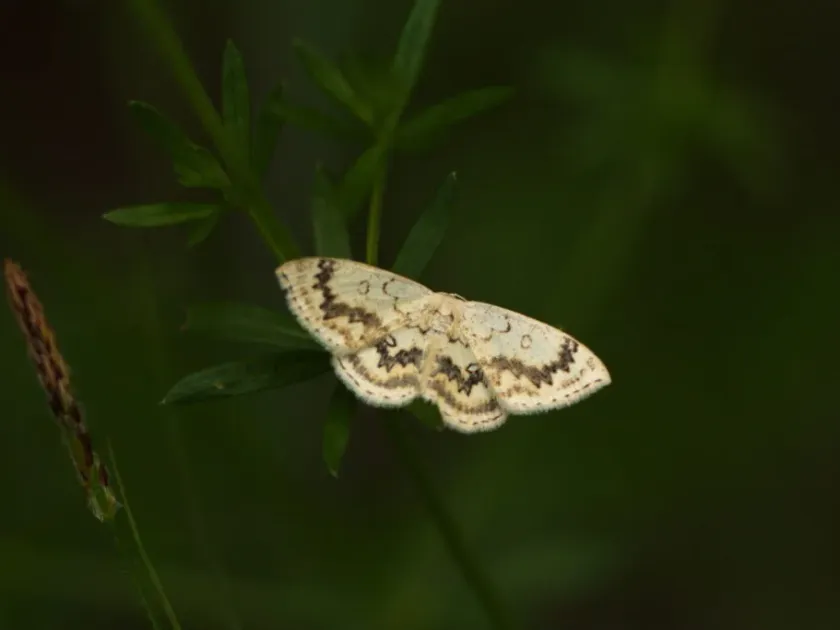
The Northern winter moth (Alsophila aceraria) is a species of moth in the family Geometridae. A key characteristic of this species is the extreme sexual dimorphism: males possess wings, while females are wingless and resemble spiders.
Adult males have a wingspan of approximately 30–35 mm, with brownish-gray coloration and distinct transverse lines on the wings. Wingless females are stout, hair-covered, and are typically found crawling up tree trunks during the late autumn mating season.
The larvae, or caterpillars, exhibit the characteristic looping movement of the Geometridae family, as they possess only two pairs of prolegs. Their bodies are slender, often greenish or yellowish with longitudinal dorsal stripes for camouflage.
Pupation occurs in the soil within a tough, silk-lined cocoon. The pupal stage is the means by which the species survives the heat of summer, residing deep in the topsoil under the canopy of the host tree.
The life cycle includes the egg, larva, pupa, and adult stages. The moths emerge in late autumn, and the next generation of caterpillars hatches in the following spring, making them synchronized with the bud-burst of host trees.
What it damages
This pest primarily attacks deciduous trees, with a strong preference for maples, oaks, and lindens. In horticultural settings, they can also cause significant damage to pome fruit trees like apples and pears.
Caterpillars feed on developing buds, young leaves, and flower ovaries. This defoliation reduces the photosynthetic capacity of the tree, leading to stunted growth and reduced yields in fruit-bearing varieties.
Severe infestations can result in total defoliation of the canopy. Such stress weakens the tree, making it susceptible to secondary infections, fungal diseases, and environmental stressors like drought.
In forestry, the Northern winter moth is considered a significant pest due to its impact on annual wood growth. Repeated years of infestation can lead to the dieback of branches and tree decline.
In urban landscapes, maples and other amenity trees suffer both biological stress and aesthetic damage. The skeletonized or chewed leaves negatively impact the visual value of public parks and residential gardens.
When it appears
Adult moths emerge during late autumn, typically in October or November. This late-season emergence is a distinct behavioral trait that separates this species from many other leaf-eating insects.
After mating, the wingless females lay eggs in crevices of the tree bark or on young twigs. These eggs serve as the overwintering stage, enduring the winter cold until spring temperatures trigger hatching.
The hatching of larvae is perfectly timed with the spring bud-burst of deciduous trees. This synchronization provides the newly emerged caterpillars with immediate access to a high-quality nutrient source.
The larval feeding period lasts from May through June. During this phase, the caterpillars grow rapidly, undergoing several instars before they descend to the ground to pupate in the soil.
Summer is spent in the pupal stage within the soil. While the tree canopy is in full leaf, the moth is dormant beneath the soil, waiting for the cooling temperatures of autumn to signal the emergence of the next adult generation.
Signs of infestation
Early spring infestation is characterized by damaged buds that fail to open properly or appear hollowed out. As the larvae mature, the presence of irregular holes in leaf margins becomes more noticeable.
The use of silk threads to tie leaves together is a common sign of infestation. Larvae often create these leaf shelters to protect themselves from predators and harsh weather conditions.
During late autumn, observant gardeners may spot the wingless females crawling up tree trunks. This is a clear indicator that the moths are preparing to lay eggs for the upcoming spring season.
Frass (larval droppings) resembling fine dark sand on leaves or garden structures underneath the tree canopy indicates active feeding in the branches above.
Larvae hanging from silk threads during windy weather or when branches are disturbed are a visible sign of a large population. This is a common defense mechanism and a way to disperse between tree branches.
Control measures
Installing sticky bands (glue traps) around tree trunks in early autumn is highly effective. Since females are wingless, they must crawl up the trunk to lay eggs, and the sticky barrier traps them before they can reach the canopy.
Good orchard hygiene, such as scraping away loose bark in winter, can eliminate egg-laying sites and reduce the overwintering population density.
Biological control using Bacillus thuringiensis (Bt) is recommended during the larval feeding stage. This bacterial agent is highly specific to caterpillars and poses little risk to beneficial insects or the environment.
In cases of heavy infestation, systemic insecticides may be necessary. These should be applied before the caterpillars reach their later, more resistant instars and should be timed to minimize impact on pollinators.
Promoting a diverse garden ecosystem that supports insectivorous birds is a sustainable management strategy. Birds are natural predators of moth larvae and can significantly contribute to keeping population levels low.
Taxonomy
- Latin name
- Alsophila aceraria
- Order
- Lepidoptera (butterflies)
- Family
- Geometridae
- EPPO code
- ALSOQU
Discussion
No discussions yet — be the first.