
Winter moth
Alsophila
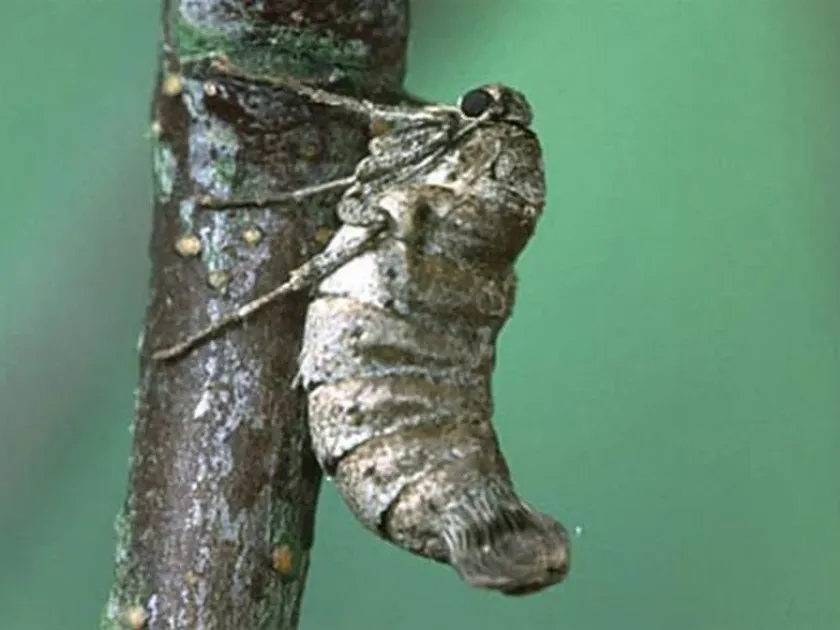
Description
How to identify
The winter moth (Alsophila) is a member of the Geometridae family, characterized by a distinct life cycle and significant sexual dimorphism.
Males are winged moths with an impressive wingspan, while females are flightless, possessing only vestigial wings, which forces them to crawl up tree trunks to mate and lay eggs.
The larvae, known as inchworms, have a unique method of locomotion, moving by looping their bodies, which is a diagnostic feature of this family.
The larvae are typically pale green with three white longitudinal stripes, allowing them to blend into the foliage of host trees effectively.
These insects are well-adapted to cooler climates, with their reproductive activity occurring in the late autumn when other insect activity has ceased.
What it damages
Winter moths are considered serious pests of deciduous fruit trees, including apples, pears, cherries, and plums, as well as various forest tree species.
The caterpillars emerge in spring and feed voraciously on developing buds, blossoms, and young leaves, causing significant structural and physiological damage.
Heavy infestations can lead to complete defoliation of trees, which severely impacts the tree's ability to produce energy through photosynthesis.
Damage to fruit buds reduces the potential harvest, as the caterpillars often consume the reproductive parts of the tree before they can develop.
Young saplings in nurseries are particularly vulnerable to attack, as repeated defoliation can stunt their growth and increase mortality rates.
When it appears
Adult moths emerge from the soil in late autumn, typically starting in October, and remain active until the onset of hard frost.
After mating, females lay their eggs in crevices in the bark or near buds, where they remain in diapause throughout the harsh winter months.
The eggs hatch in early spring, coinciding with the bud-burst stage of the host tree, providing the larvae with immediate access to tender, nutritious foliage.
Larval development takes approximately one to two months, after which the caterpillars descend to the soil to pupate in underground chambers.
They remain in the pupal stage throughout the summer, effectively avoiding heat and desiccation by staying buried in the soil until the next autumn.
Signs of infestation
Early signs of an infestation include the presence of flightless females crawling on the trunks of trees during autumn evenings.
In spring, observing tightly webbed or rolled leaves is a primary indicator of larval presence, as the caterpillars use silk to protect themselves while feeding.
The presence of larval frass (droppings) on the foliage and leaves with irregular, ragged edges are clear indicators of active feeding in the canopy.
Buds that fail to open or show signs of brown, necrotic tissue indicate damage caused by young larvae at the onset of the growing season.
Silken threads hanging from branches are also a common sign, used by caterpillars to drop to the ground when disturbed or to disperse by wind.
Control measures
The use of physical barrier bands coated with sticky adhesive around tree trunks is a highly effective autumn measure to catch flightless females.
Tilling the soil under the canopy in late spring or summer can disrupt the pupation process and reduce the population for the following year.
Chemical control should be targeted during the larval stage, particularly when they are young and feeding on the surface of buds or leaves.
- Application of Bacillus thuringiensis based bio-insecticides for environmentally friendly management.
- Utilization of pheromone traps to monitor adult male population density and determine spray timing.
- Targeted use of contact insecticides during peak hatching periods if thresholds are exceeded.
An integrated pest management approach, combining physical monitoring and timely intervention, is essential to minimize damage in commercial orchards.
Taxonomy
- Latin name
- Alsophila
- Order
- Lepidoptera (butterflies)
- Family
- Geometridae
- EPPO code
- ALSOSP
Discussion
No discussions yet — be the first.