
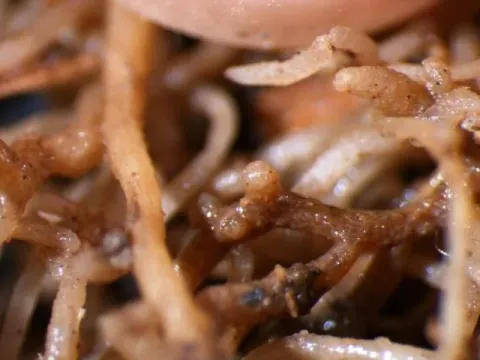
Cereal cyst nematode
Heterodera filipjevi
The cereal cyst nematode (Heterodera filipjevi) is a significant soil-borne plant-parasitic nematode that belongs to the order Tylenchida. It is a specialized pathogen that affects various small grain cereals globally.
What the section contains
Cereal cyst nematode
The life cycle begins with the hatching of second-stage juveniles from cysts found in the soil. These juveniles migrate towards host roots, penetrate the root cortex, and initiate feeding sites known as syncytia.
Females eventually rupture the root epidermis, becoming sessile and producing eggs within their bodies. After their death, the body wall hardens into a protective, resilient cyst, which can persist in the soil for several years.
Accurate identification is critical as H. filipjevi shares similar morphological characteristics with other species of cereal nematodes. Molecular diagnostics or detailed perineal pattern analysis is often required for precise classification.
Environmental conditions, particularly soil temperature and moisture levels, dictate the seasonal activity of these nematodes, with population spikes typically occurring during the cool and moist conditions of the early spring growing season.
This nematode primarily targets wheat, barley, and oats. In addition to primary cereal crops, it can survive on various wild grass species, which serve as natural reservoirs for the pest when cereals are not planted.
The damage to the root system is profound, as the nematode disrupts the plant's ability to uptake water and nutrients. This interference leads to a severe reduction in biomass and grain yield potential.
By causing physiological stress, the nematode significantly weakens the plant, making it more susceptible to drought, nutritional deficiencies, and secondary infections by soil-borne fungal pathogens.
The economic impact of H. filipjevi is characterized by patches of stunted, chlorotic plants that fail to thrive. In severe cases, the entire crop may exhibit delayed maturity and diminished grain quality.
Reduced root development and lack of nutrient uptake mean that even with adequate fertilization, affected fields fail to reach their full productive capacity, resulting in significant revenue losses for producers.
The most visible symptom in the field is the appearance of patchy growth patterns, where affected areas of the crop appear thinner, shorter, and less vigorous than the surrounding healthy plants.
Under close inspection, the roots of infected plants often show localized swelling and excessive branching. This stunted and deformed root appearance is a hallmark sign of heavy nematode infestation.
During the grain-filling stage, one can observe small, white, yellow, or brown cyst-like structures attached to the root surface. These are the females and the mature cysts of the parasite.
The foliage of infected plants frequently shows signs of chlorosis, which can be easily confused with nutrient deficiency symptoms, particularly nitrogen or potassium deficiency, leading to diagnostic errors.
In addition to these symptoms, plants may show a tendency to wilt rapidly during periods of high temperature, as the damaged root system cannot sustain the necessary water transport required for transpiration.
Integrated pest management remains the most effective strategy against H. filipjevi. This approach emphasizes the use of non-host crops, such as broad-leaved species, within the rotation cycle to deplete soil populations.
The use of resistant cereal cultivars is highly recommended, as it allows farmers to manage the infestation effectively while maintaining high yields even in previously contaminated soils.
Preventing the spread of cysts through contaminated machinery and agricultural tools is essential. Strict sanitation practices help ensure that the nematode is not introduced into previously uninfested regions.
Monitoring soil populations via sampling and laboratory testing is a critical proactive step. Knowing the exact population density helps farmers make informed decisions about when to apply control measures.
- Implement long-term crop rotation cycles.
- Choose resistant or tolerant seed varieties.
- Ensure equipment is thoroughly cleaned.
- Control volunteer weeds that act as hosts.