
Subplenodomus apiicola
Subplenodomus apiicola
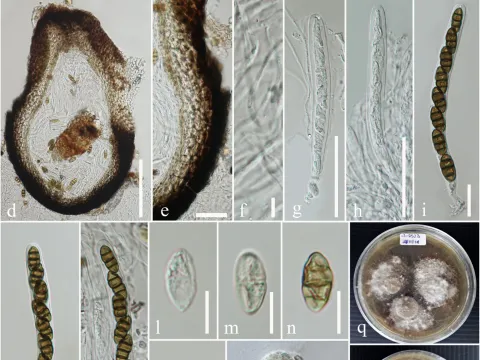
Subplenodomus apiicola is an ascomycete fungus within the Leptosphaeriaceae family. Previously associated with the Phoma genus, it has been reclassified into the Subplenodomus genus based on molecular studies.
What the section contains
Subplenodomus apiicola
This organism acts as a specialized phytopathogen, primarily targeting plants in the Brassicaceae family. It is capable of surviving for long periods in the soil and on crop debris, primarily through the formation of robust pycnidia.
The fungus is identified by the presence of pycnidia, which are small, spherical fruiting bodies embedded within the host plant's necrotic tissue. These structures house conidia, the primary spores responsible for the spread of the infection.
Dissemination usually occurs via rain splash and wind, which transport the spores from infected debris to healthy foliage. High humidity and moderate temperatures are critical environmental triggers for the germination of these spores.
As a pathogen, it is part of a broader complex of fungi that affect oilseed crops, making accurate identification essential for implementing targeted and effective management strategies on the field.
The primary hosts of this pathogen include various Brassica species, such as winter and spring oilseed rape. Weeds belonging to the Brassicaceae family can also serve as alternative hosts during off-seasons.
The infection manifests on the root neck, stems, leaves, and pods. Damage to the stem base is particularly destructive, as it disrupts the vascular system, preventing the effective transport of water and nutrients throughout the plant.
Pathogenicity leads to reduced plant vigor, increased susceptibility to other diseases, and significantly lower yields. In severe cases, the structural integrity of the plant is compromised, leading to stem breakage and lodging.
Seed quality is also severely impacted by the infection. It can result in lower oil content and poor seed germination rates. Furthermore, the pathogen can be seed-borne, facilitating the transmission of the disease to previously clean areas.
The fungus exploits mechanical injuries caused by insects or cultural practices to infiltrate plant tissue. These wounds act as entry points, significantly speeding up the colonization process and overall damage to the crop stand.
Initial symptoms are characterized by small, light-colored spots on cotyledons or lower leaves. Over time, these spots develop small black dots, which are the visible pycnidia of the fungal pathogen.
Stem infection leads to sunken necrotic lesions at the base of the plant. These lesions may expand, eventually encircling the stem and leading to tissue decay known as dry rot, which hinders normal plant development.
Affected plants often appear stunted and chlorotic compared to healthy ones. Under high moisture conditions, a sparse, fuzzy mycelial growth may be observed around the necrotic spots on the leaves or stems.
During the flowering and pod formation stages, the infection can spread to the inflorescence. Infected pods may crack prematurely, revealing shriveled or discolored seeds that are often infected with fungal hyphae.
Field diagnosis can be difficult because the symptoms often overlap with other Phoma-related diseases. Therefore, professional laboratory diagnostics are often required for definitive identification of the specific pathogen.
Crop rotation is the primary strategy for managing this pathogen. A break of at least 3 to 4 years between brassica crops is recommended to reduce the concentration of fungal spores in the soil environment.
The use of fungicide-treated seeds is crucial for protecting young seedlings from early-stage infections. Seed treatment establishes an initial protective layer that prevents the pathogen from establishing itself during early growth.
Efficient management of crop debris is vital to control. Deep plowing of stubble helps accelerate the decomposition of plant residues, thereby reducing the survival rate of the pathogen in the soil over winter.
In-season monitoring and timely application of systemic fungicides are necessary when environmental conditions favor disease development. It is advised to rotate active ingredients to prevent the development of resistant strains.
- Selection of genetically resistant crop varieties.
- Control of weed species that serve as pathogen reservoirs.
- Maintenance of proper seeding density to improve canopy airflow.