
Plant stunting
Stunting
Plant stunting is a physiological and morphological disorder caused primarily by plant viruses and phytoplasmas. These phytopathogens interfere with the plant's hormonal balance and nutrient transport systems, resulting in severely reduced development.
What the section contains
Plant stunting
Viruses are submicroscopic infectious agents, while phytoplasmas are specialized bacteria lacking cell walls. Both types of pathogens rely on vectors, such as leafhoppers, aphids, or whiteflies, to move from an infected host plant to a healthy one.
This condition affects a vast array of crops, including wheat, barley, maize, tomatoes, and various ornamental plants. The economic impact is significant as stunted plants fail to produce a harvestable yield or yield produce of low quality.
Beyond crop loss, these pathogens often lead to systemic infection within the plant population, making eradication difficult once the disease is established in the field. Infested plants also show increased susceptibility to secondary infections.
Disease incidence is closely linked to the seasonal activity of insect vectors. Spring and early summer are high-risk periods when vector populations are most active and moving into developing crop stands.
Temperature and humidity levels play a critical role in the development and spread of the pathogen. Warm conditions generally accelerate the life cycle of insect vectors, leading to faster transmission rates of viral and phytoplasma diseases.
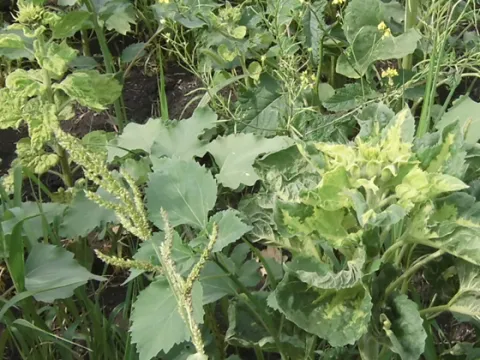
The most prominent symptom is a marked reduction in height due to shortened internodes, giving the plant a stunted or bushy appearance. Foliage may exhibit chlorosis, mosaic patterns, or distinctive reddening and purpling of leaves.
In addition to restricted vertical growth, infected plants often show poor root system development, failure to set fruit or seeds, and general signs of lack of vigor. In many species, leaves become thickened or distorted, and flowers may be underdeveloped.
Management strategies focus on vector control through the timely application of insecticides to prevent pathogen inoculation. Eliminating alternative hosts, such as wild grasses and weeds surrounding the fields, is also essential.
The use of certified virus-free planting stock is the most effective preventative measure. Farmers are advised to rotate crops, implement early planting strategies, and select cultivars known for their genetic resistance to specific viral and phytoplasma strains.